Hello everyone and welcome to another update from Quorn. It’s been an action packed weekend, so we’ll jump right on in there.
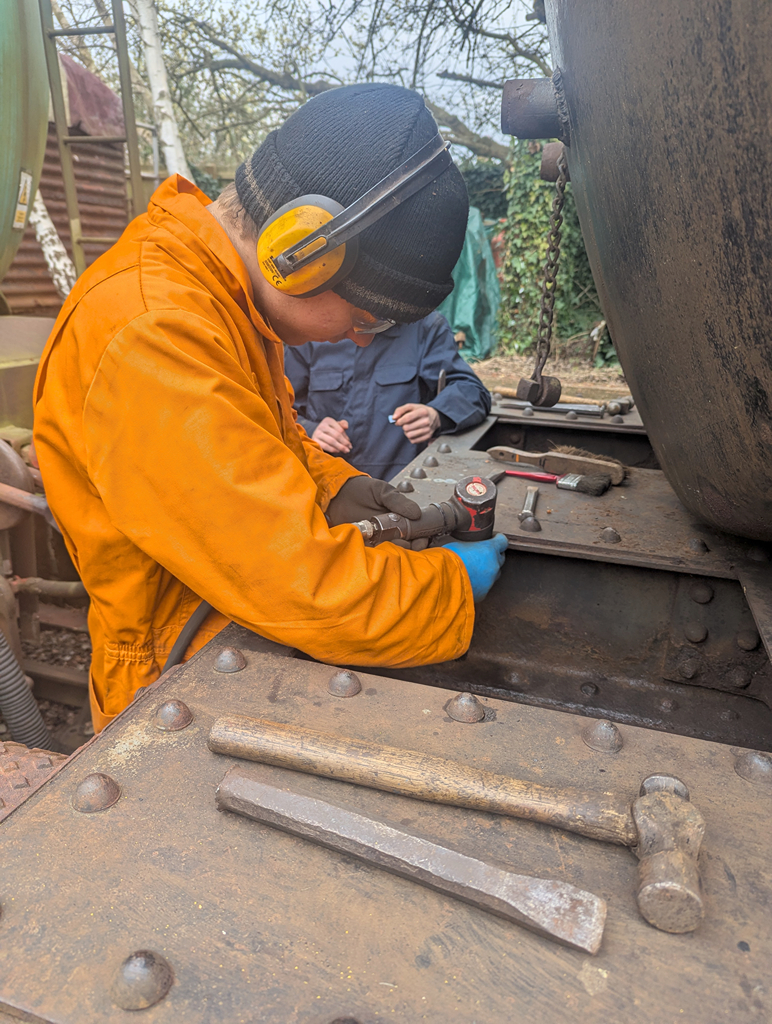
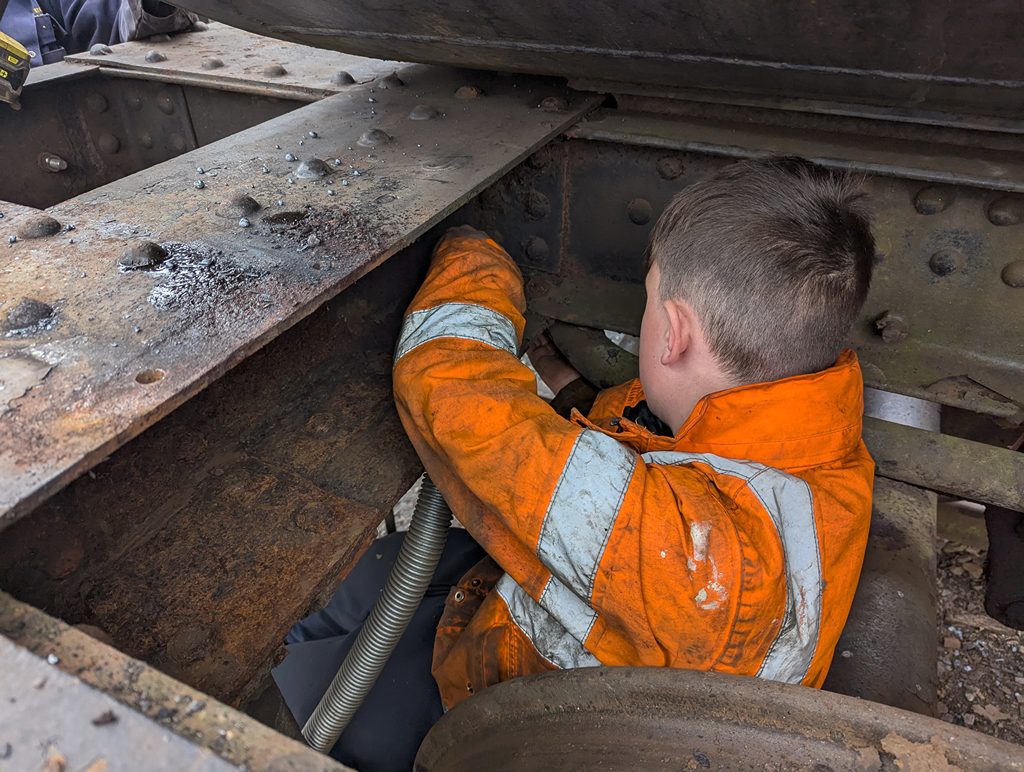
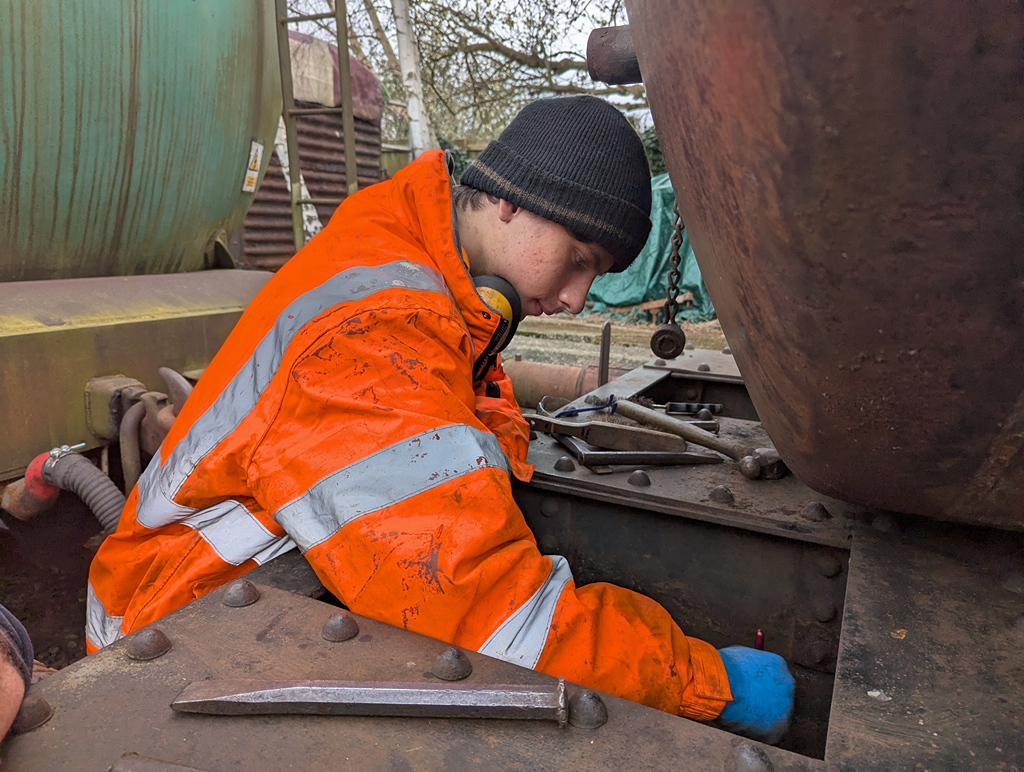
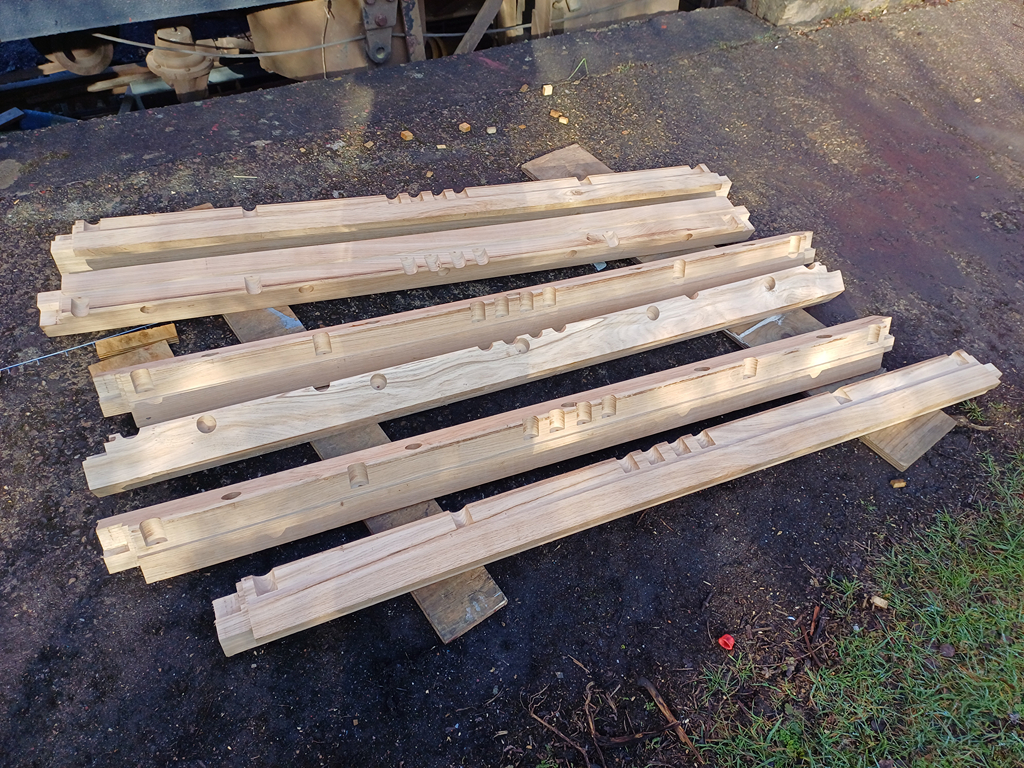
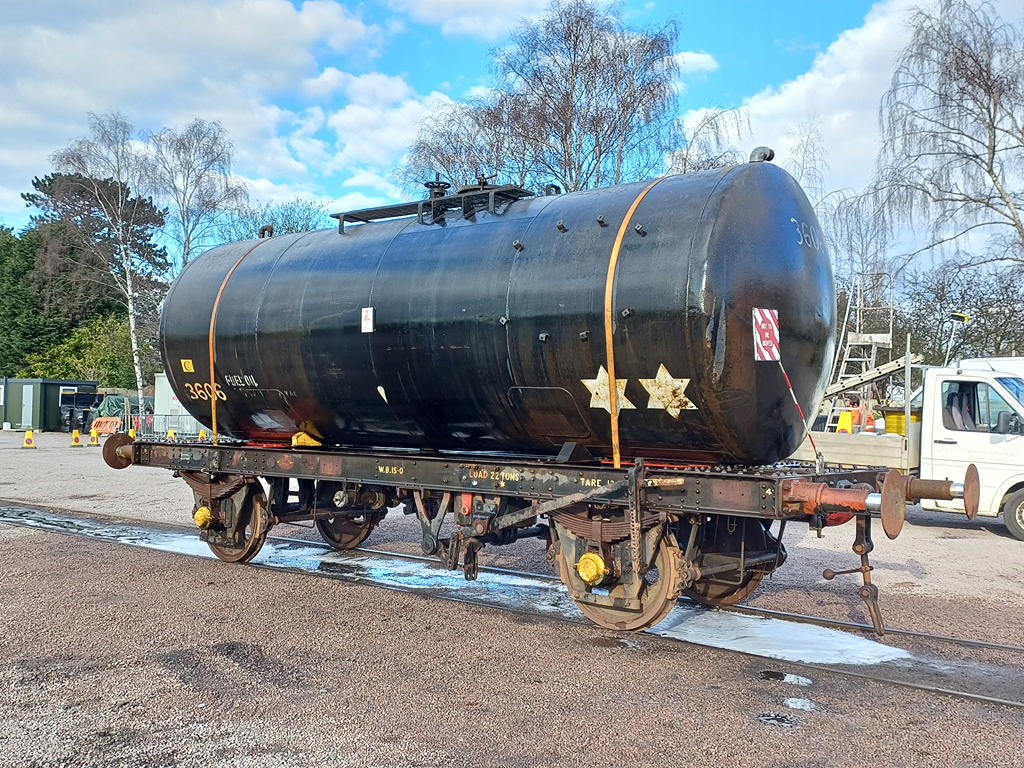
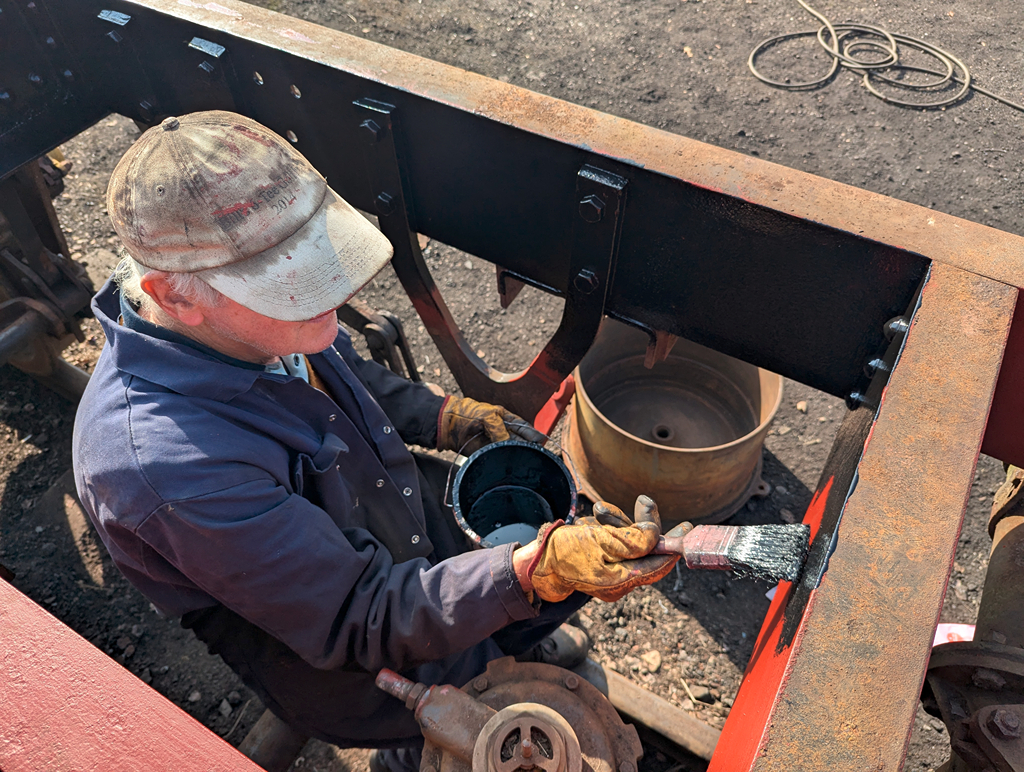
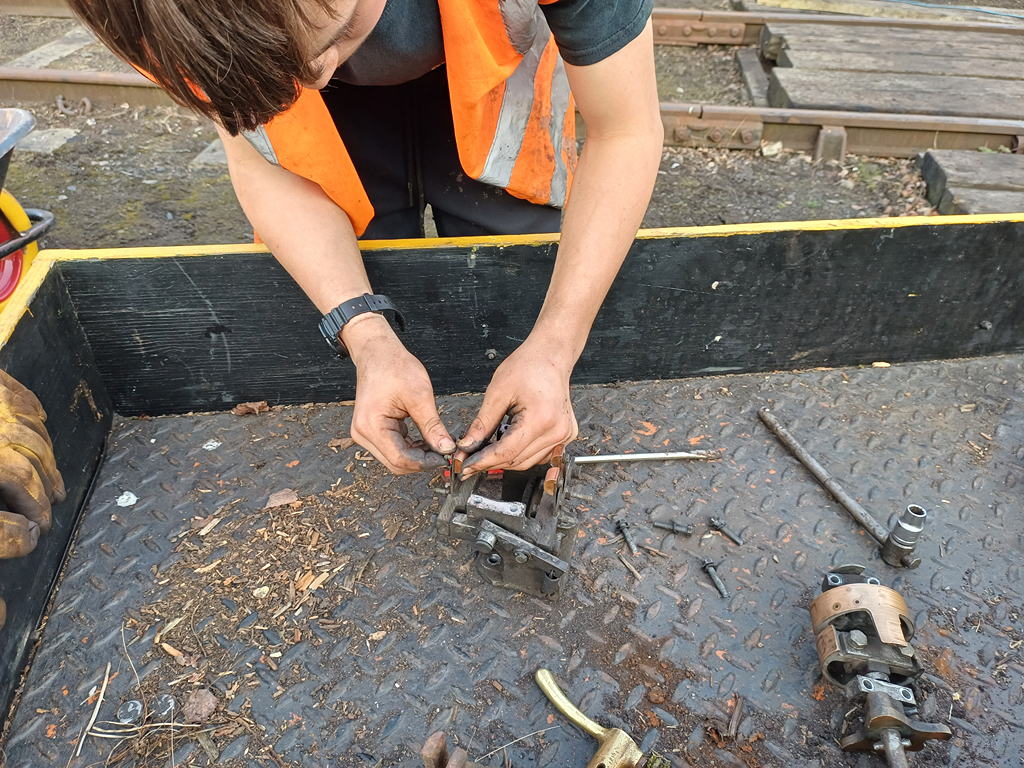
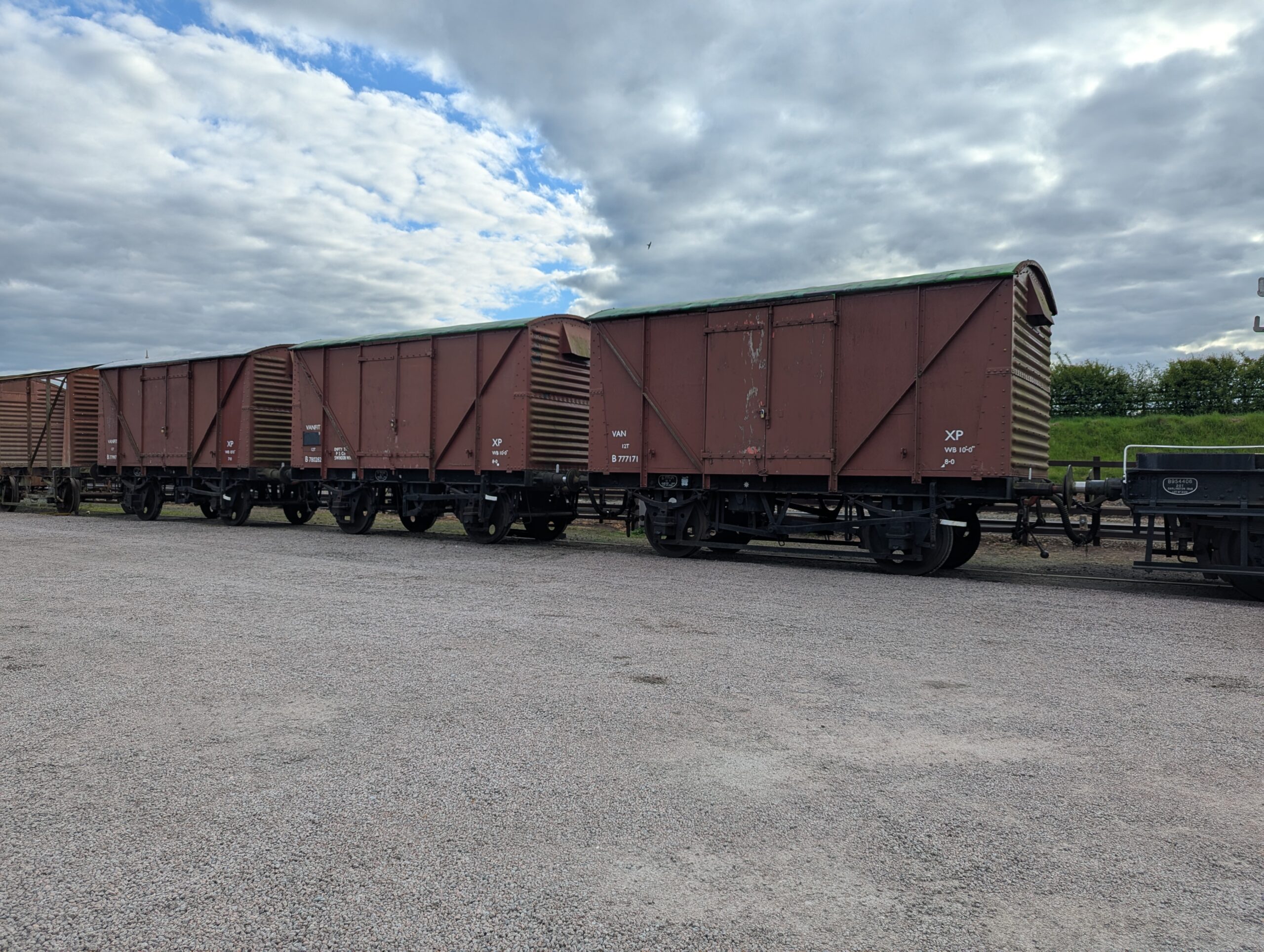
Saturday started with Charlie applying a gloss coat to the last splash guard for 3621. this was left basking in the sun while we looked at B779978 and B780282 to replace their door top frames, now that they were back in the yard. One of the machined pieces of wood was taken up and the hole positions marked ready for drilling along with the recess for the locking bar. Part of our roof edge was removed between the doors to allow the new ‘noggin’ to fit properly. The pieces of wood were then taken up to the GUV for drilling on the pillar drill by Ernie with Harry and new recruit Jamie supporting, and I machined the recess with the morticer.


After the pieces of wood were machined, each of them got a coat of primer, undercoat and gloss to help them last for as long as possible. I am hopeful that they will out live maybe even me! Nick set up a new outside workbench on the end of the Fish van, which came in useful for priming the pieces of wood.


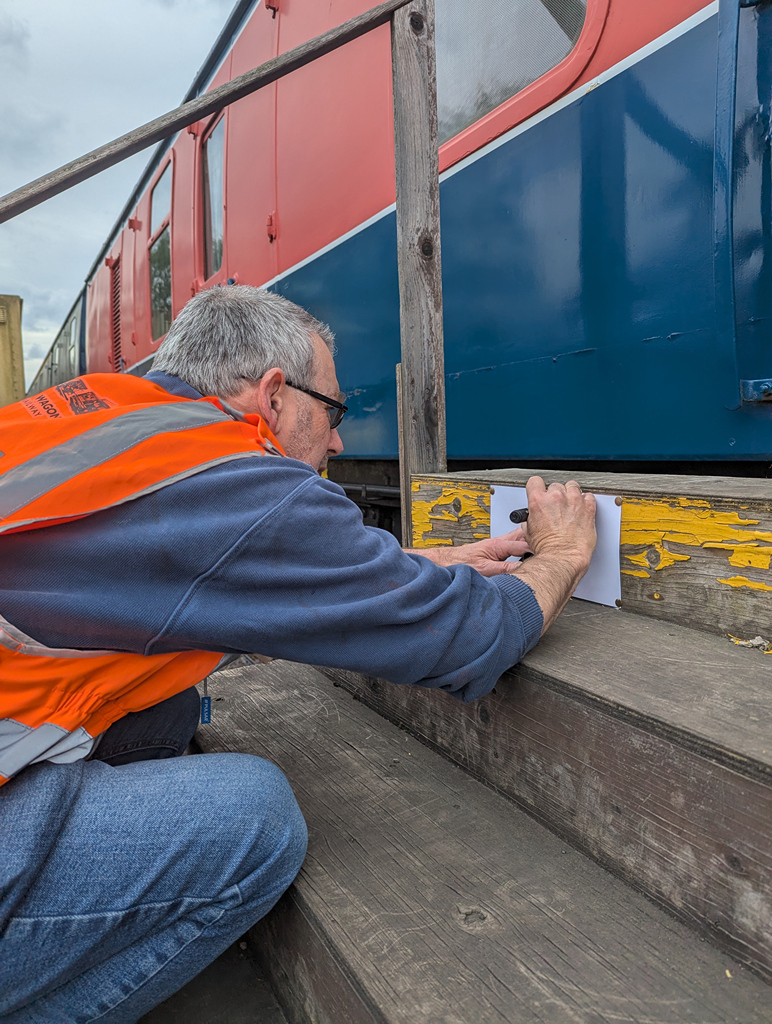
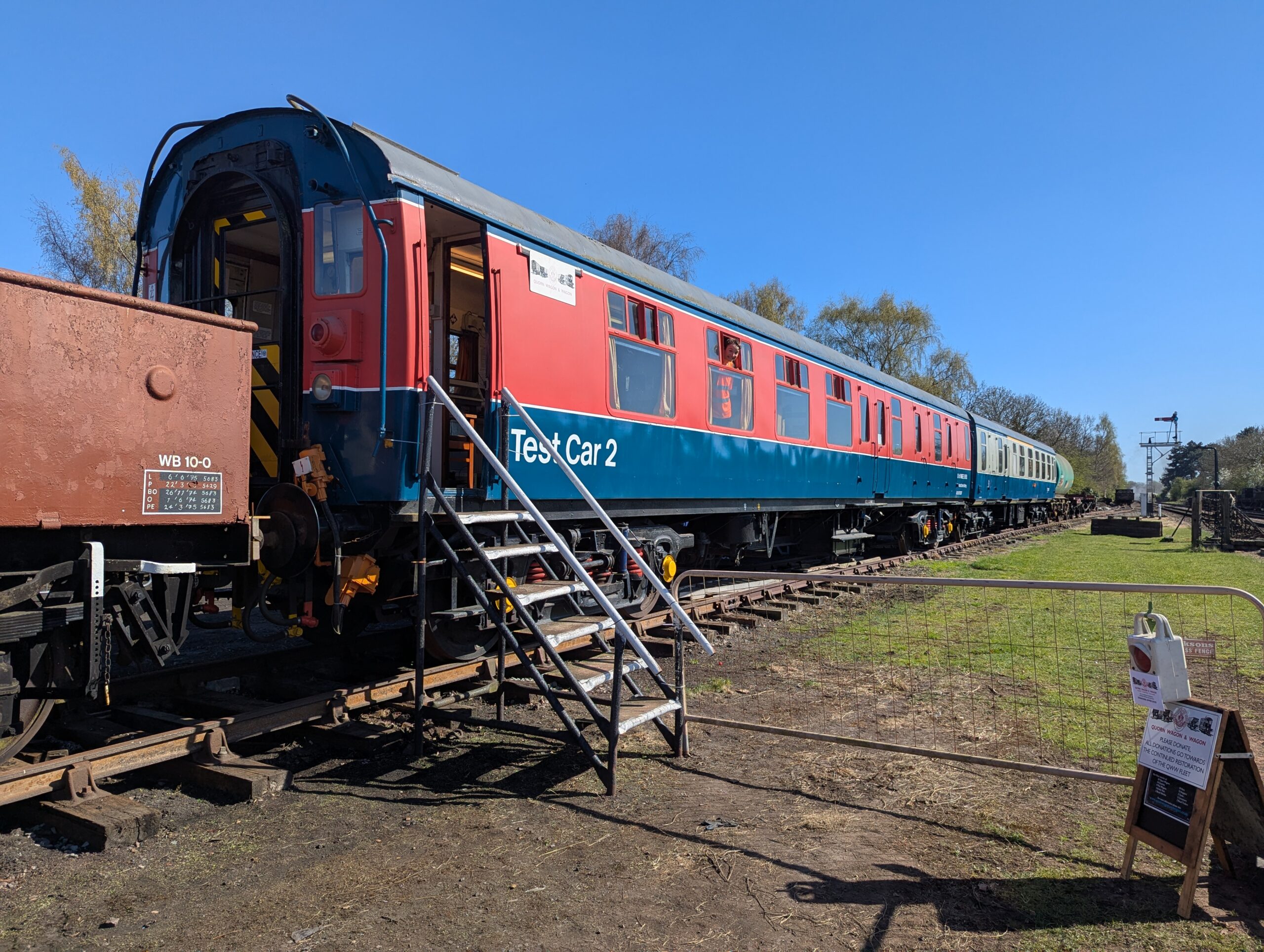
Mark and Oliver took a look at the steps up to the tool van, making some repairs to the first and second steps. They certainly feel a lot more solid to walk on now, and should save any accidents. Oliver himself performed the grand opening.


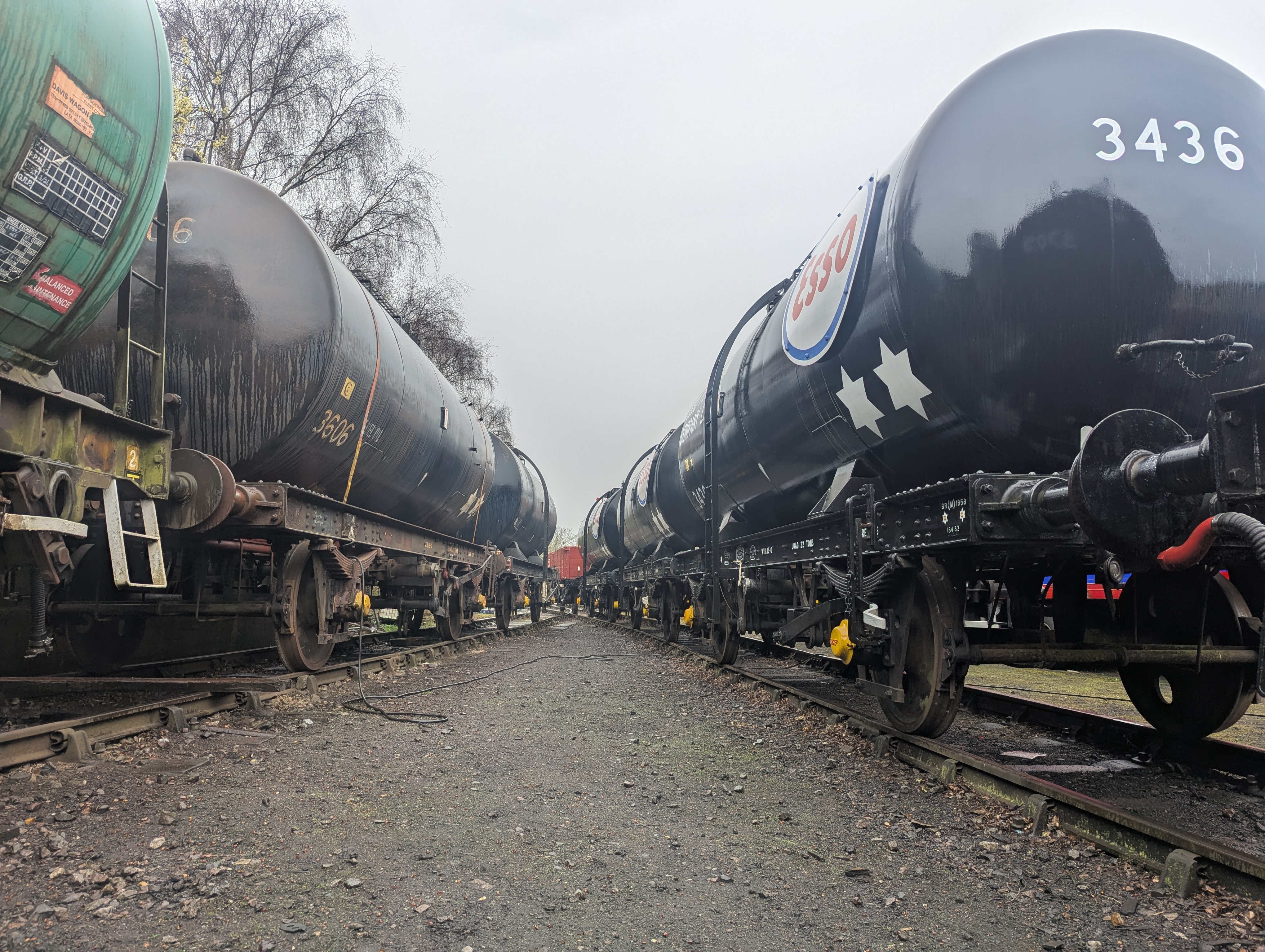
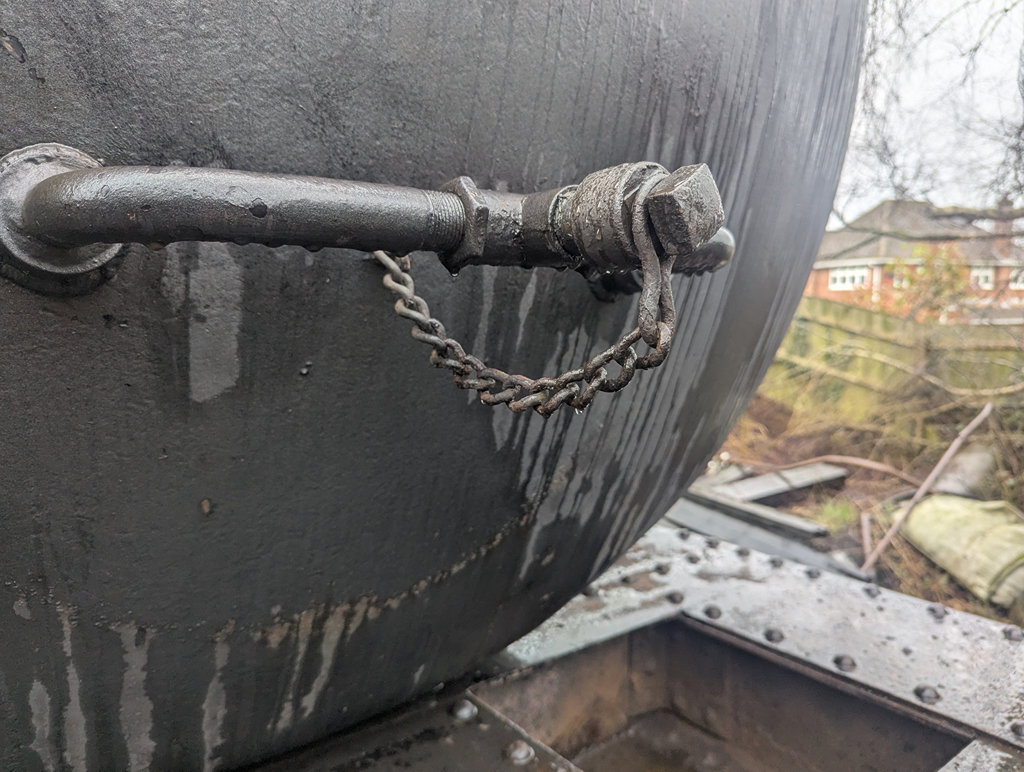
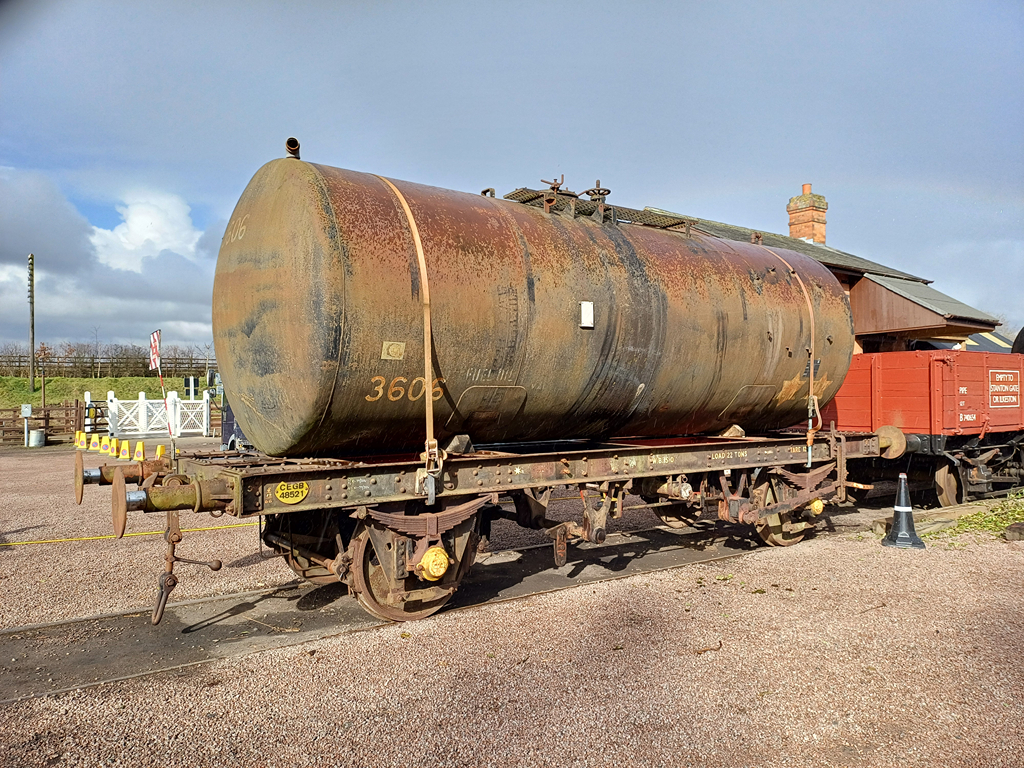
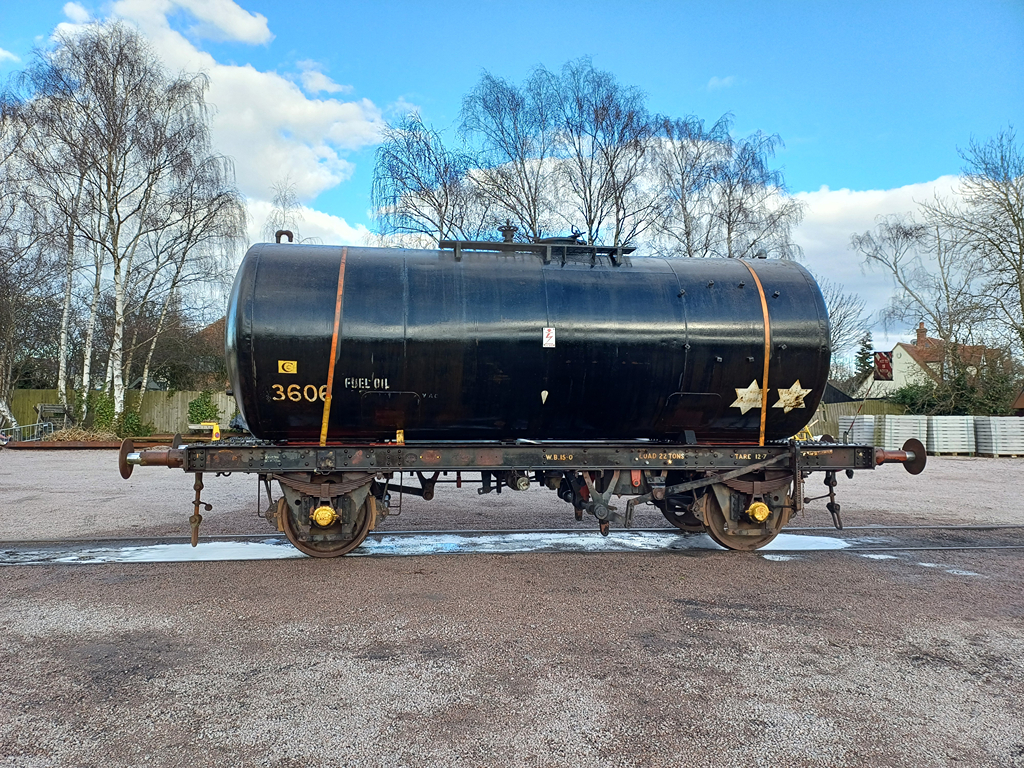
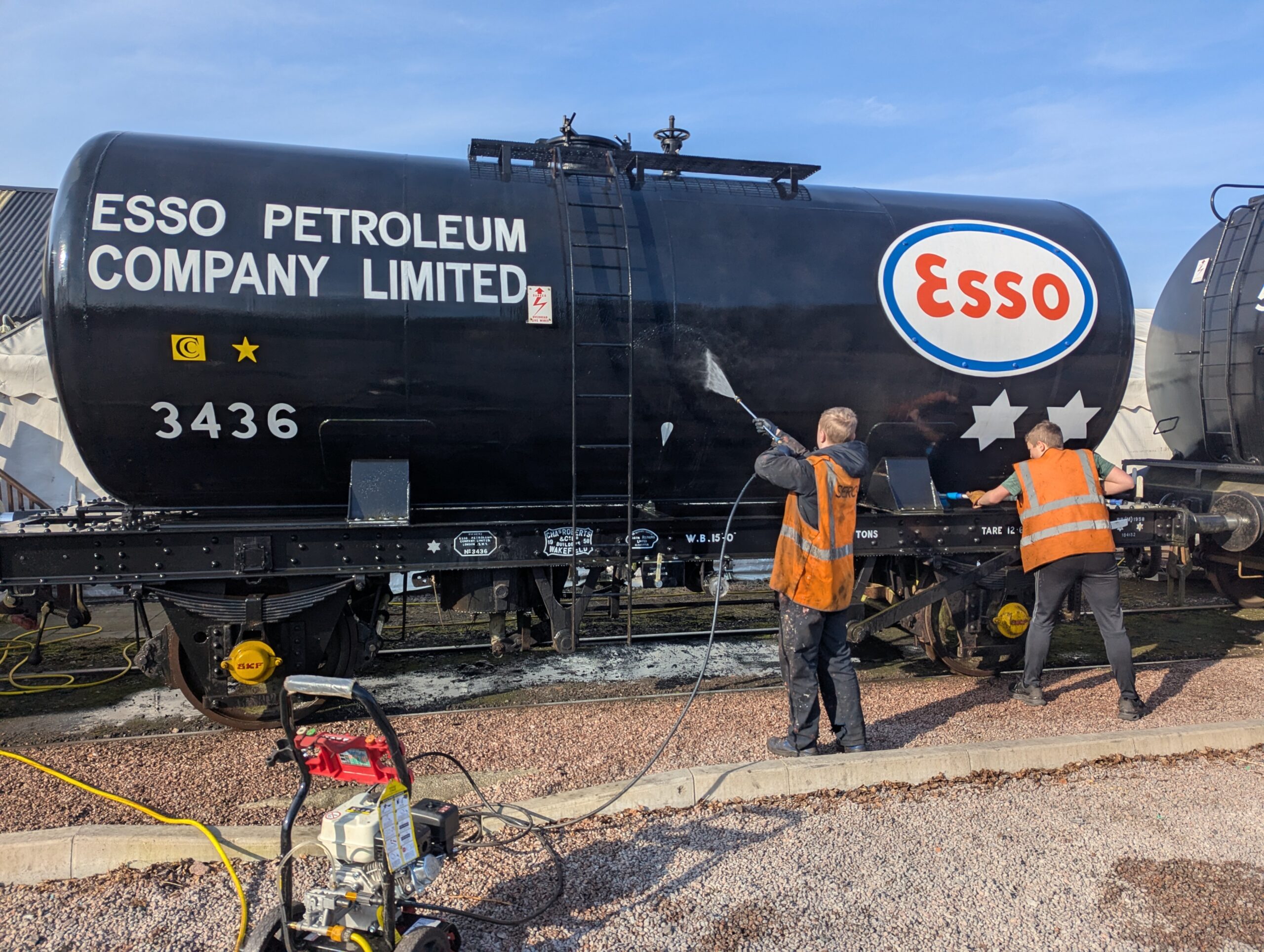
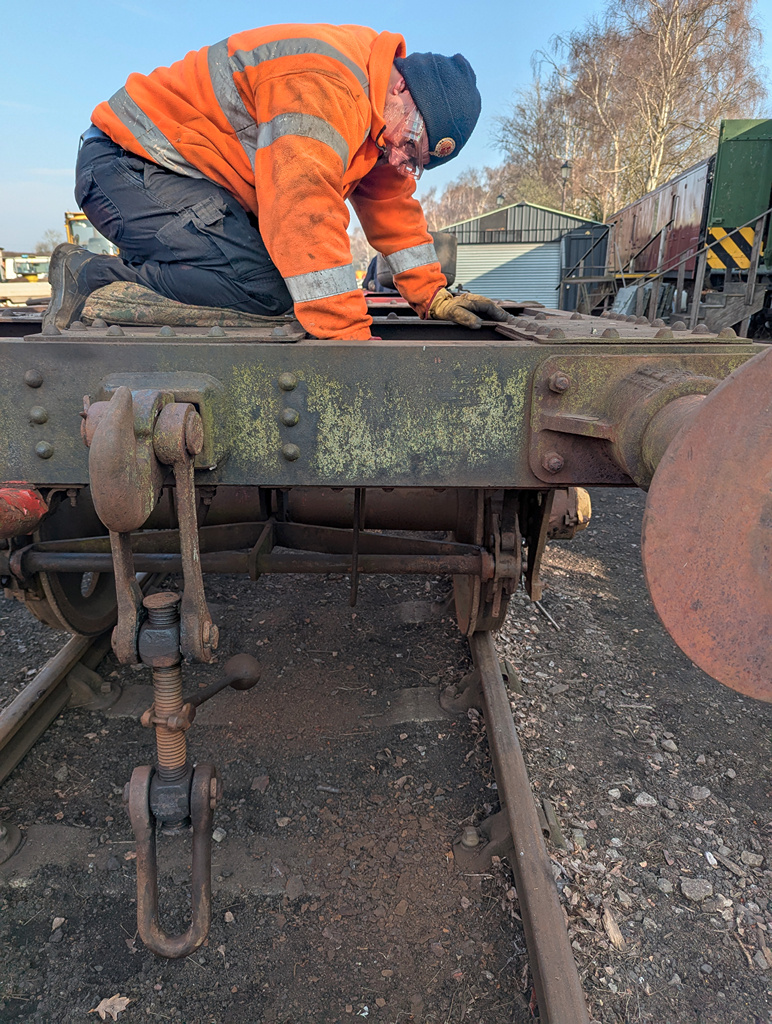
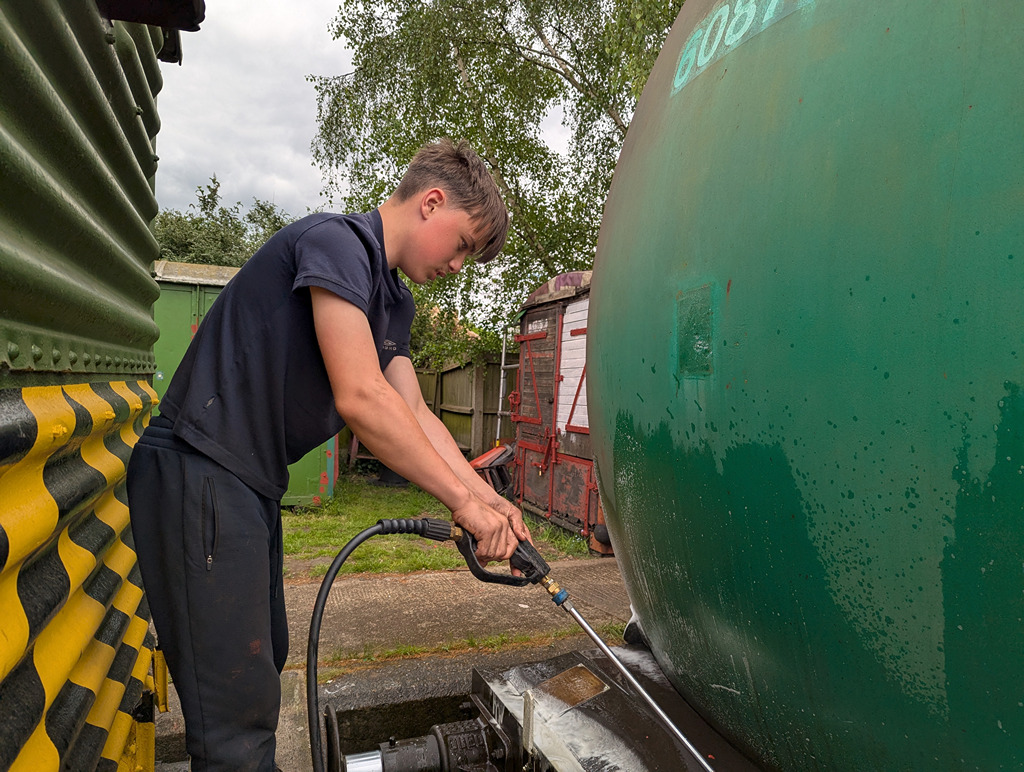
The rest of the gang set about removing the stickers from 1919 to get it ready for paint prep. It also got another wash due to the amount of green algae that had settled on it. We’ve put that down to the rough texture of the brake dust making a perfect surface to settle on.


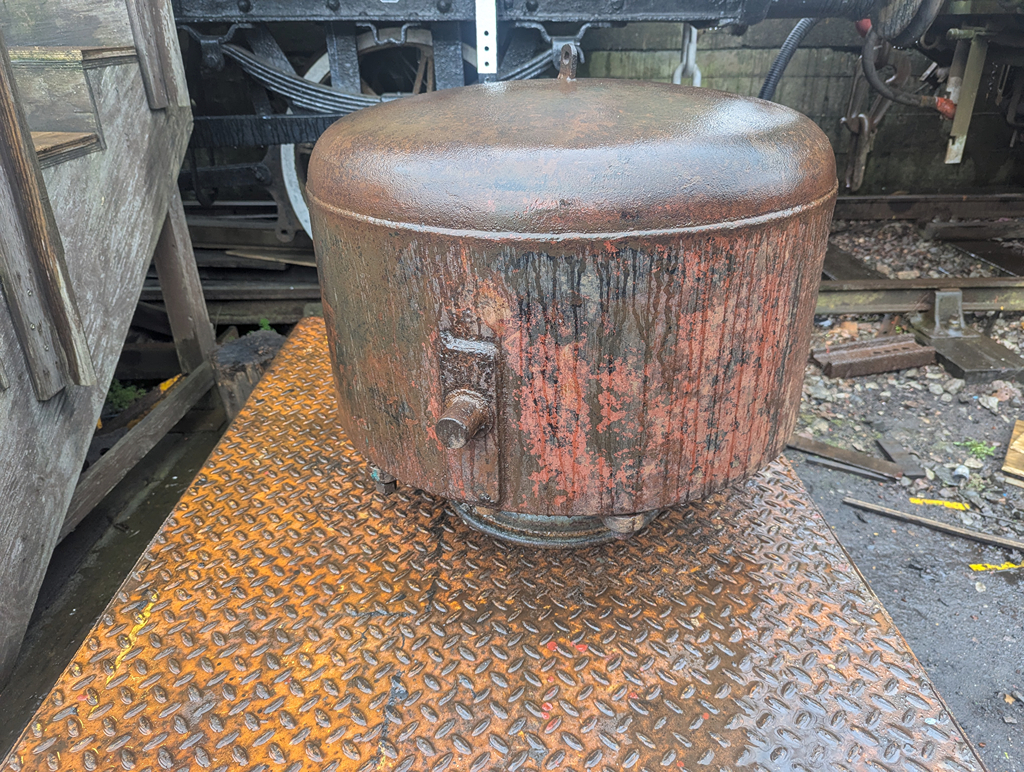
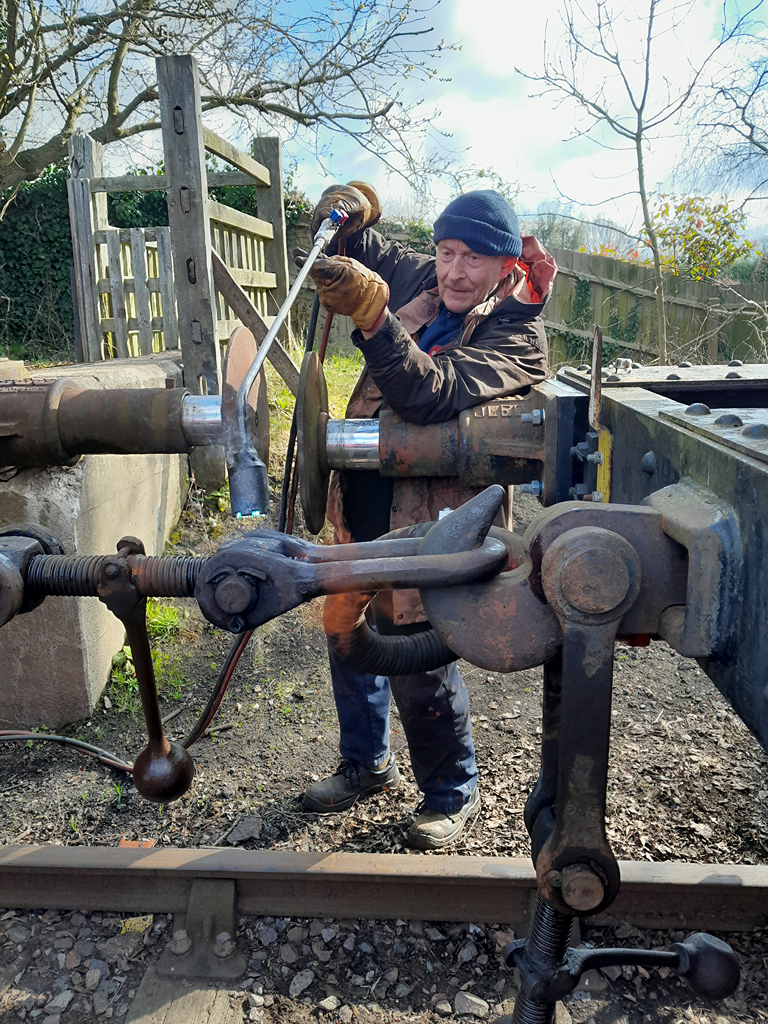
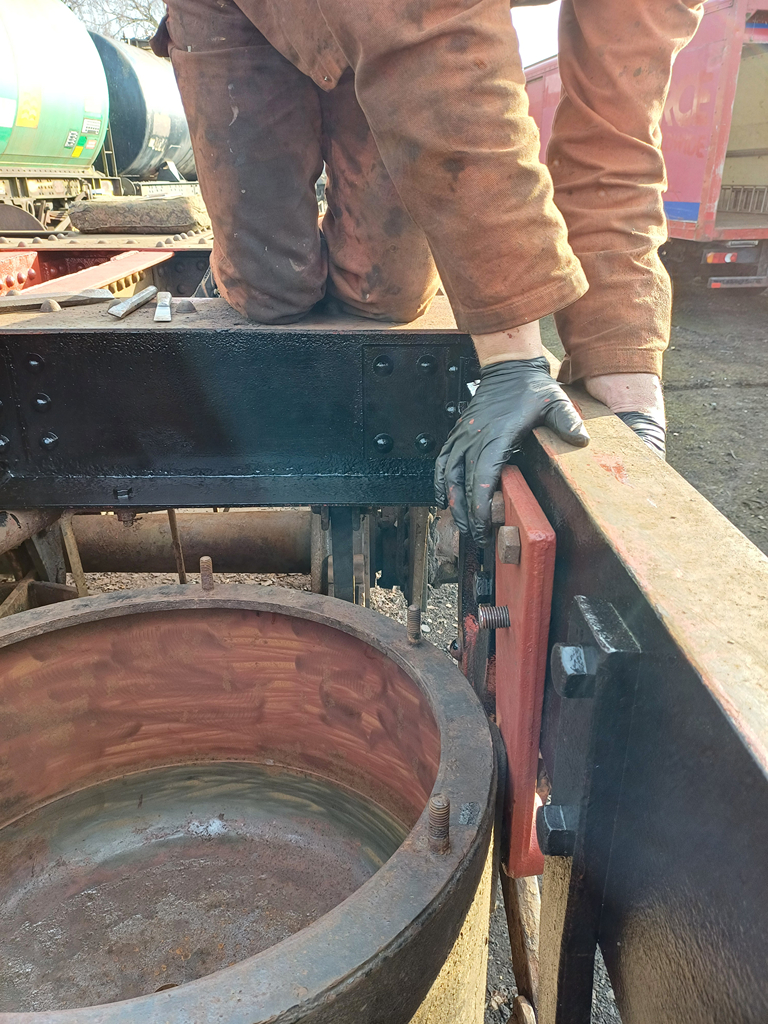
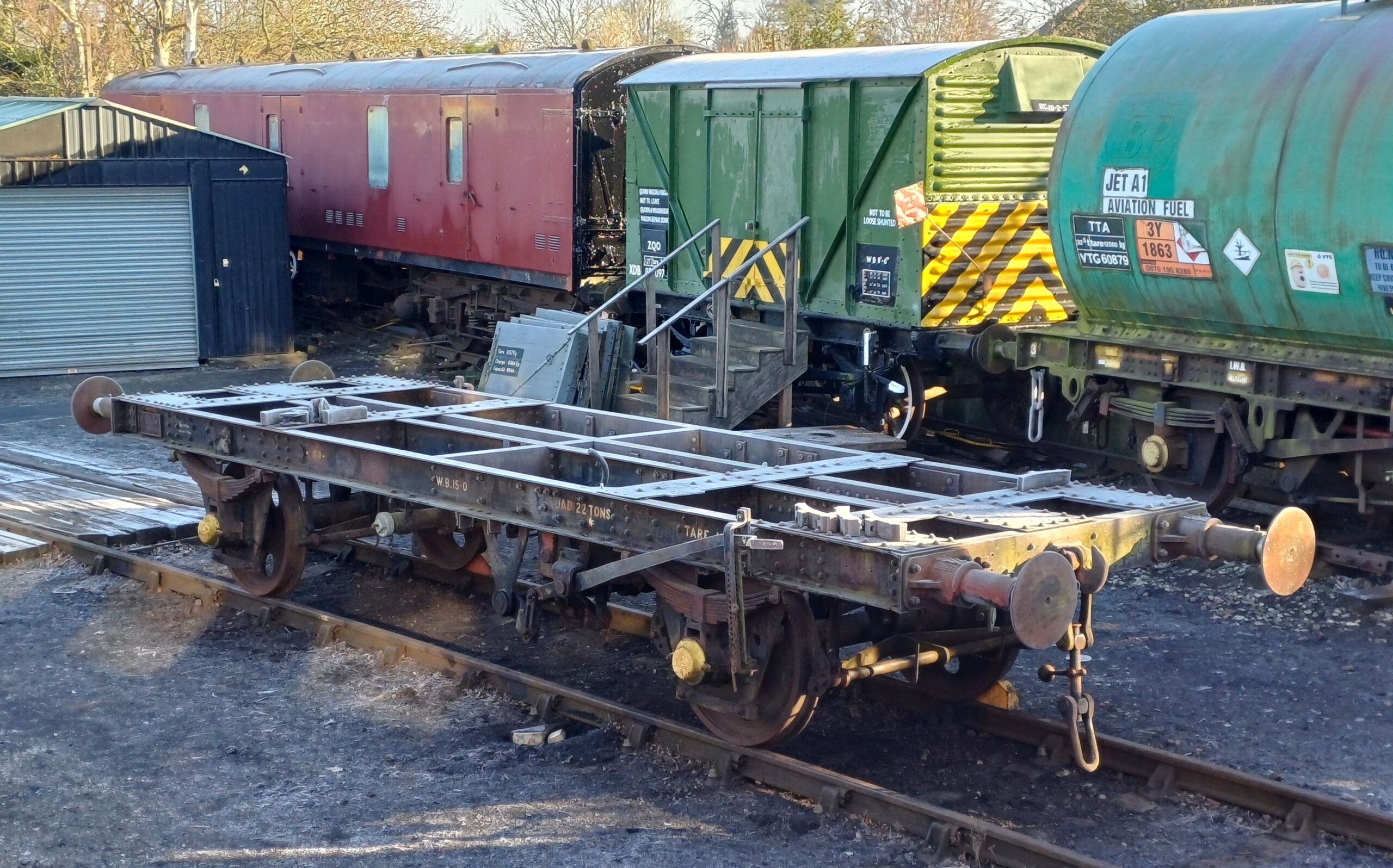
Dan took some time to apply primer to the bare metal work on the container, while Nick and Charlie refitted the freshly painted splash guard.


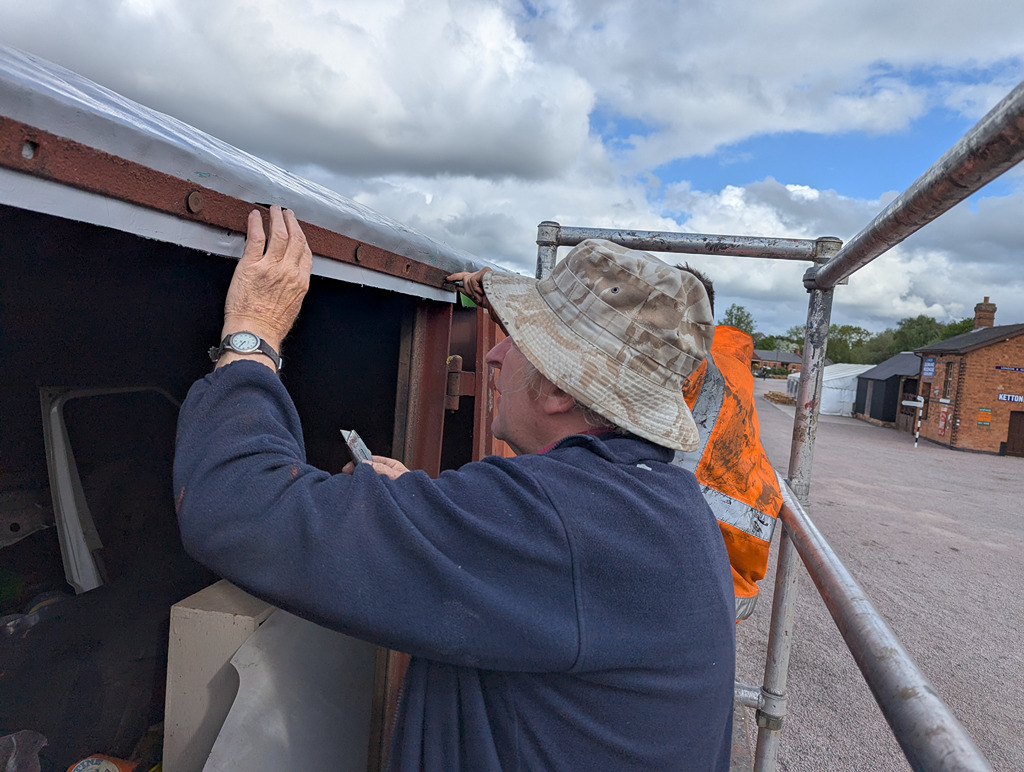
On Monday, Charlie, Nick, Jamie and I looked at fitting the four painted ‘noggins’ to the two vans. Thankfully all went on without major issues, which means these vans could run in traffic, albeit with a huge ASDA logo on each roof. We now simply await more roof paint for these vans to finalise the work.
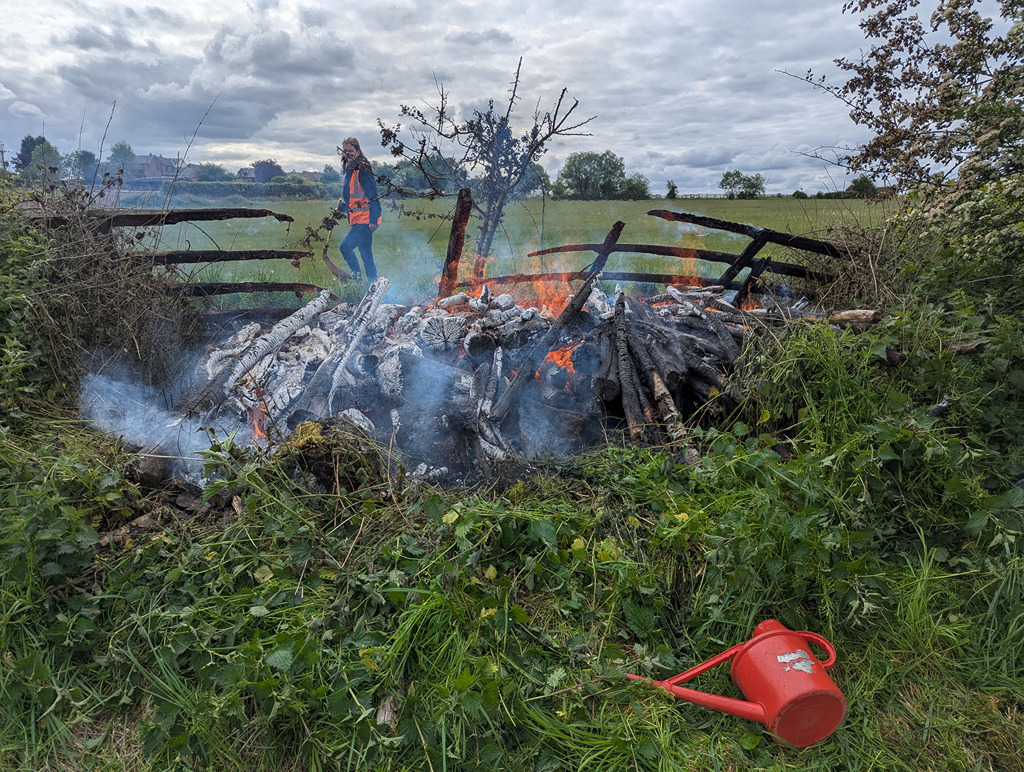
Charlie and Jamie carried on washing 1919, concentrating on the end of the barrel and headstocks. This was however interrupted by reports of a sizable fire adjacent to the down lieby, next to the rest of the box vans. Between the station team and ourselves and a passing train the fire was got under control and the vans protected.
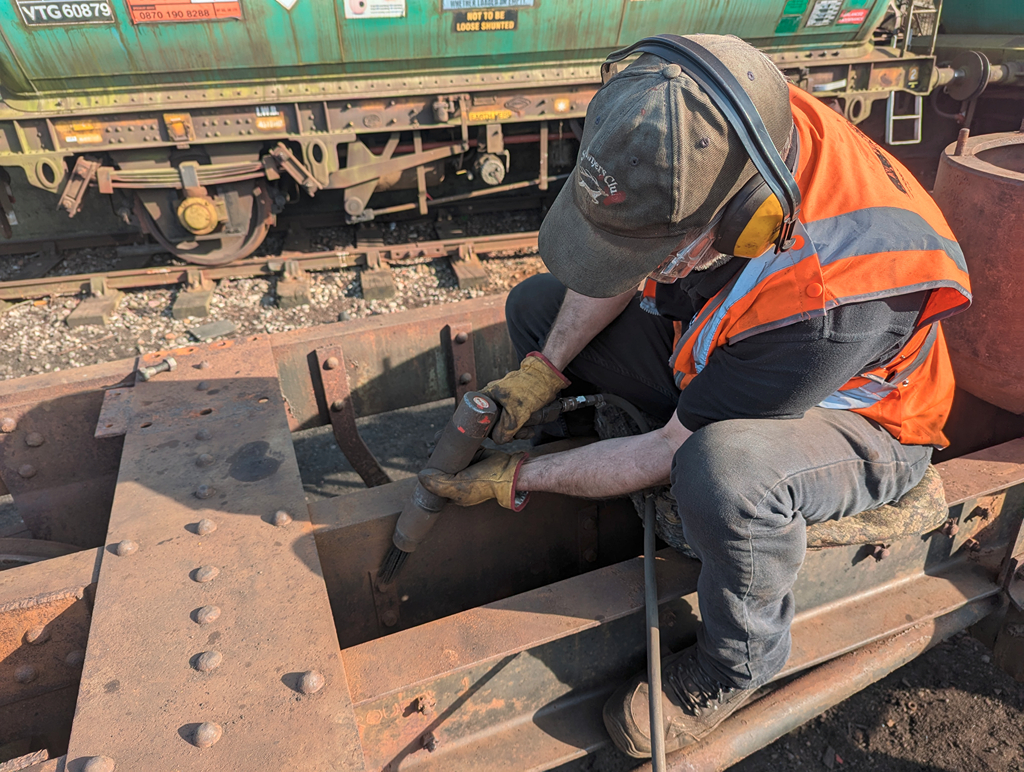
As I’m sure I’ve said before here, I think its time to go back to work for a rest! Next week we’re planning to start sanding some of the tanks for painting and I’m sure there will be a lot more besides that. Thanks for reading, and see you next time! Cheers, Ross