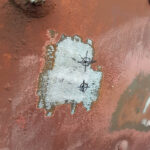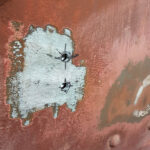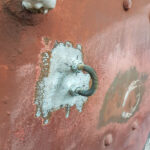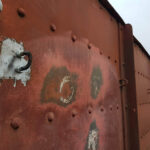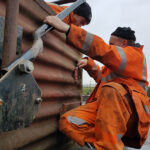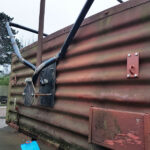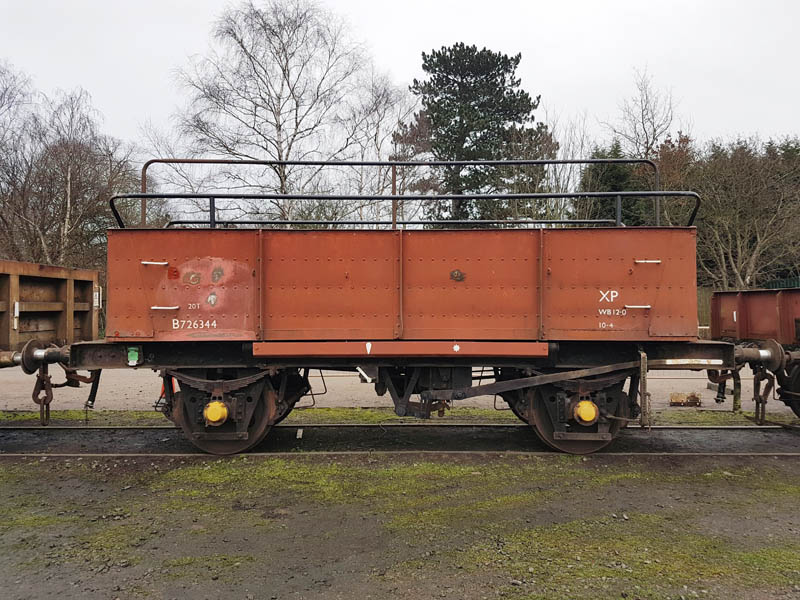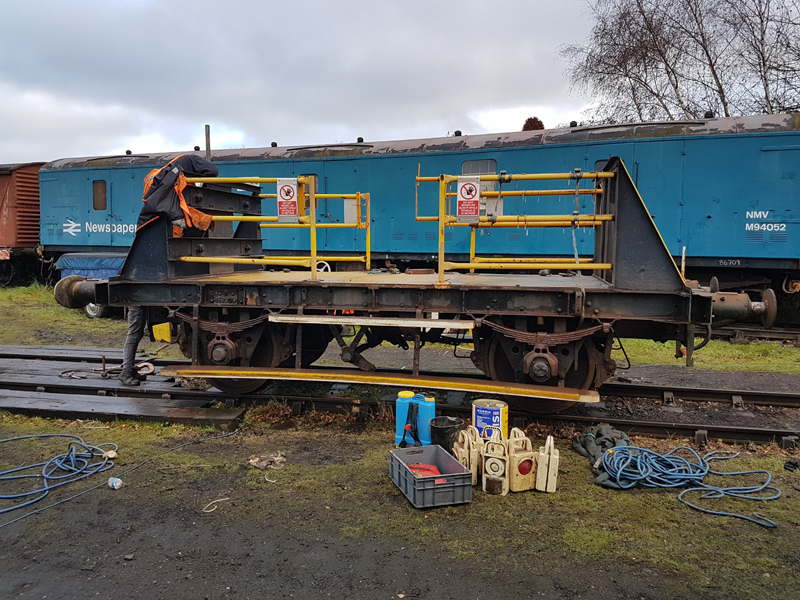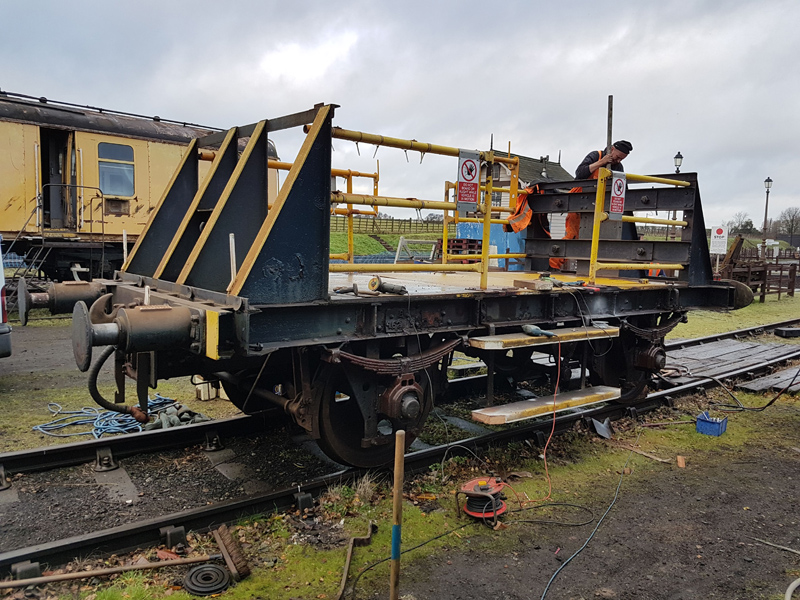
Another weekend and January is rapidly passing. Work continues on the Shochood B and this should be the last update with a hoodless vehicle. In preparation for the hood fitment, the missing loops for attaching said hood have been fitted. These were manufactured by Jamie and Pat from Rothley C&W and our thanks go to them for helping with this project.
As we do not have the capacity to weld, the side hoop was manufactured from threaded bar this allowed it to be bolted in position. The end hoop was fitted to a mounting plate which was again bolted in position.
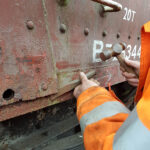
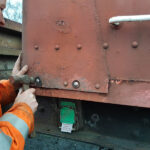
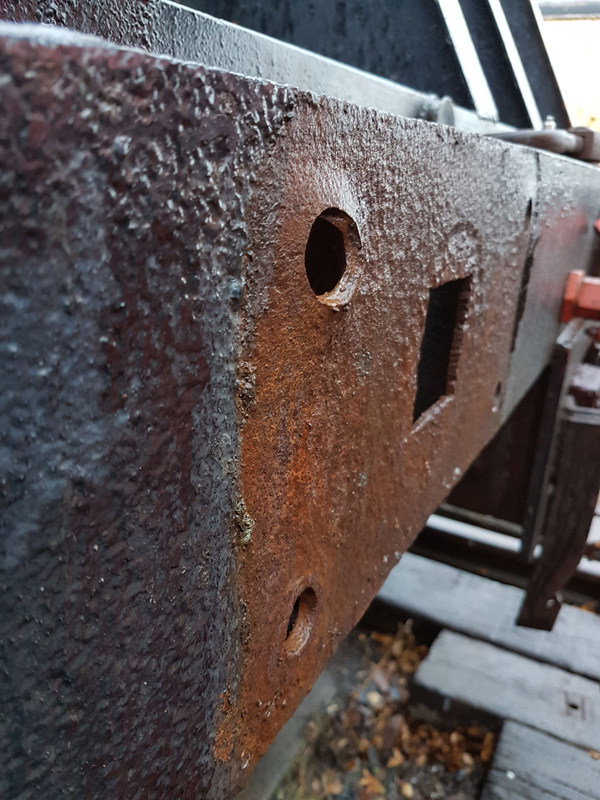
Once these were fitted Nick and Jake turned to the ends. Due to two large holes being drilled in each end this has allowed years of rust to accumulate. This was removed and plates manufactured to fill the voids. Again due to our welding inability theses plates were bolted in position and once better weather arrives will be filled. Until then they have been redoxided along with the hoops fitted.
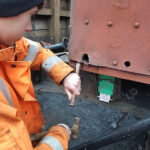
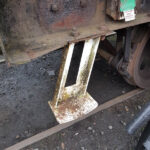
My task and completing my personal mission to aesthetically create a Shoochood B, the end steps were both removed.
Saturday’s final task was to place the Palbricks toolbox back on the vehicle just to keep it out of the way until the vehicle’s future is fully decided.
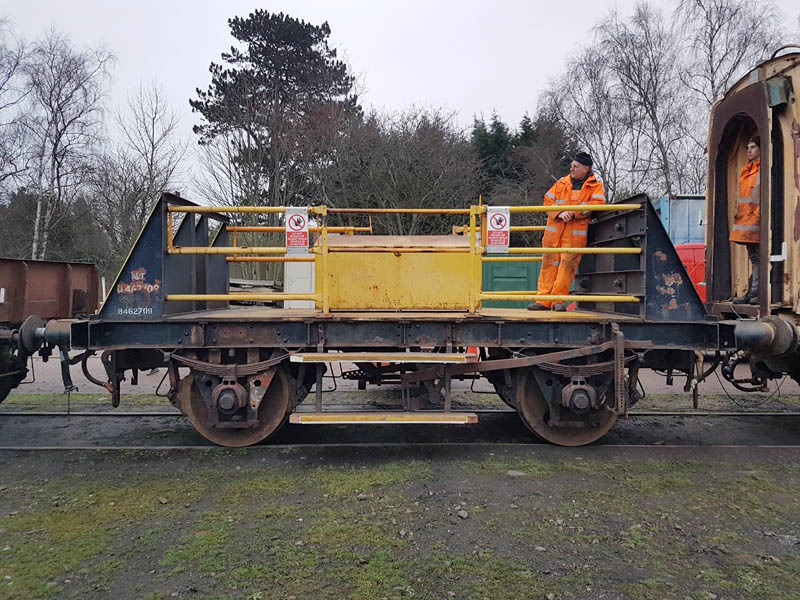
On to Sunday and the task to fit the capping wood. This was positioned rebated and bolted into position. Once bolted up Jake applied a coat of gloss.
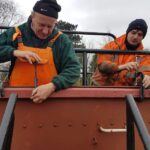
Apart from painting this completes the reversion.
Without Hood 2019
Next week should see the sheet fitted and of cause it is the GCR’s Winter Gala so TPO action for ourselves.
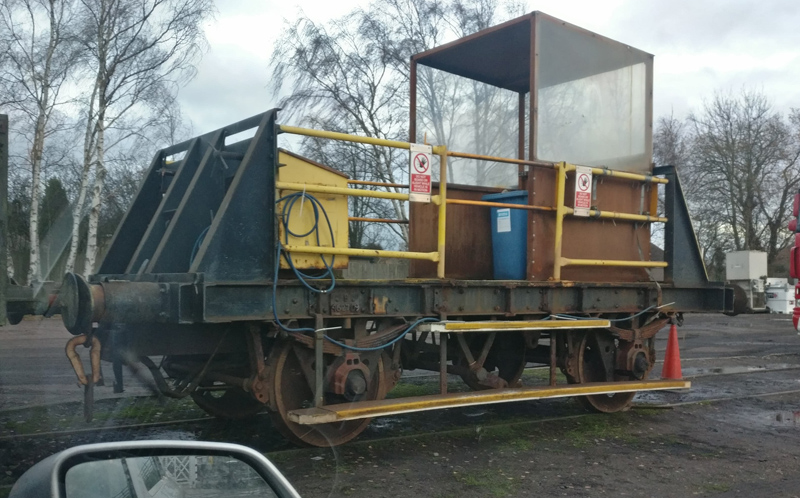
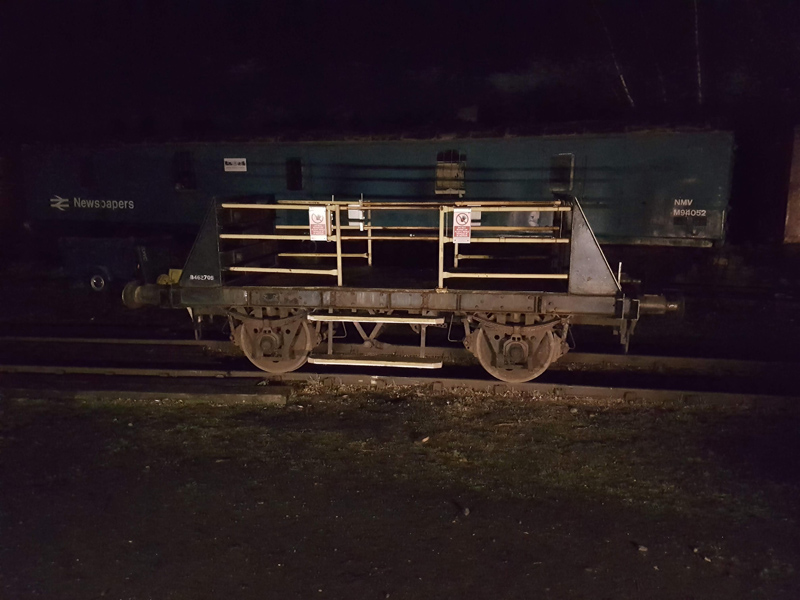
With S56010 essentially finished our attention has turned to a new arrival. Joining us from the Bombardier works at Derby Litchurch Lane Palbrick B B462709.  This vehicle was purchased with the intention of becoming a chassis for re-wheeling a box van. This decision may be altered as an alternative use with commercial possibilities has come to light but this requires discussion with the GCR before we announce further. For now, the vehicle is being made fit to move on the railway.
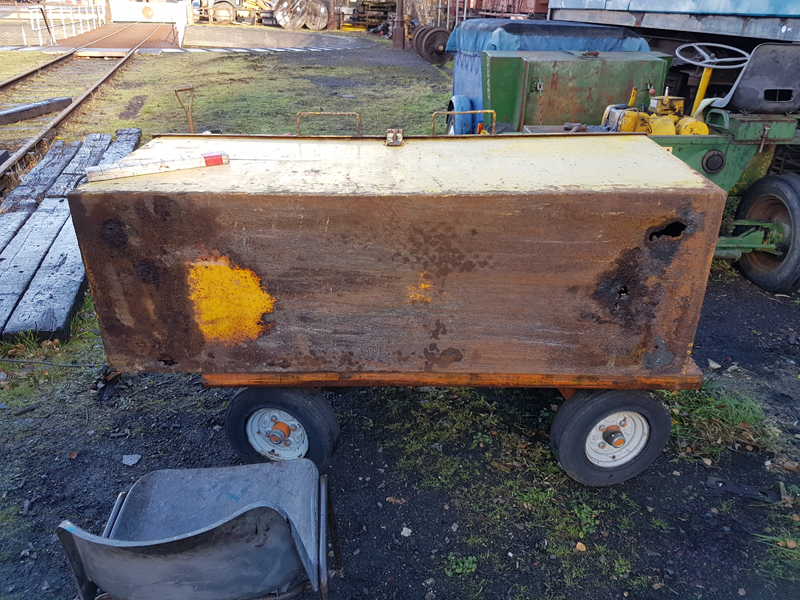
The first job was to remove all of the equipment from the deck. This included the toolbox and what can only be described as the wheelie bin shelter. During its life at Derby, it was in use as a match wagon and site domestic wagon, for clean up and de-icing duties both track and walkways.
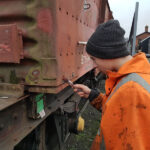
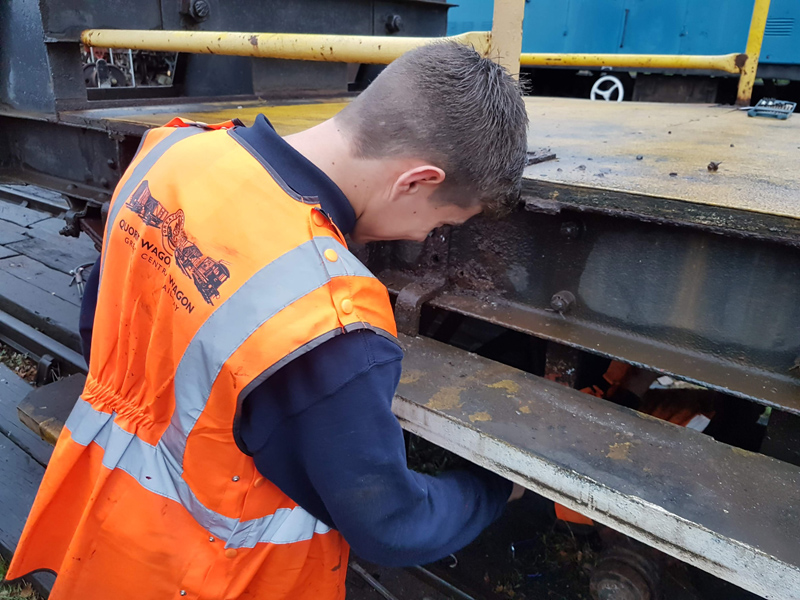
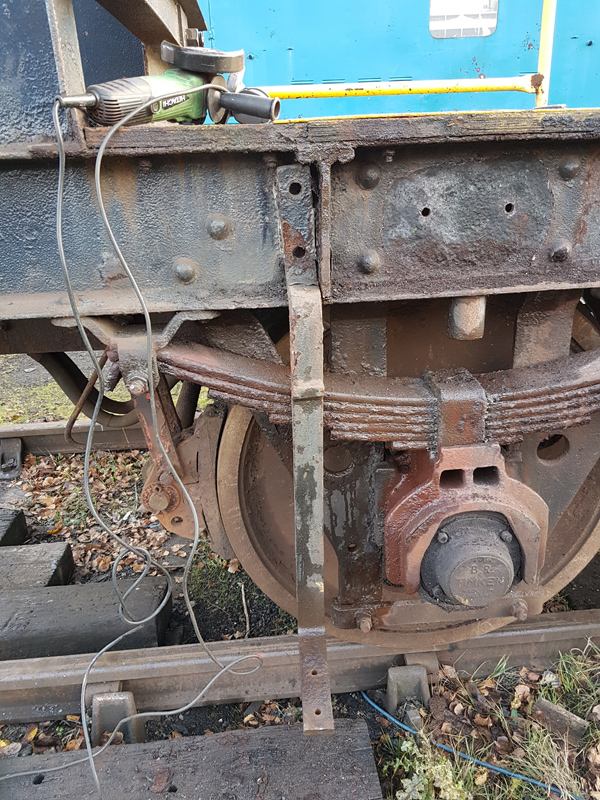
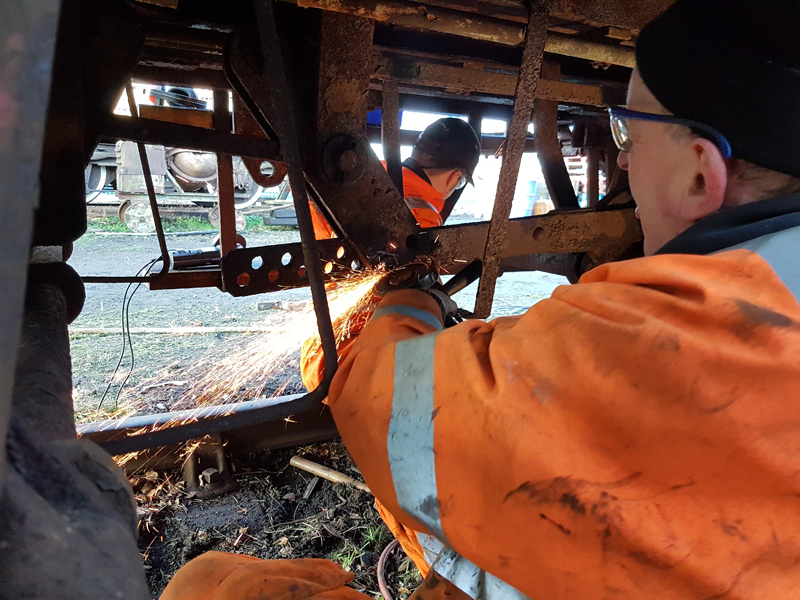
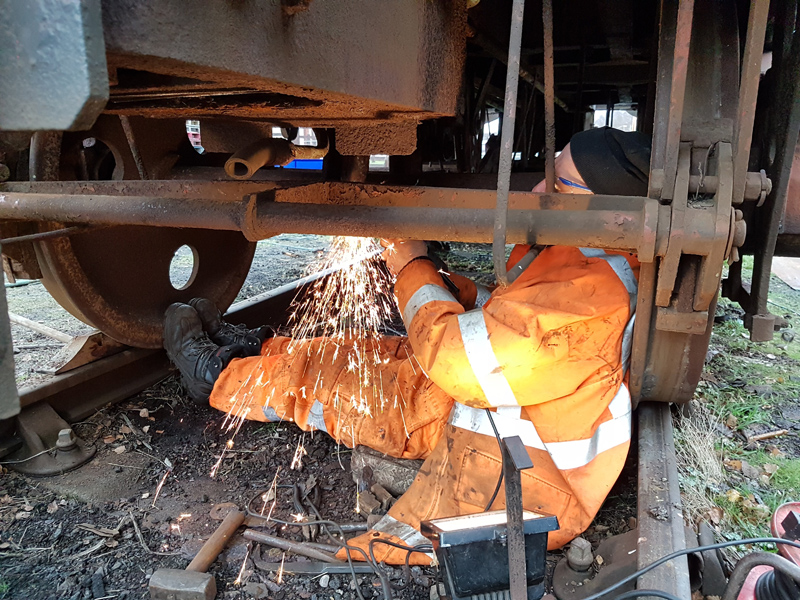
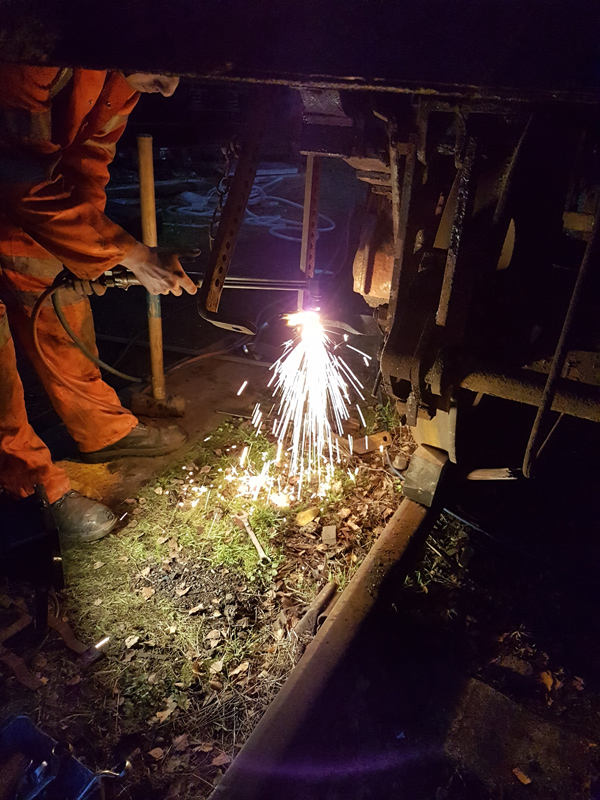
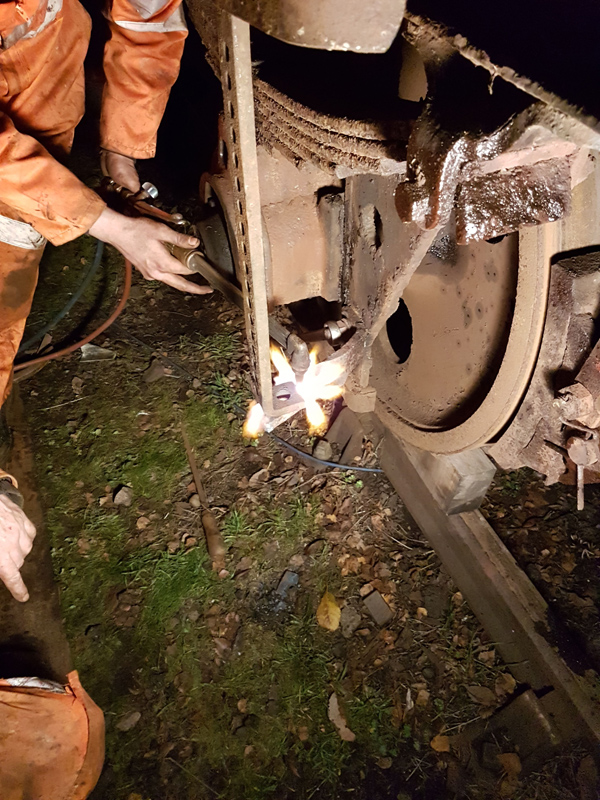
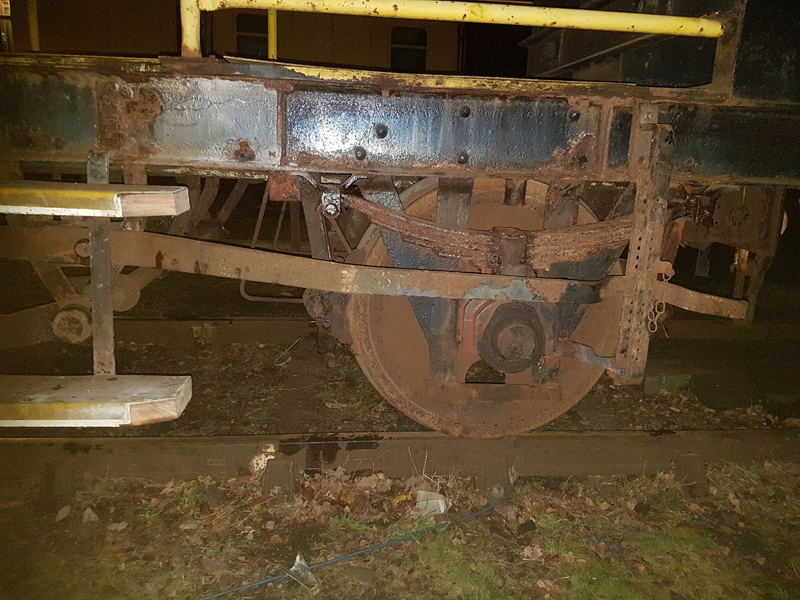
My main task for Saturday was to address the step boards, as can be seen above they have, at some time, taken a wallop. As we are also reinstating the brake gear and to gain better access to the axle boxes the steps were shortened.
This was carried out on both sides. This involved removing the anti-slip coverings, shortening the boards and coverings then refitting said coverings. I also had time to remove the east side footboard bracket as this was now redundant.
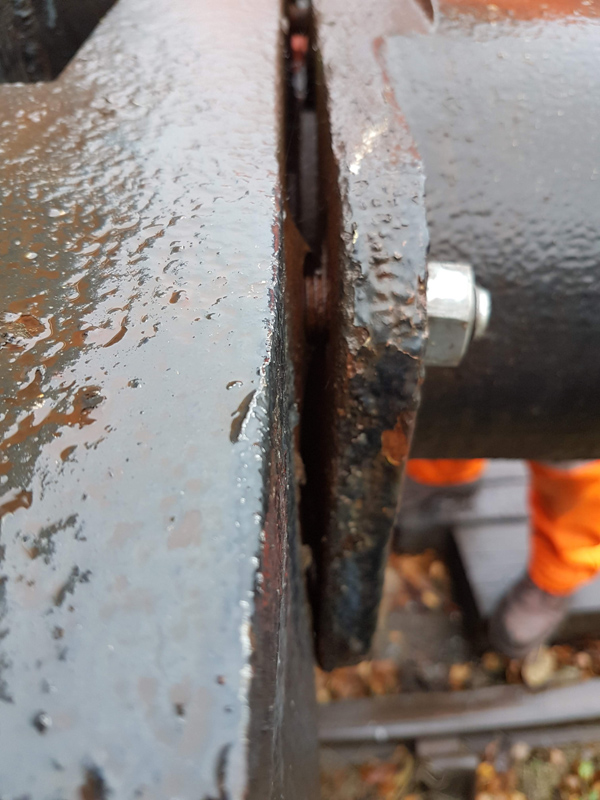
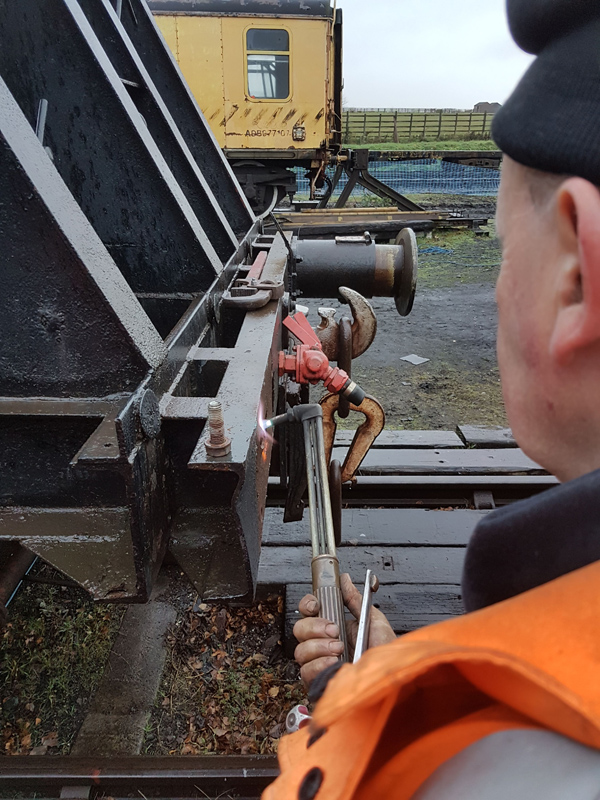
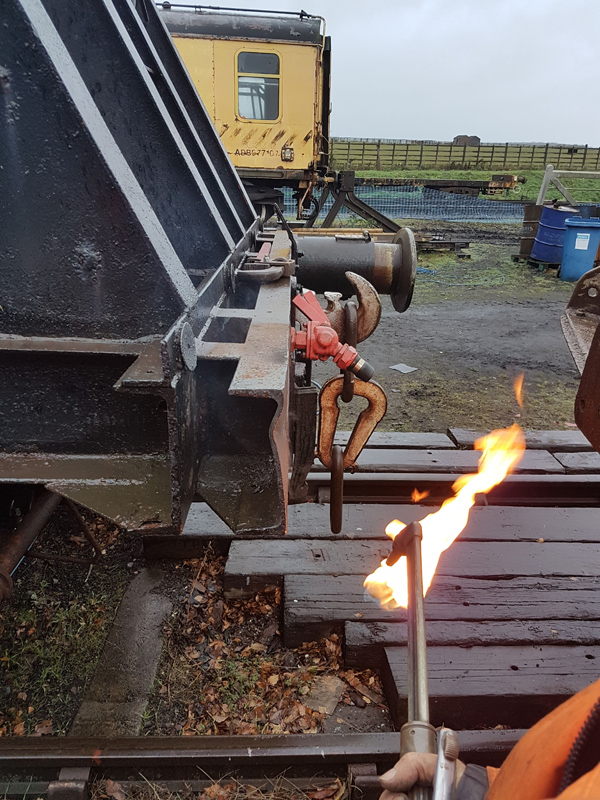
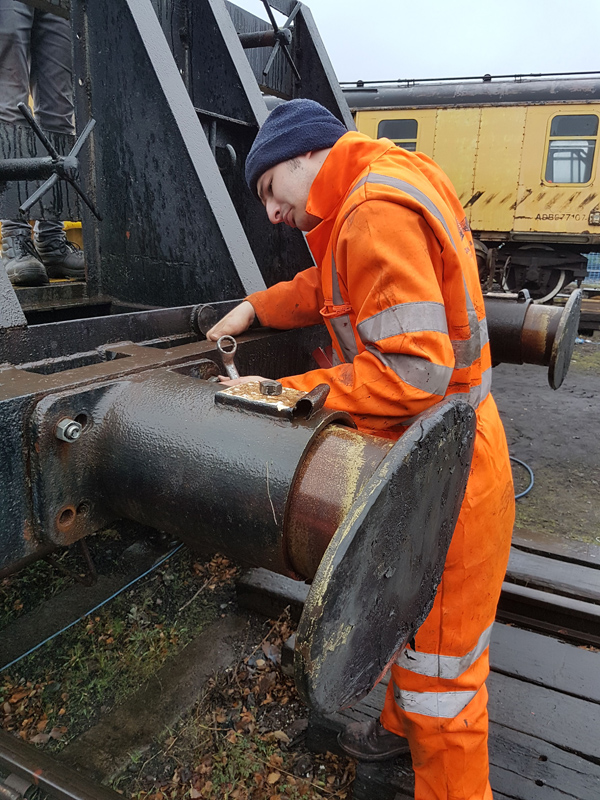
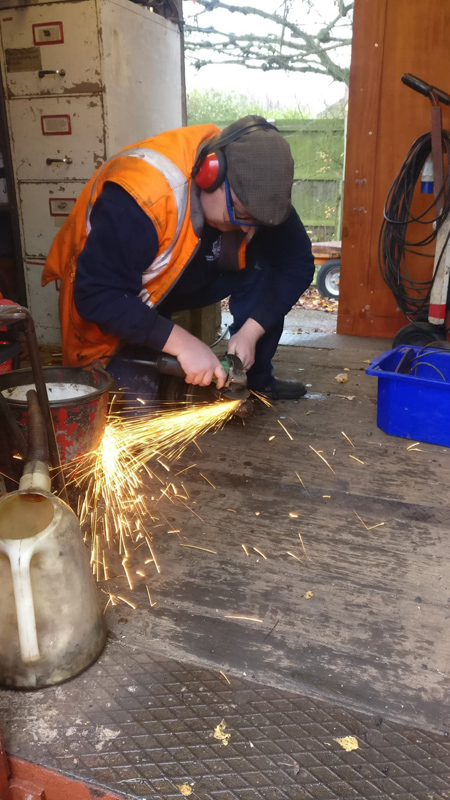
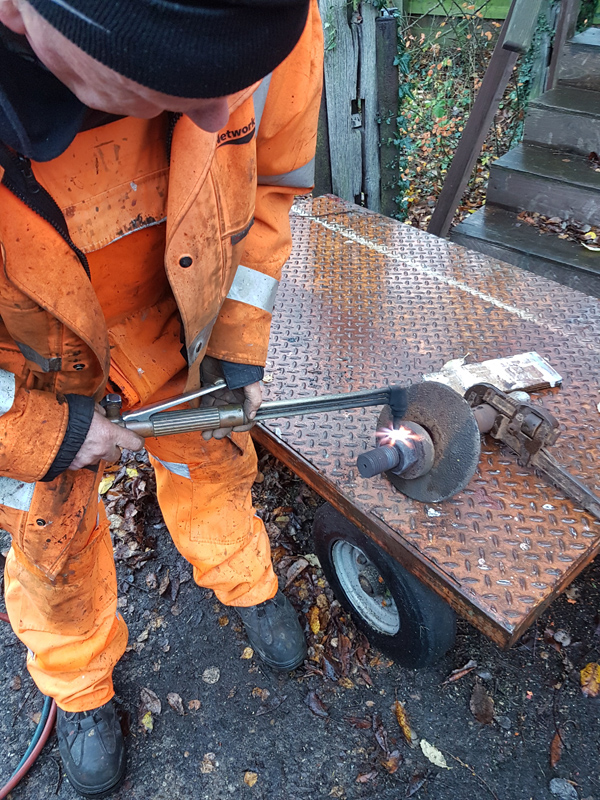
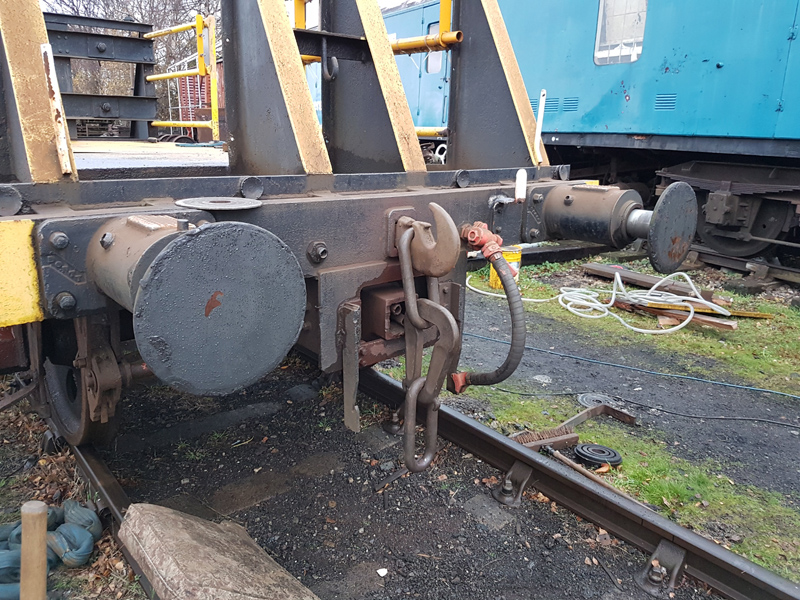
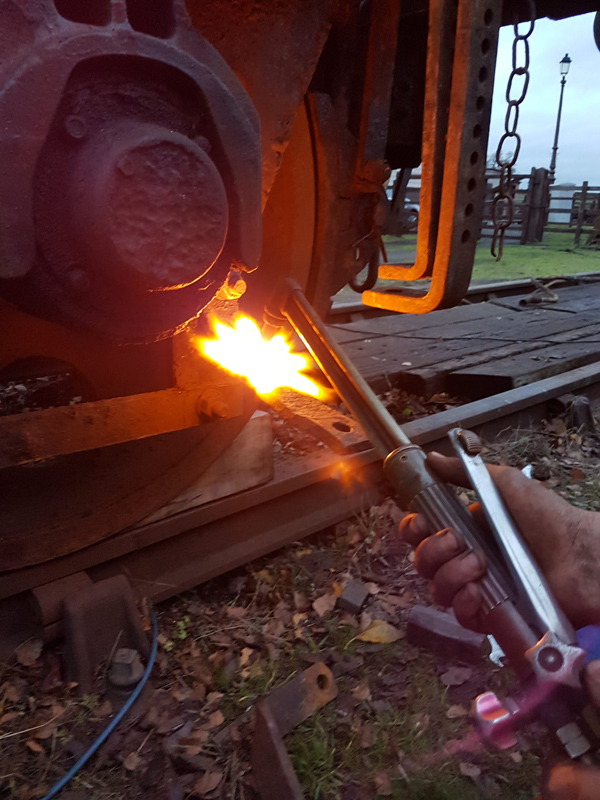
At some point, the vehicle had taken a hit to the northeast buffer, this had pulled it away from the headstock. The buffer was removed the area around the bolt holes that had deformed was heated and returned to its original profile. The bolts replaced and the buffer refitted
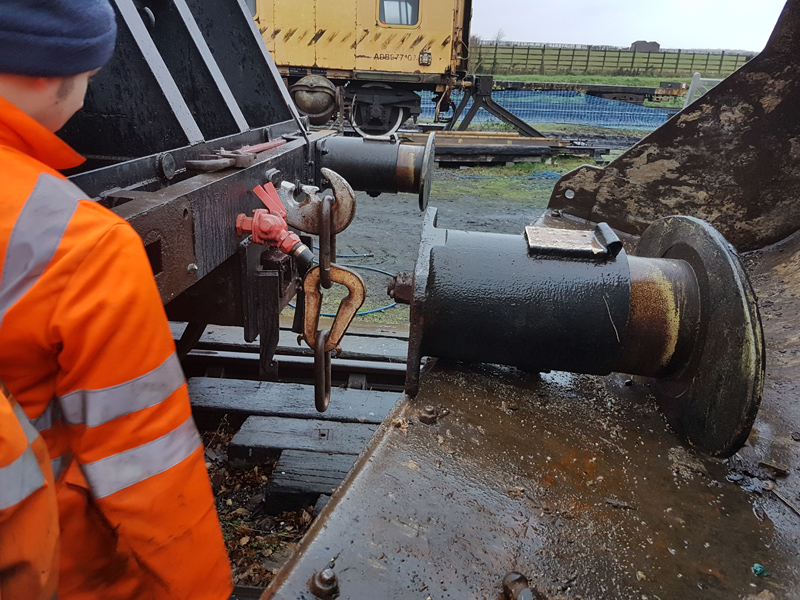
The south draw hook had also sheared. What was left was removed useful components salvaged and a new complete draw-hook fitted.
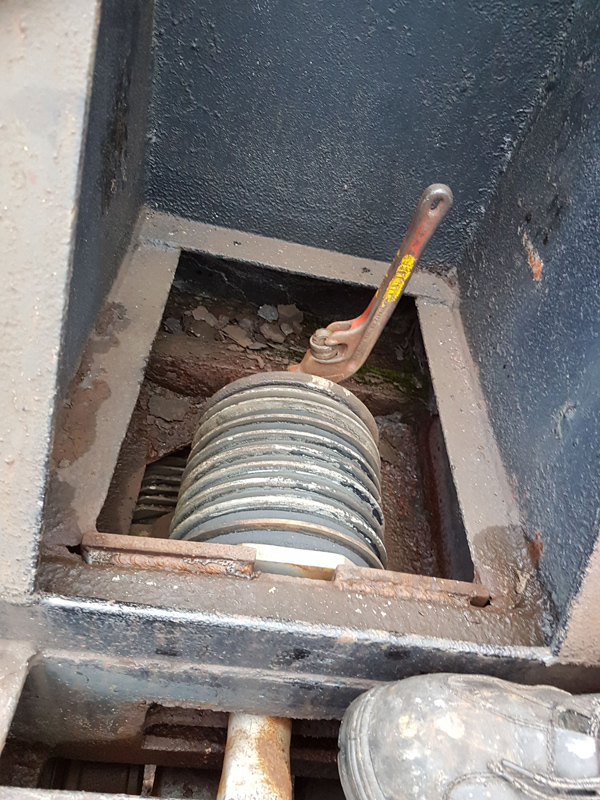
The other draw-hook at the north end was loose and missing a spring rubber. This was undone and a new rubber fitted. Of cause, the description of the work carried out is considerably shorter than how long it actually took.
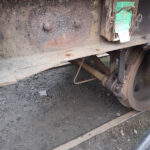
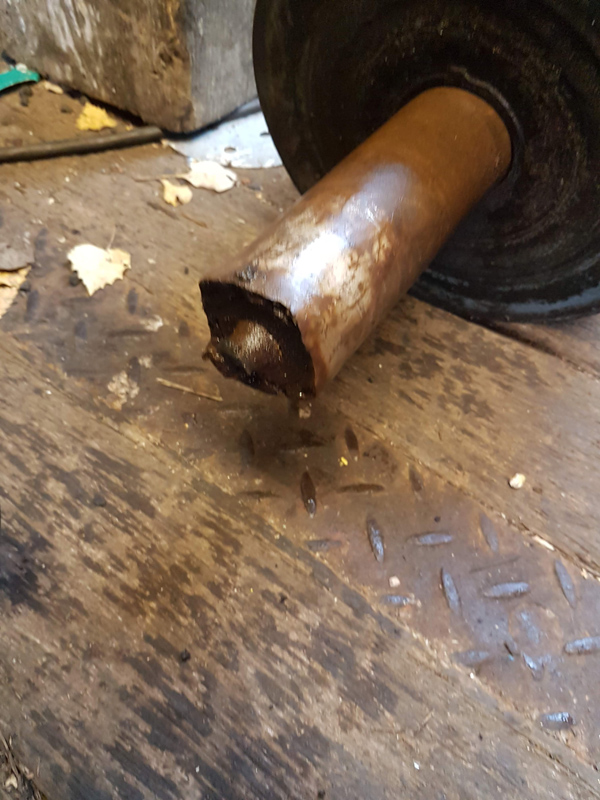
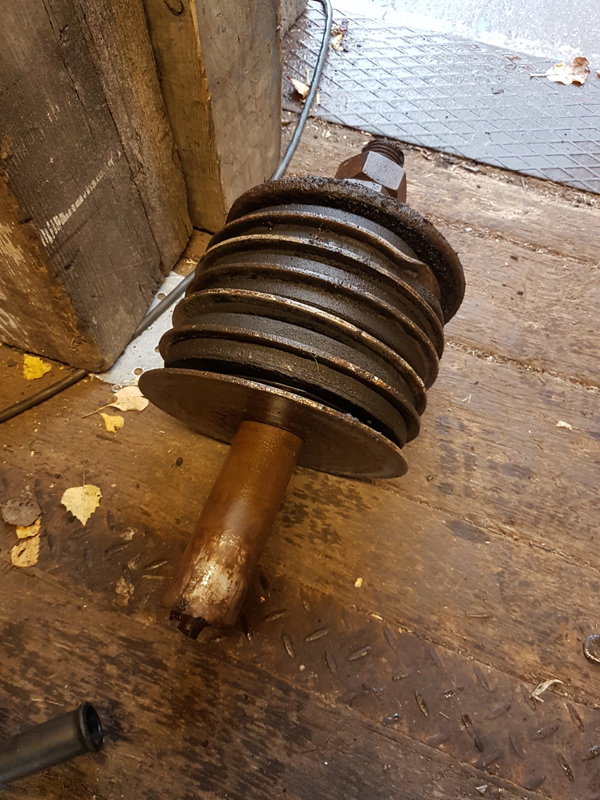
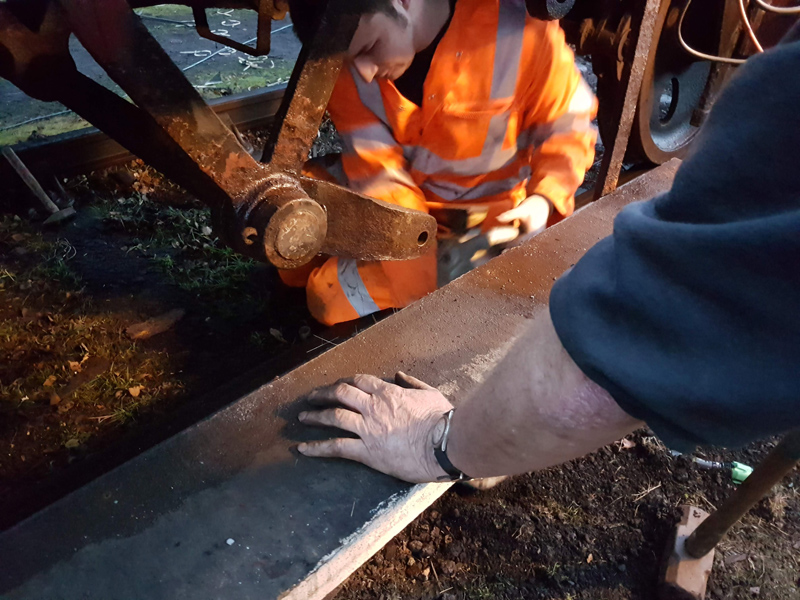
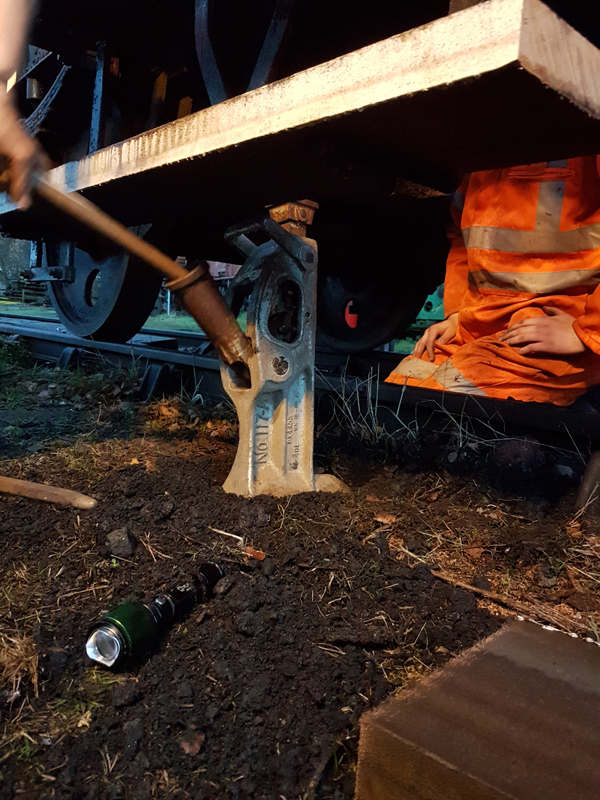
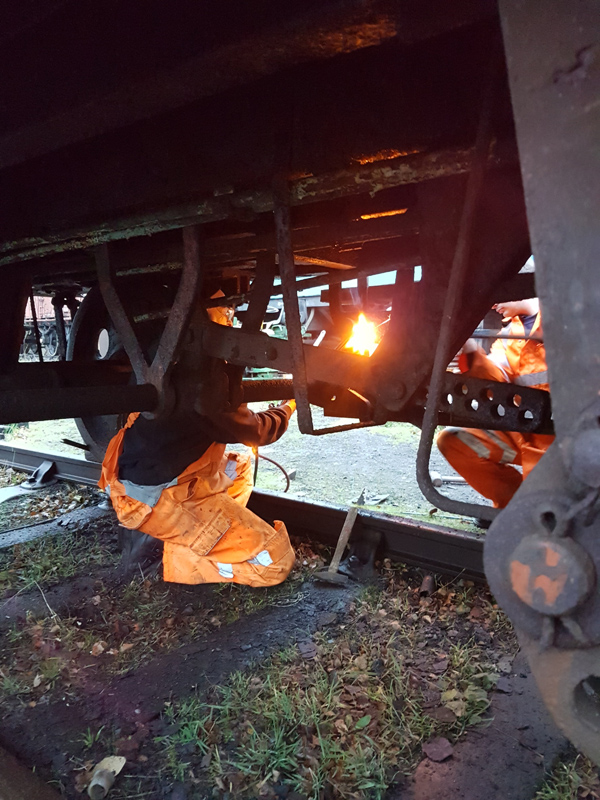
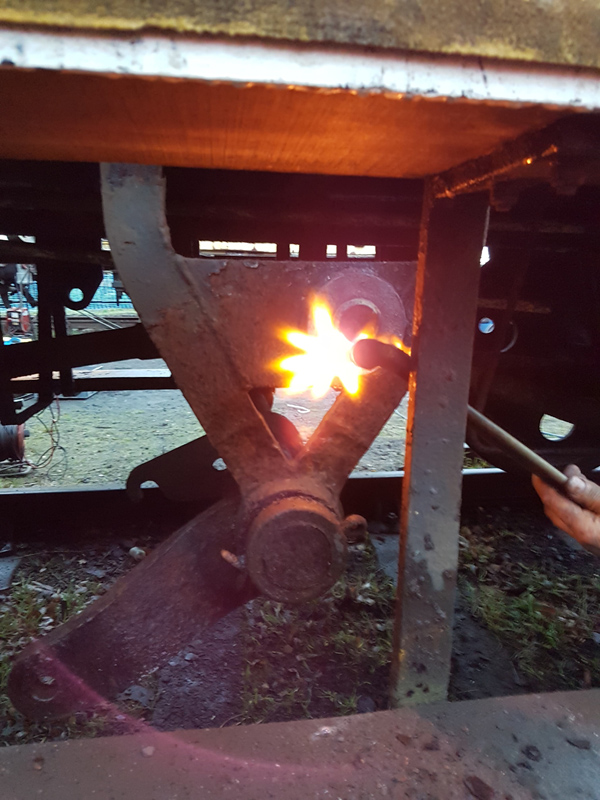
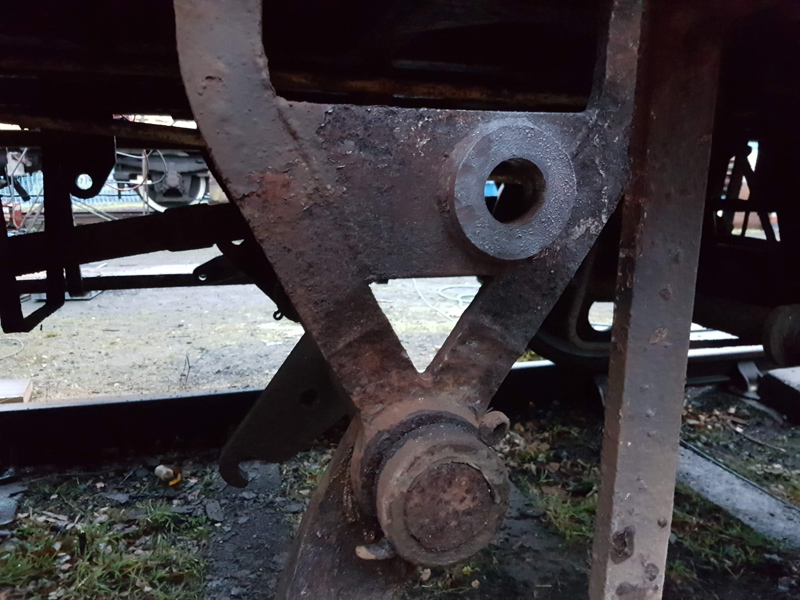
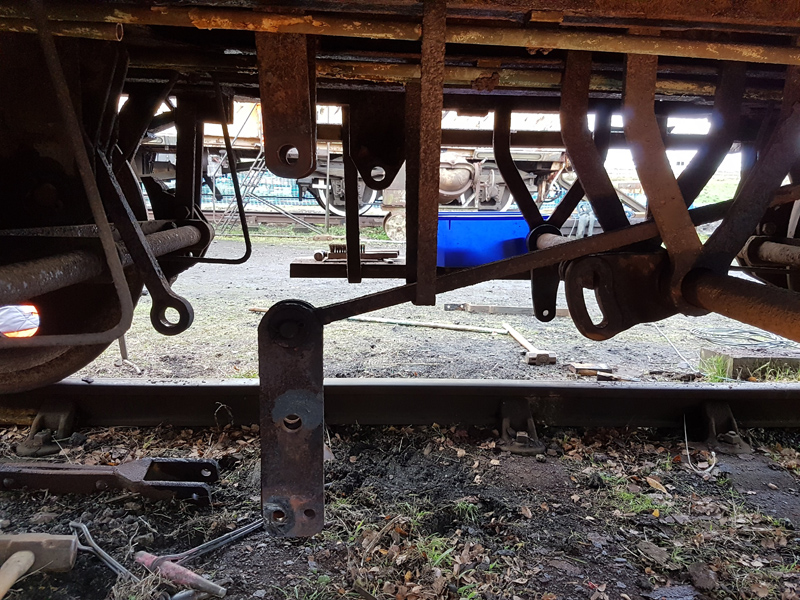
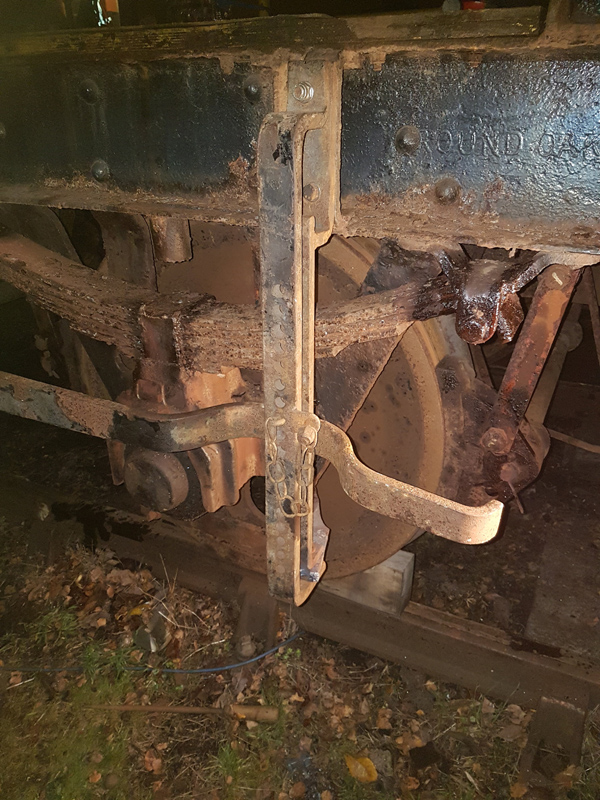
With the light fading, we began to look at the brake rigging. Most of the linkages and pivot points were sized. A few choice applications of heat and penetrating fluid was liberally applied and attempts were made to free off the linkages to no avail. The pivot pin for the missing brake arm was also removed.
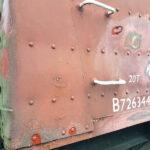
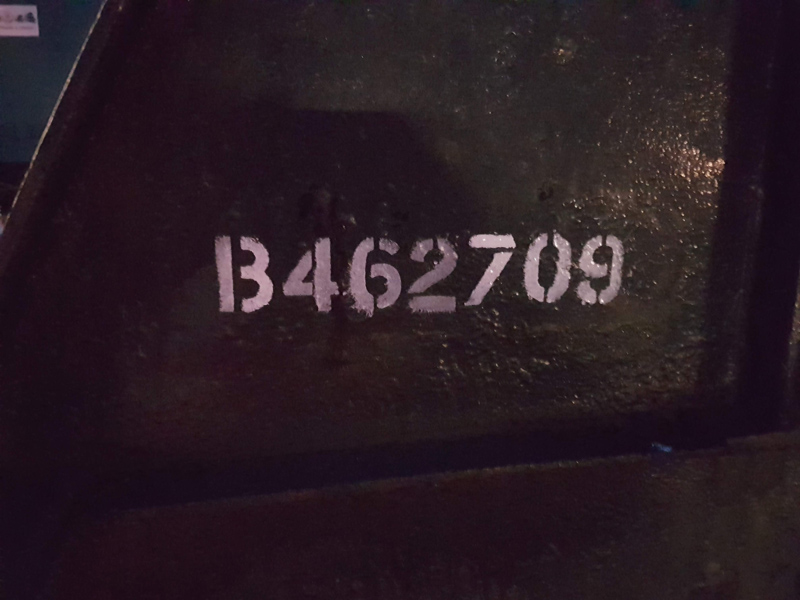
Final Job for Saturday was the application of the running number.
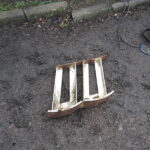
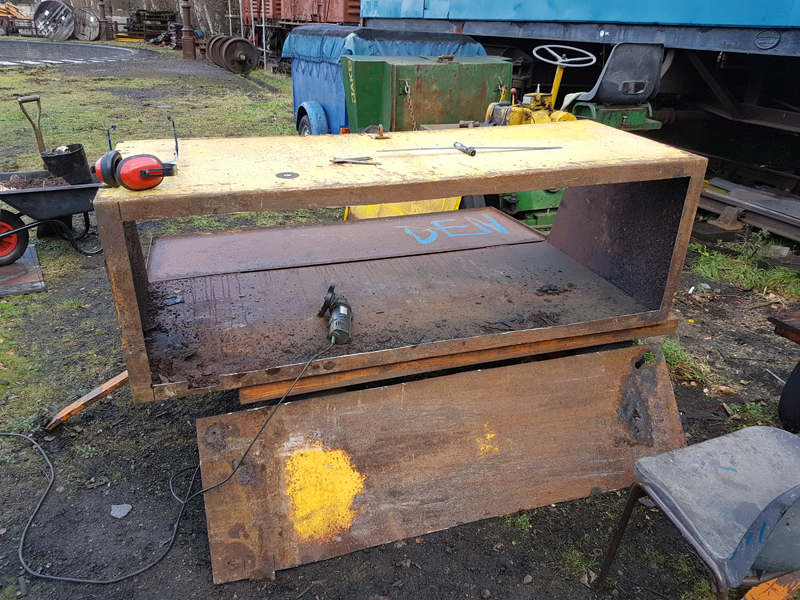
On to Sunday and I completed the removal of the redundant Stepboard support. As well as the remains of the Wagon clips. After which I removed the bottom of the toolbox as this had become rotten as it was used to store rock salt I also scraped and cleaned the inside of the box. This will be receiving a new wooden bottom and will be fitted to the wagon with an air gap below.
Nick and Ross systematically freed off, removed, cleaned up and refitted all of the linkages, pins, and pivots of the brake rigging.
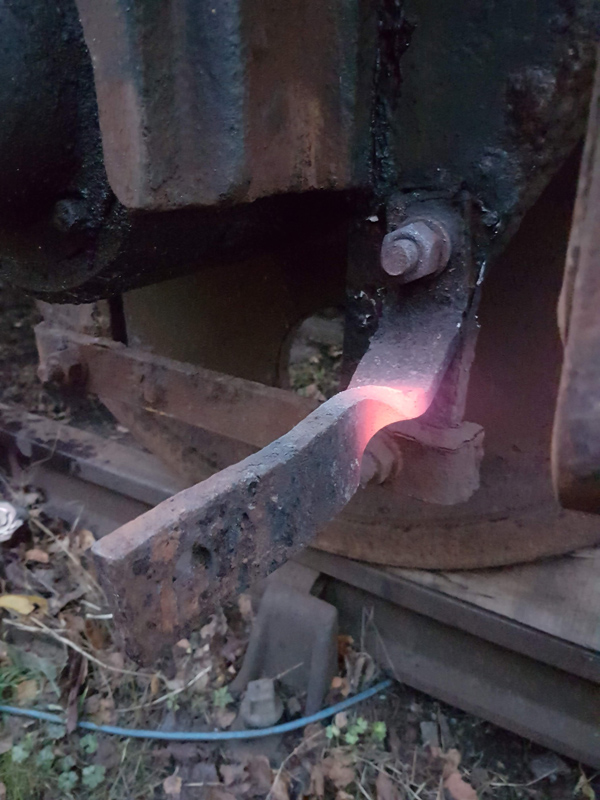
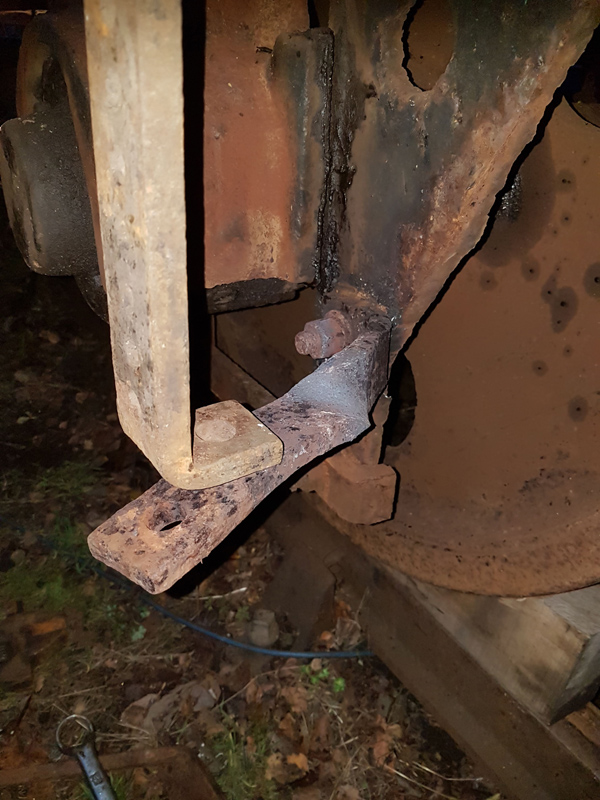
Once complete our attention turned to fitting a brake lever and pin rack, we used the bracket on the W iron that held the footboard with a little adjustment. It was heated, twisted and hammered into position. With the lever fitted this results in an operational handbrake, although for the time being only from the East side.
The vehicle can now be moved, braked and can be identified. More to do next weekend.