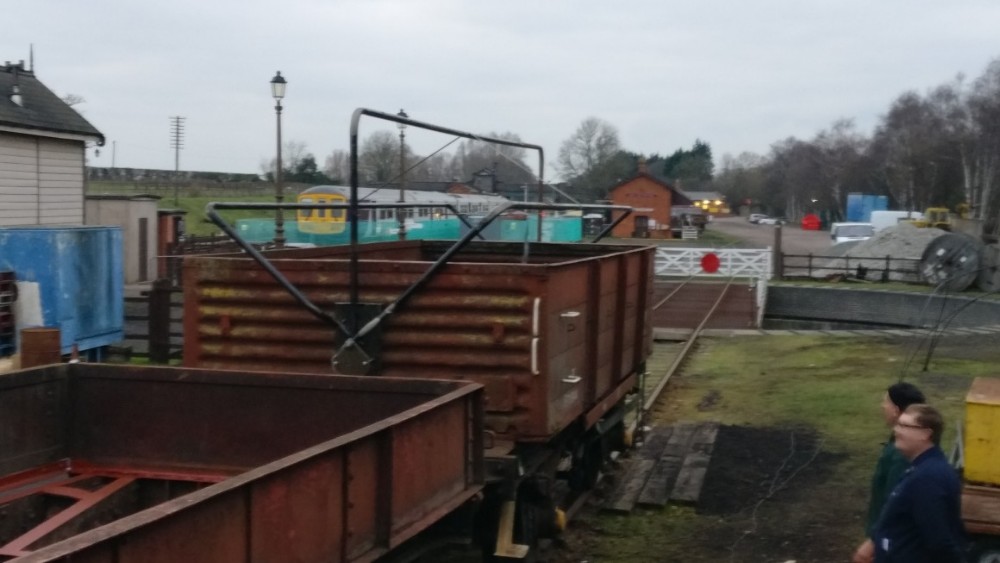
Author: rloades109

  • 28/04/19 -Operating arms and bases

    Good morning everyone and welcome to another update from Quorn. This weekend, we have finalised work on the LMS van and continued the overhaul of another 18″ wagon cylinder. We have also begun to strip out the interior of the Yellow Coach so that bodywork repairs can begin.

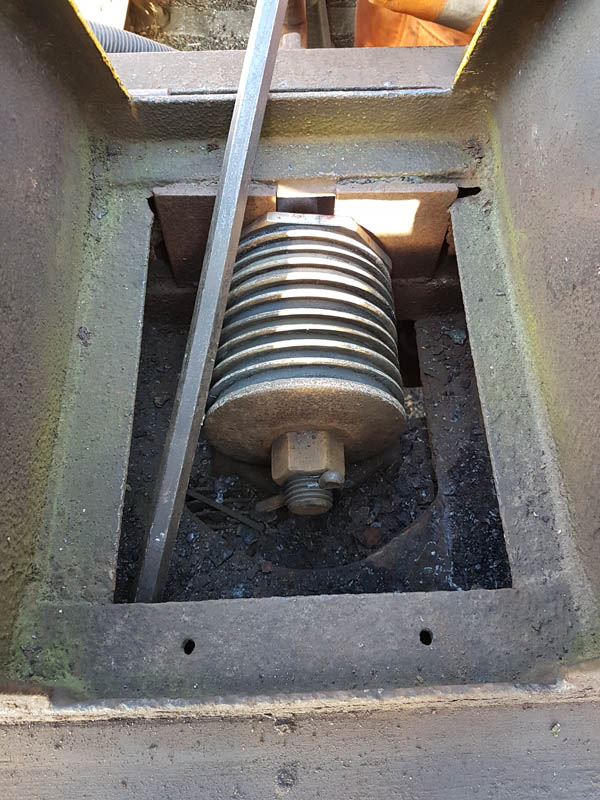
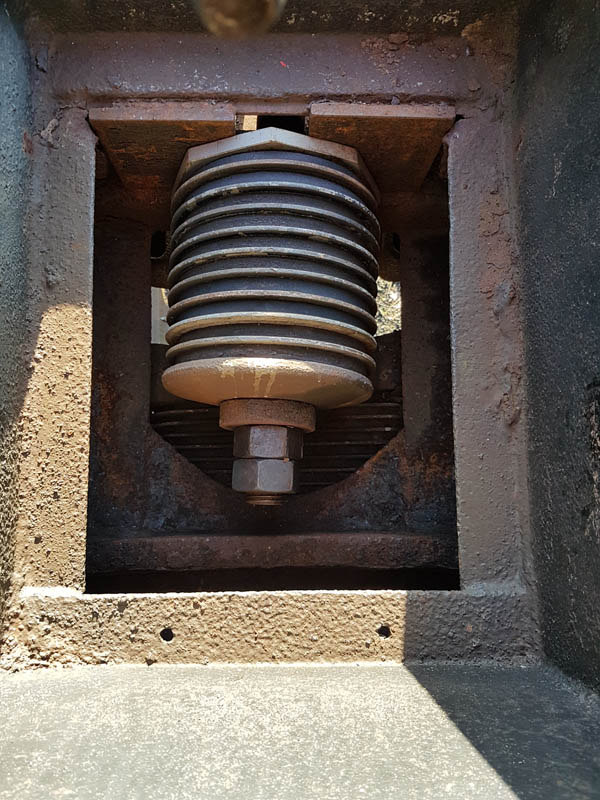
    Nick, Jake and Olly continued to refurb an 18″cylinder, scraping, wire brushing and abrading most surfaces of the components. The cylinder is a Westinghouse affair and has some detail differences between it and a ‘BR’ one, most notably the piston doesn’t have a ball valve in it. In our spares ‘department’ we only have E- Type release valves, which fit the standard ‘BR’ cylinders. The one for this cylinder has a ball valve as part of the release valve, which we don’t have one of currently. Perhaps there will be one in one of our box vans.

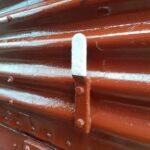
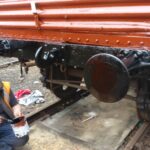
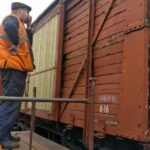
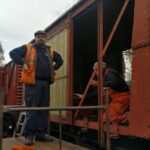
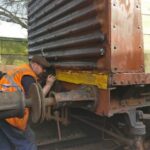
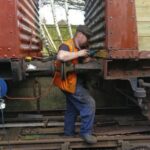
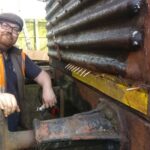
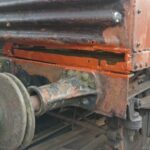
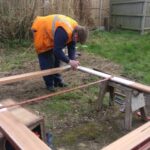
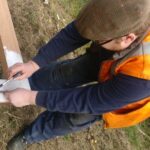
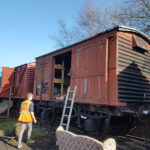
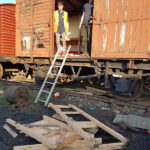
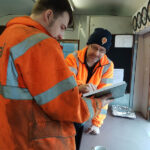
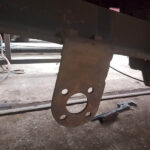
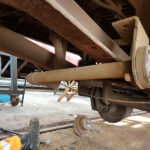
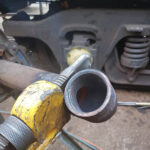
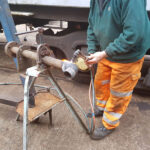
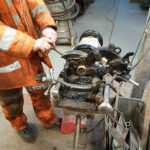
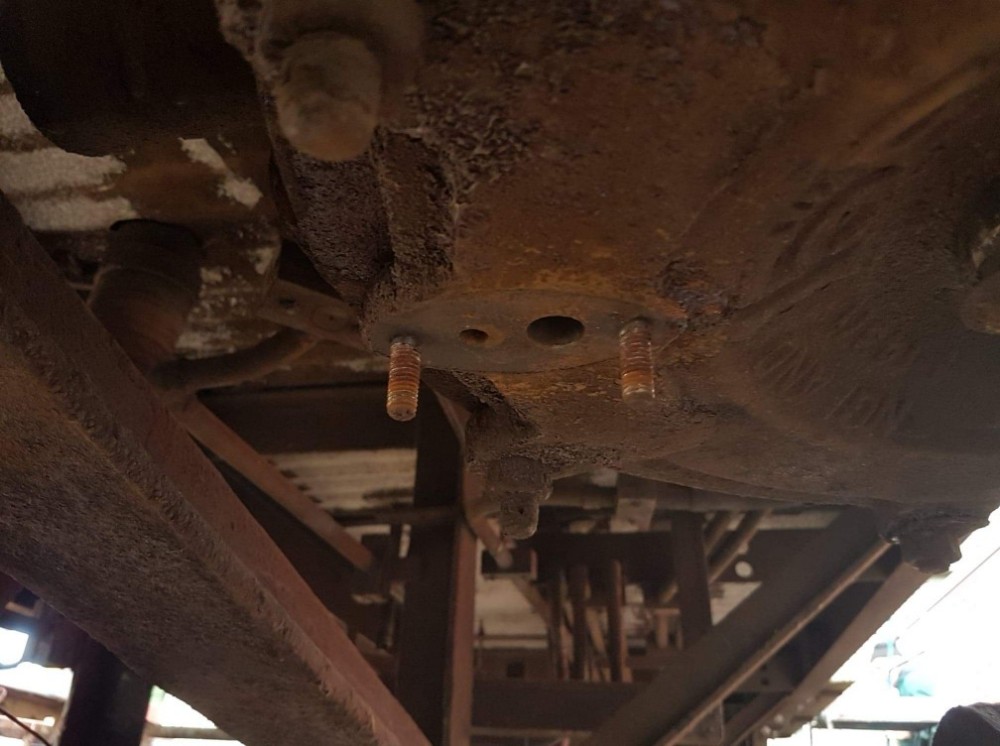
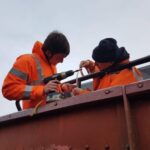
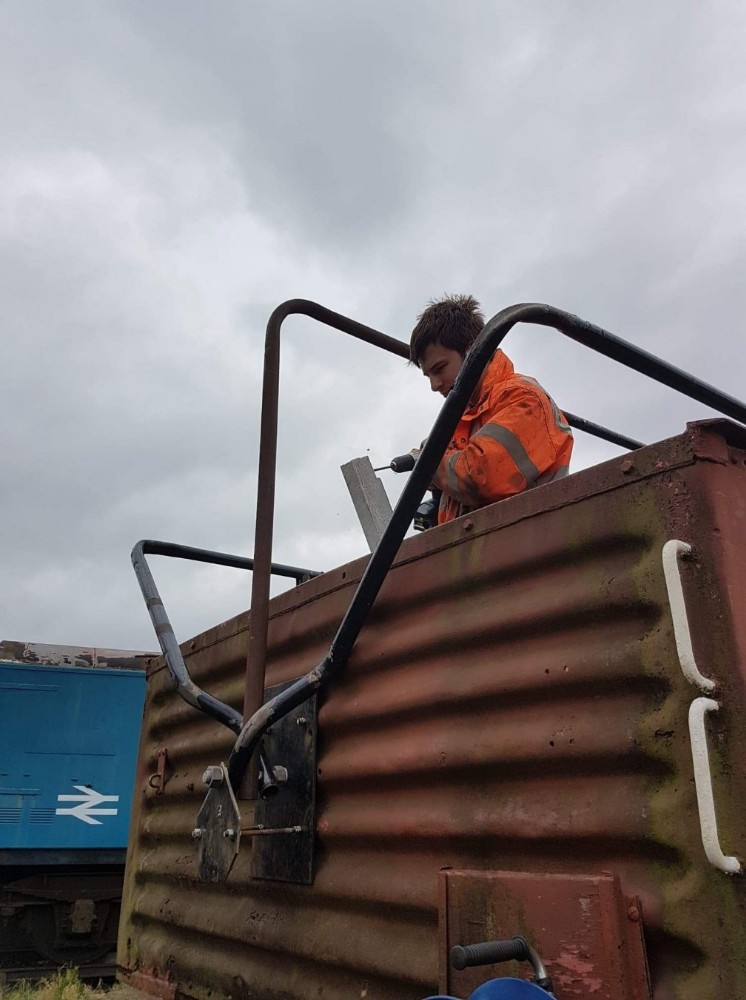
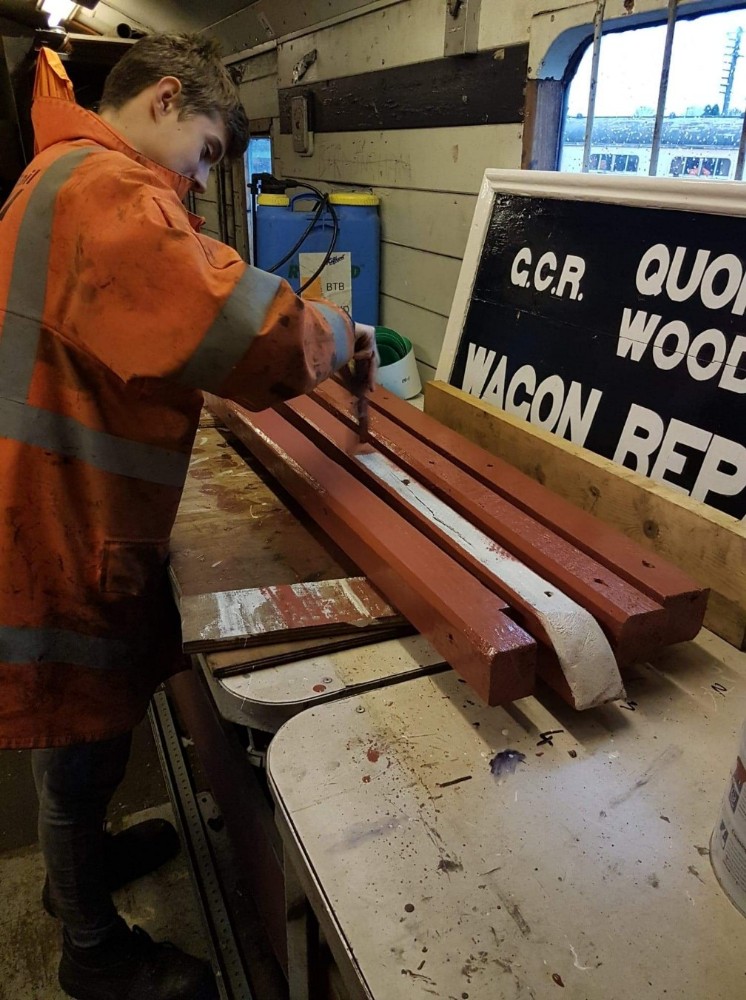
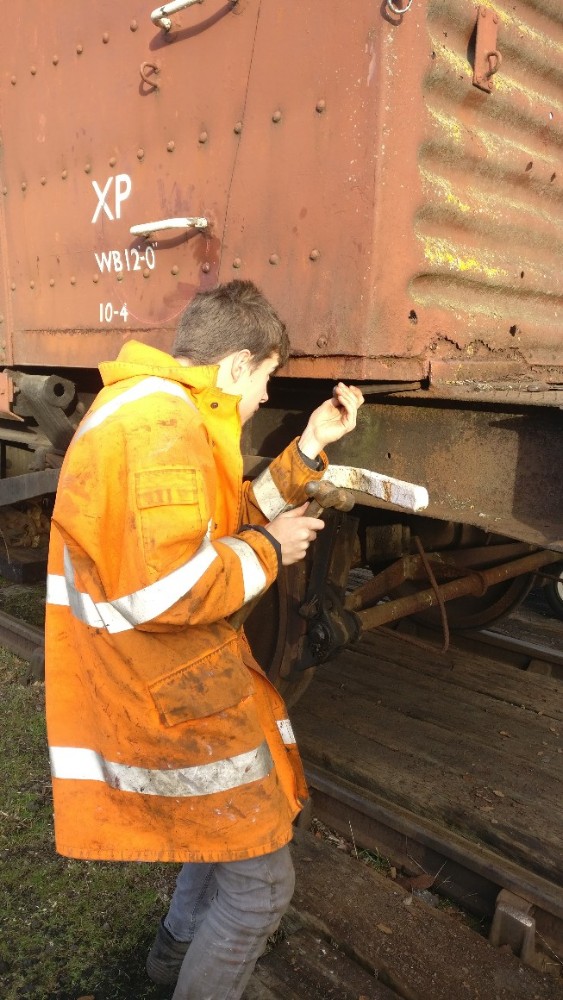
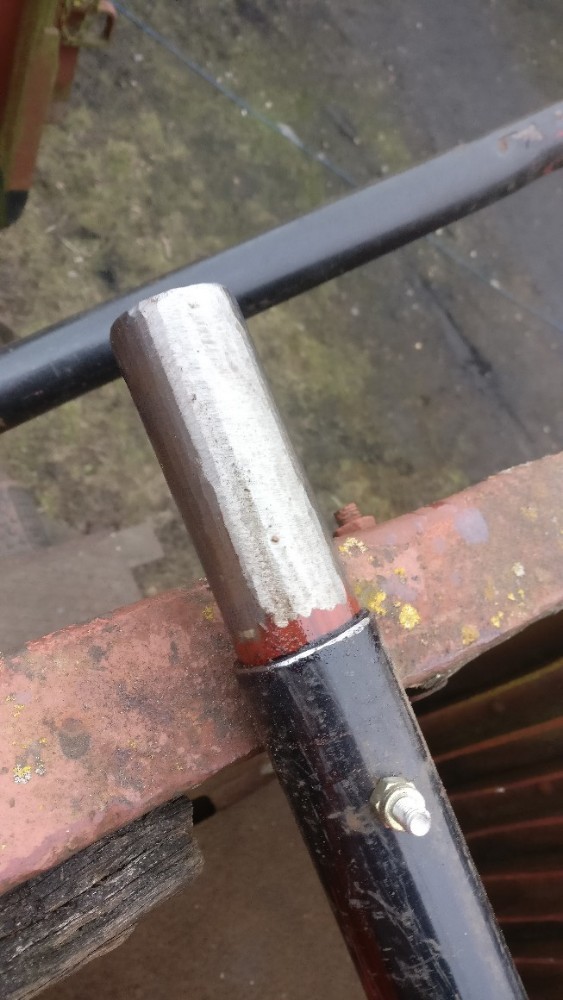
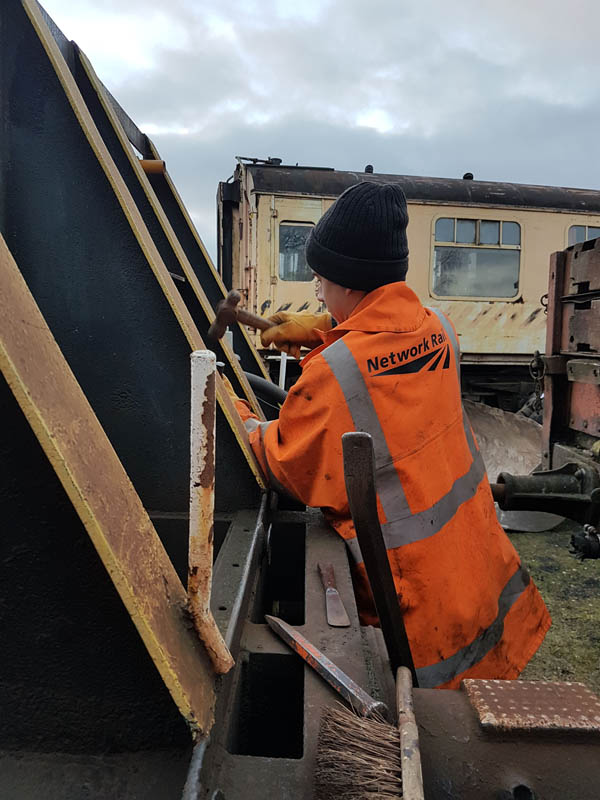
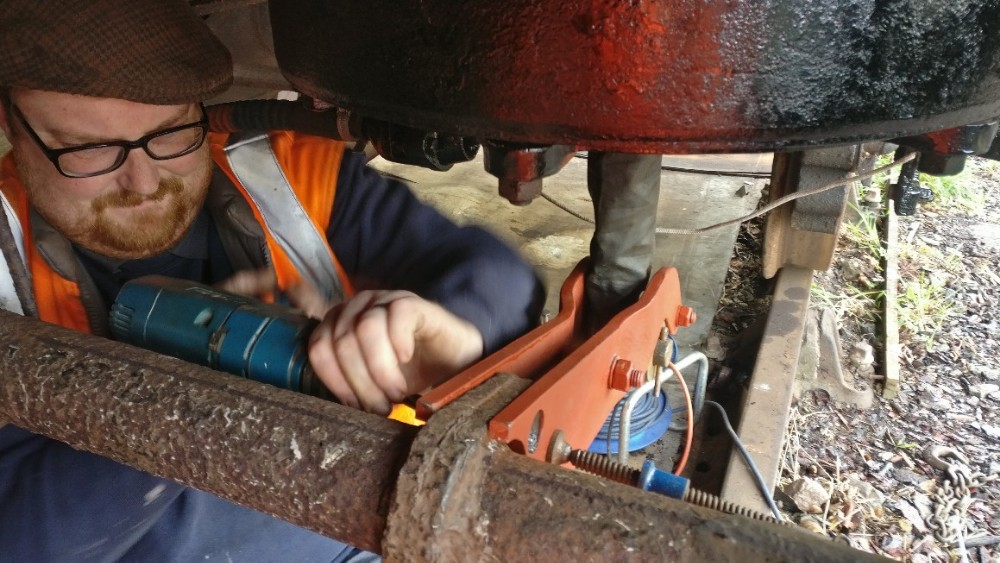
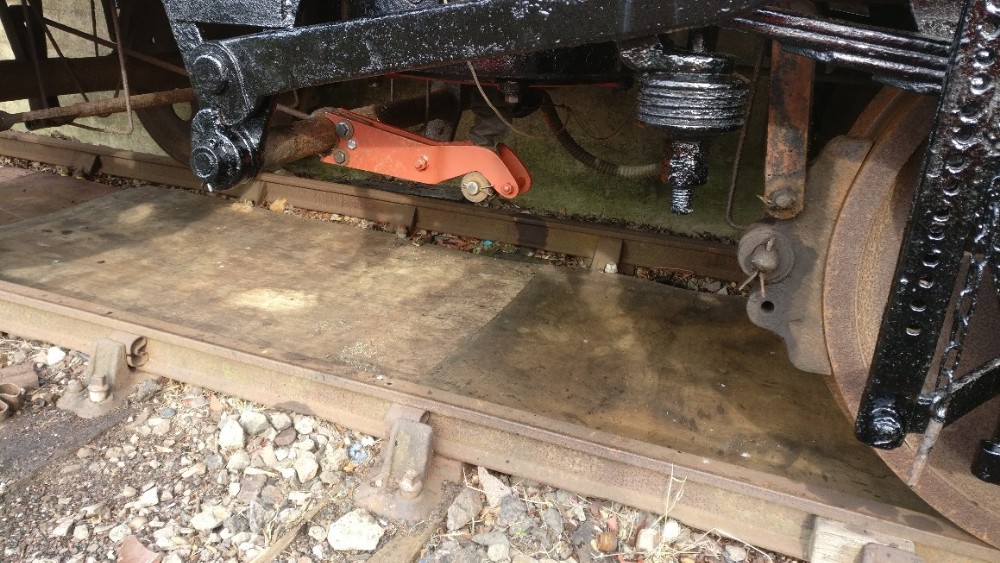
    Whilst Nick and the lads continued their work on the cylinder, Matt and I got stuck into the operating shaft of the LMS van. The arm extension that Matt had designed, and ably manufactured by Mick Carr at Loughborough (thanks Mick!), is designed as a bolt on extension to the stub left on the cross shaft. The ‘old’ arm was a rather soft steel, so drilled quite easily when one found a sharp drill bit. Sadly, not many of our drill bits are sharp so Matt racked up quite the kill count for drill bits this weekend.  He also left 2 drills smoking. I can’t say much though, as I broke a tapered reamer. Ouch! After a lot of struggling, the arm was fitted and tested. There was a slight rotation of the arm relative to the shaft, but we plan on having the arm welded where possible to increase rigidity.
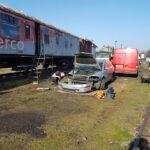
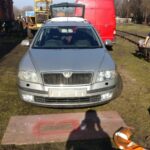
    wp-1556523118173151295078350533271.jpgwp-15565231183806725555382291472951.jpg


    [wpvideo mkY1PrKf]
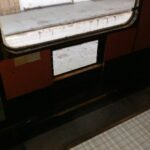
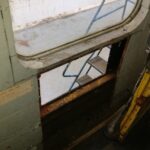
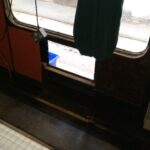
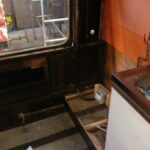
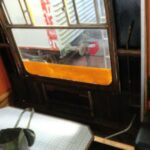
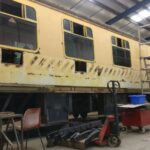
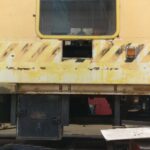
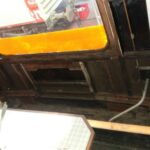
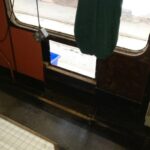
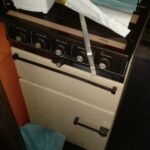
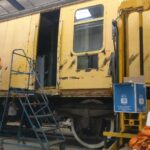
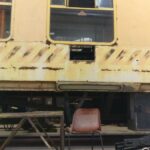
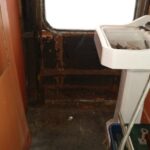
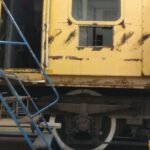
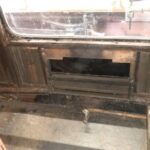
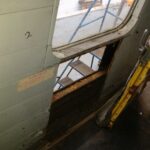
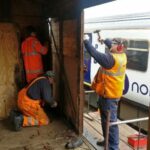
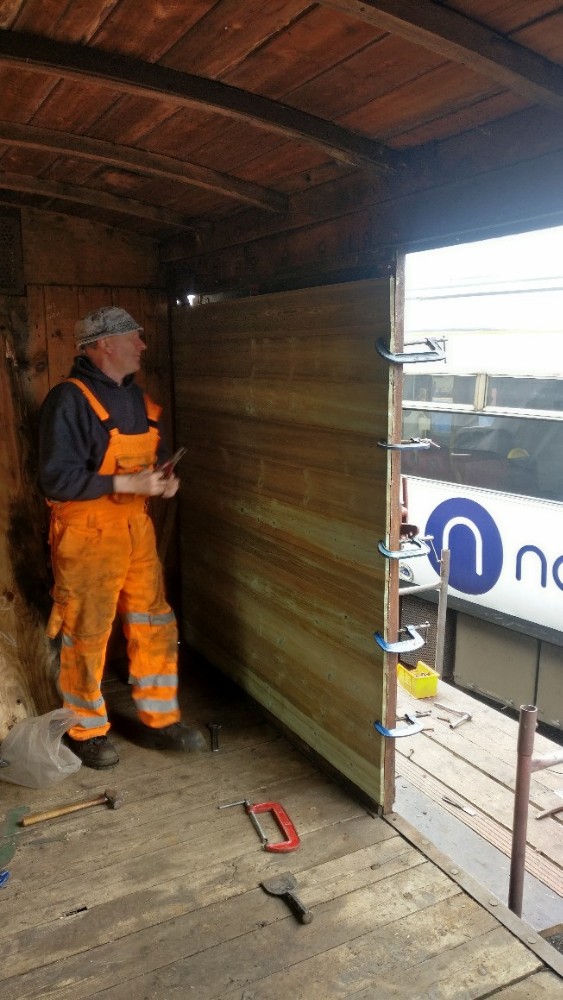
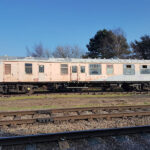
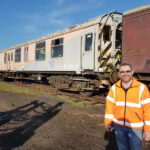
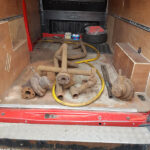
    On to Sunday, and a change of scenery. A while ago, our mess vehicle, the Yellow Coach was shipped off to Rothley for some very much needed bodywork attention. Jamie and Pat have now surveyed the vehicle (and affectionately named it Booths) and told us where we need to strip to reduce the fire risk when it comes to cutting out and welding. Matt and I stripped out all the body-side gas heaters, which we don’t plan on using again, and Nick and Olly started to remove the panelling around the window in the first class toilet, where whoever had fitted the plastic window had used steel machine screws in the aluminum window frame. Brass machine screws should have been used. The body-side heaters put up very little resistance and made their way to the scrap pile. Matt then concentrated on one of the mess area windows, and I set upon the kitchen. The fridge was disconnected and removed, and the oven received a similar treatment. The wall cupboard was cleared out and removed, and then I set upon the body-side wall paneling. The kitchen has an electric heater under the window. I disconnected and removed this and discovered historic fire damage on the wall behind it. When it comes to reassembly, we now have to opportunity to give the kitchen a deep clean.
     

    We left Rothley with items we had wanted to keep from the yellow coach and returned to Quorn to tidy them away. Matt also took some time to admire his work on a sign he is working on for Renaissance Rail Cars.
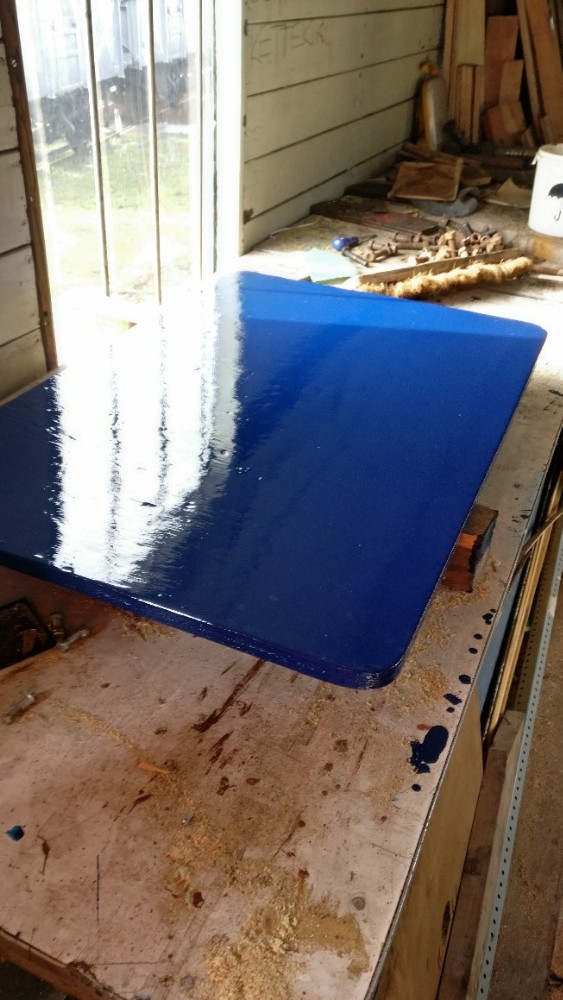
    wp-15565231174547402620111642014105.jpg

    Thanks for reading, and join us again next week for some more adventures of the wagon variety.
  • 07/04/19 – Getting round to the end

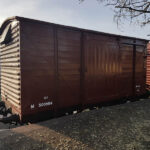
    Thanks for joining us for another QWW update. This week we have been working on progressing the LMS van, M500954. Those of you who follow our Facebook page will already know that on Monday, Matt had popped in after this early shift at work to signwriting the still drying van. The van is now signwritten, but will receive its XP rating once the vacuum cylinder is refitted as intended.

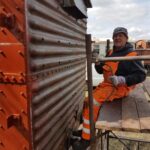
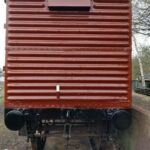
    On to Saturday and Nick and Matt began by finishing scraping and wire brushing both ends of the van. The north end required a capping wood trimming, then the remainder of the paint removing.

    Whilst removing the paint, we found some more concrete evidence as to the van’s new number. As we have mentioned previously we settled on 500954 as it was the most likely number from the disposal list of 1000 vans. The van was recorded as withdrawn at Barassie works, and its final location recorded as Inverkeithing. This is the only van of those withdrawn at Barassie that wasn’t broken up there, and it ended up 1 mile from Inverkeithing as an internal user at MOD Rosyth.

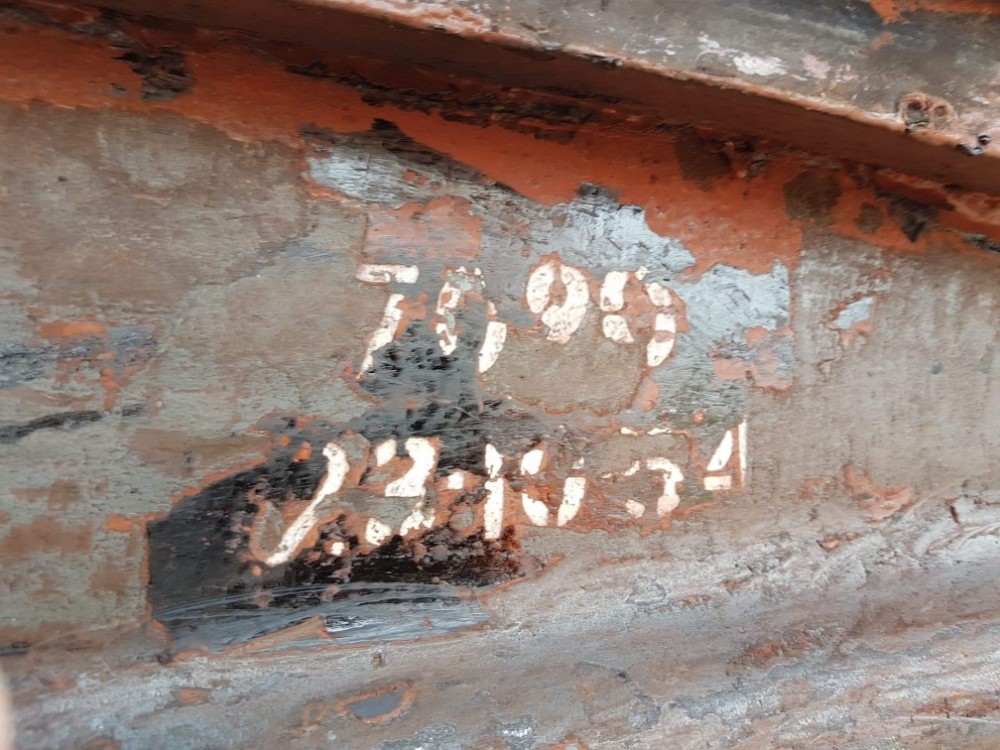
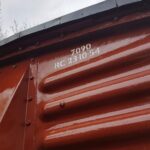
    Getting to the point, we uncovered the roof covering date: “7090; 23.10.54”. The depot code for Barassie is 7090 in the 4 number code system. This confirms the van was in Scotland towards the end of its revenue earning service. This we know, as the van was withdrawn at the same works in period 8 in 1967. It was then recorded at Inverkeithing in period 13, 1967.

    wp-15545851386814579001820699400838.jpg

    Once the ends of the van had the paint removed and wire-brushed, I set about applying primer, then undercoat and then top coat to the ends. Whilst I was doing the north end, Matt and Nick fixed the buffer identified as loose last week, which involved an item we have stored in the corner of our tool van, but never once used; a buffer clamp. Usually, we would pin the wagon down and then compress the buffer using the forklift.

    On to Sunday, and with it I found myself out of action performing repairs to my car for a forthcoming MOT. I was on site however should any assistance be required. Matt and Nick set about scraping the tin roof of the LMS van clear of its flaking paint, and applying a coat of bitumenous paint.

    Matt also reapplied the roof covering date to the north end of the van were it was found. He also picked out the lamp brackets in white, as this is intended to be a fitted vehicle. Finished with the roof, Matt and Nick set about using up what was left in the bitumen tin by painting the south end headstock.

    I’m now signing off for 2 weeks, as I am again journeying to Greece. Join Matt again next week for more tales of the LMS van story!

  • 24/03/19 – First (spray) Paint

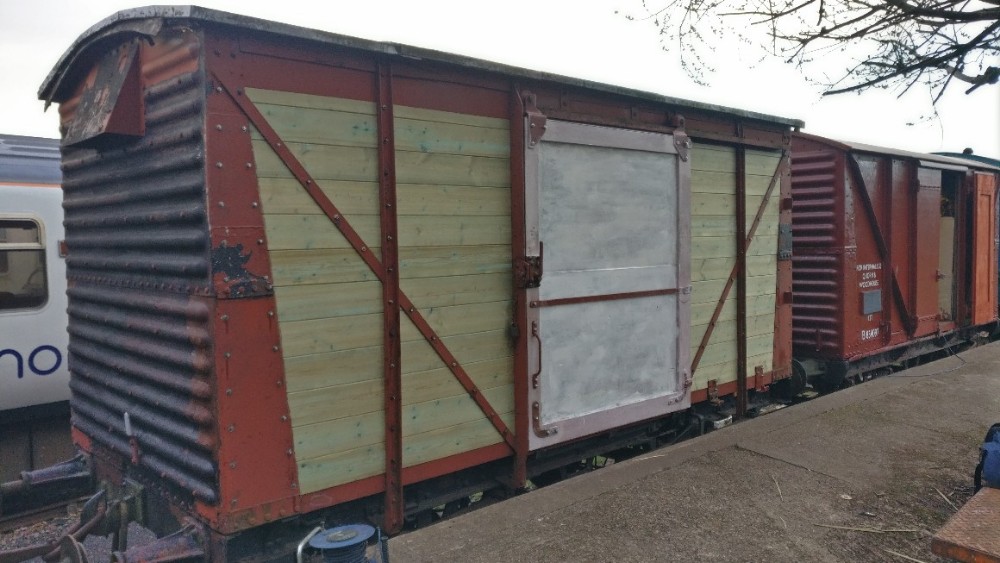
    Thanks for joining for another update! Work this week has continued on the LMS box van. Last week, it was left with 5/6 side sheets replaced, so this week we completed the re-cladding of the van. When I’d arrived, (admittedly later than usual) Matt and Nick had undone most of the bolts holding the remaining cladding to the vehicle. Once the internal cladding had been removed, the planks were removed.


    The door on this side of the van has always been stiff to open, so with the side out, Matt began to investigate why.  He began by removing a bit of angle iron that was rubbing on the door, a sort of steel draught excluder.  This helped, but didn’t completely solve the issue. With Matt out of the way, Jake cleaned and painted the backs of the steel uprights, in preparation for putting the boarding back in.
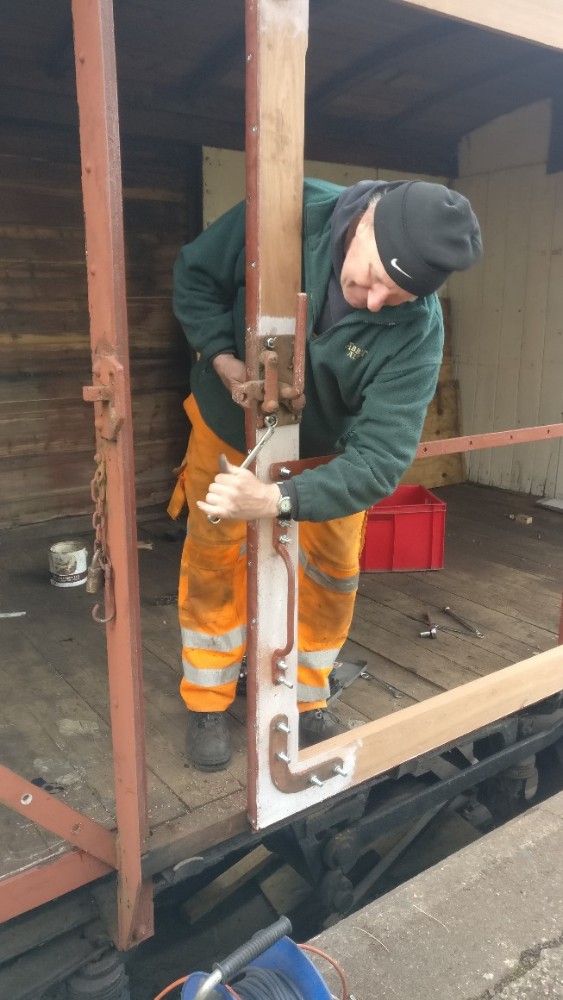
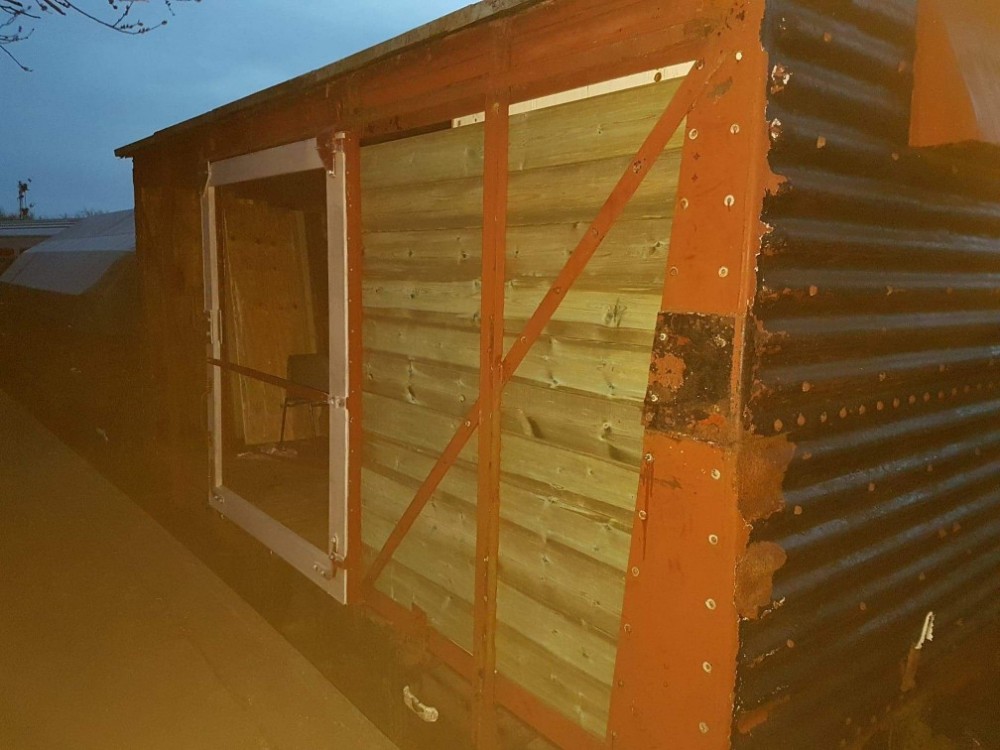
     

    Once started the cladding came together extremely quickly; a blink and you’ll miss it moment!

    wp-15535001652288240665825837648243.jpg

    As with the other corners, this was then fixed into place. Matt, meanwhile, began repairing a hole in the van’s end pressing. As mentioned before, we don’t have the ability to weld in the south yard, so any metal repair has to be bolted or riveted. Matt spent his time in the RAF as an Airframe technician, carrying out riveted repairs to Nimrod airframes among other things. Using the skills honed in the RAF, Matt set about fabricated a patch to go over the lack of metal at the bottom of the end pressing.


    As Matt was at the Bluebell Railway on Sunday, Nick and I finished up riveting the plate into position. Also on Sunday, Jake continued his practise at using the spray gun, and both he and I got both van sides into wood primer. Whilst we tackled the Dock side, Nick continued fettling the reluctant sliding door on the west side of the van, and sealing the side of the van.


    The painting and the door fettling completed, we turned our attention to the Shochood B and Medfit’s vacuum system. At some point in the past, unknown to us, these vehicles had had their vacuum systems isolated, so were effectively running through piped. We completed the system, and began to diagnose. Nick gathered together some branch pipes and set about reconnected the cylinders. Doing this first step allows us to diagnose the vacuum system, and see where we need to next turn out attention to. That done, I freed the vacuum test rig from the corner of the tool van, and assemble its hoses to begin testing. results from the testing are as follows: the Shochood B requires a new vacuum hose at the south end, and the Medfit requires 2 new hoses and a cylinder overhaul. Though we are thinking about a quieter test rig! (ours is powered by a Lister-Petter diesel engine, so an electric motor probably won’t go amiss!)

    Thanks for reading, and who knows what we’ll be doing next week!

  • 11/03/2019 – Framed again

    Good morning everyone, and welcome to another update from Quorn Wagon and Wagon.  This weekend, we have continued to work on the LMS box van.  At the end of last week, we had stripped the side from the van and removed the door frame for patterns.

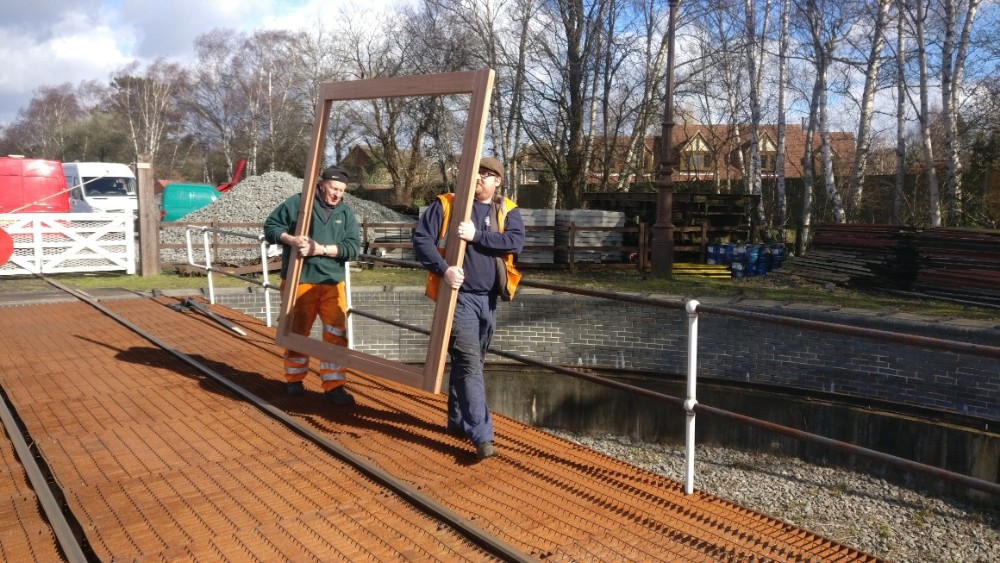
    On Saturday morning we took delivery of the new side planks for the van from Harlows timber merchants. These planks have been pressure treated, so should stand up to the beating the weather throws at the body sides. We also took delivery of a new sliding door frame, ably carried by Matt and Nick.

    wp-15522899225777432063831640314855.jpg

    So the day begins, we began by building up the door frame with all the bits of steel framework to enable the door to be refitted to the van. Taking advantage of the good weather, Matt and Nick set up shop on the dock. Before mounting anything to the frame, areas where things were to be mounted had a generous coating of wood primer. A tea was consumed to allow the paint to dry a little bit, and then the top and bottom angle irons were fitted.

    Then the side frame was added, which governed the placing of the rollers at the top of the door, and the corner reinforcing pieces at the bottom.

    What was I doing whilst Matt and Nick were readying the door? I was repairing some other doors, as fitted to another Transit van. I replaced locks on the load space doors, and then sat in the warmth of TC2 and repaired the rear door wiring loom. Once I’d fixed the central locking, I assisted Matt and Nick with the rehanging of the sliding door. We’d managed to slide the door on, but some adjustment was required to allow the door its full range of movement. Last thing to fit to the door was the latch.

    wp-15522899229256243471412458871704.jpg

    Just before hometime on Saturday,  Matt painted the door frame and rebates in wood primer and part of the side ‘fell’ in.

    wp-15522900128594679823104408427669.jpg

    On to Sunday. Before I had got there, Matt and Nick (in between perusing the Swapmeet) had fitted the south side planks. Both end required a filling strip, at the top of the cladding, which I set myself up in the GUV to make. These were slid in, and then a team of Dave, Jake, Matt and Nick set about bolting the side planks and internal cladding to the van side. Whilst they did that, I cut out the plywood back piece for the sliding door. The vertical front planks screw to this backing wood, so this task readies us for next week.  Nick, using the angle grinder, cut off the end of the bolts that were considered too long, whilst I was inside screwing the backing boards to the door frame. Now the sides are in its a bit dark in there! Jake finished the door off by painting the front face of the plywood in wood primer.
    wp-15522899227674054112798316505518.jpg

    Next week, the door planks will be added and the side planks painted with wood primer (weather dependent). Then onto the other side!

    Thanks for reading!

  • 24/02/2019 – Getting Ready…

    Welcome to another weekend update from the team in Quorn, featuring some unseasonably warm weather! This weekend we have started to come back to normality, back in our pen in the south yard at Quorn. During the week Test Car 2 and the CCT were stabled back in the Up Reception South (thanks to the Ops team), with the Yellow Coach being taken to Rothley for its much-needed bodywork repairs, courtesy of Jamie and Pat at Rothley (Thanks in advance guys!). More on that will be covered in later updates.

    This weekend has seen us get ready for the coming year, with stuff being tidied and shifted around (yet again!). Having the CCT delivered has meant that we could empty the ex-Windcutter Group stores van, M500954, as well as move some items from the GUV.  The LMS van begins its journey through a reclad and repaint for it to join the van train. The intention is to refit the vacuum to this vehicle, which we are beginning to sort out components for.

    As the CCT is no longer being retained for as the fire van, we carefully removed the IBC cubes and relocated the firefighting equipment to one end of the van. This allowed us to transfer all items from the LMS box van into the CCT. Once all items had been removed, Jake started taking down the internal racking, which has been retained for redeployment; after all, we can’t let things go to waste!

    I assisted Jake with this, once I had replaced the front bumper of my car, which had sustained some damage from a Muntjac deer one Saturday evening last winter.

    Also on Saturday, as part of some fireman training, the box van train had several trips, which saw the use of the Southern brake van, which was also removed from the South Yard during the week.

    [wpvideo NSdFWrMb]

    Sunday morning rolls around, and with it bring us a special guest! We were pleased to reunite Dave Bower with Test Car 2. Dave used to work TC2, among other vehicles, during his time working for British Rail Department of Mechanical & Electrical Engineering from 1983 to 1994, and then for Serco until 2008. In this time Dave was involved with over 700 tests on new build vehicles as part of their acceptance to the network or investigating modifications to existing vehicles. Dave has also written a fantastic book, Rail Vehicle Testing (link on our Links page), which details the tests of which he was a part of,  why vehicles were tested, and information about the Test Cars among other subjects. Dave was able to show us how the coach worked, and some finer details of its conversion (including any questions we had) and told us a few stories of his time working the coach. Thanks for coming along Dave, and we hope you had a good day; as we certainly did!

    Other tasks undertaken today included reuniting parts of the tank with the tank, and finding and cleaning a fridge to use in TC2 whilst the Yellow Coach is away.

    Next weekend, we plan on starting to strip down the dock side of the LMS van in readiness for its reclad; and we shall continue to tinker with Test Car 2. Thanks for reading!

  • 10/02/2019 – QXA to QXX

    Welcome to this weekend’s update from Quorn Wagon and Wagon’s Rothley outpost. We have again been working on Test Car 2, in preparation for its move to Quorn as our temporary base.

    Work this week has concentrated around the vehicle’s vacuum system. Last week, we were able to prove that the vacuum pipe was intact as a throughpipe. We started off by digging out some spare Direct Admission (D.A) Valves and sections of specially shaped pipework out of the van train from storage. This pipework fits into the tee joint from the main vacuum train pipe and drops them down to the D.A valve bracket next to the Vacuum Cylinder.


    Firstly, We removed the bungs from the tee pieces in the train pipe and connected the first section of downpipe to the Crane coupler.


    One end had a frame fitted to carry a DOPLAR speed measuring system whilst it was based at the Old Dalby Test Track. Matt set about removing that frame whilst Nick and I trial fitted the down pipes to see where the bracket would sit. This would also show us modifications we’d have to make to the pipework to be able to fit with appropriate clearance for all components in the area.


    Both ends required no modification to the down pipe, but both had to have the mid section and final sections altered to allow for best positioning on the coach.


    The electric pipe threader made light work or altering the pipes and by the end of Saturday we had managed to effect a brake application on the North end of the coach.


    [wpvideo SNR7zkkf]

    We found that whilst the brake applied satisfactorily (first time since 1991) they would leak off after 5 minutes. we cleaned and exercise the release valve on the cylinder. This resulted in the cylinder holding for 3 hours, after which we lost interest. Our attention then move to the south end brake cylinder.

    The south end of the vehicle is fitted with reduced diameter cylinders on both the vacuum and the air braking system.  This means that the vehicle has a reduced brake force reducing the risk of the wheelsets locking up as this end was fitted with tacho counters for distance measuring during tests. We found that the brake cylinder again applied well, but released after only 1 minute. Initially, we suspected the release valve, so changed that for a spare. this did not rectify the issue, so we then replace the DA valve. This hasn’t rectified the issue, so no the cylinder is suspected. This will be replaced in due course. Matt remains confident in the air brakes of the coach, after its final movement to the loading pad on the Test Track.

    wp-15498212111856965689911934894917.jpg

    Work didn’t just take place on the brakes. Matt has trimmed the buckeye chain guide to allow the Brake Pipe cock on the air system to latch shut. I reinforced the door frame around the lock I fitted last week. I also noticed whilst underneath the vehicle that the return spring for the south brake rigging had come adrift and was not in place. A spare was found and Matt wedged himself into the bogie and fitted it. The train lighting jumper blanking cover was found in the guards area, so Matt refitted it to the North end from whence it came.


    Thanks for reading this update, join us next week, when the saga of the vacuum cylinder continues!

  • 27/01/2019 – “I’m Postman Matt and no, I don’t have a cat!”

    Hello everyone, and welcome to another weekly update from Quorn Wagon and Wagon.

    This weekend has seen the railway host the annual Winter Steam Gala, with the van train running and the mixed freight making a welcome reappearance. We were also staffing the demonstration Travelling Post Office train, performing ground duties in the mornings and staffing the train for the afternoon run.

    Most importantly though, we fitted the sheet to the Shochood B, which makes us the proud owners of the only Shochood B in preservation! Matt collected the sheet on Friday. We have fitted it temporarily, as the best place to store a sheet is in place on the wagon. The sheet will be removed before painting. As the fitment is temporary, we’ve used cable ties to attach the sheet to the wagon. We discovered when putting the sheet in position, that one of the bars was able to jump off its prop, leaving a sharp pole. Nick and I went around inside the wagon and used some steel strapping to prevent the poles lifting off the poles.

    Matt has put some effort in and put himself together a GPO uniform to play the part of a postman from the 1960s. He also borrowed a post bike from the station to complete his image. On the TPO, Matt and I did some work to free of the letter flaps, as fitted to Postal Sorting carriages.

    Thanks for reading this small update, and join us next week for another!

  • 13/01/2019 – Winters are for Westerns

    13/01/2019 – Winters are for Westerns

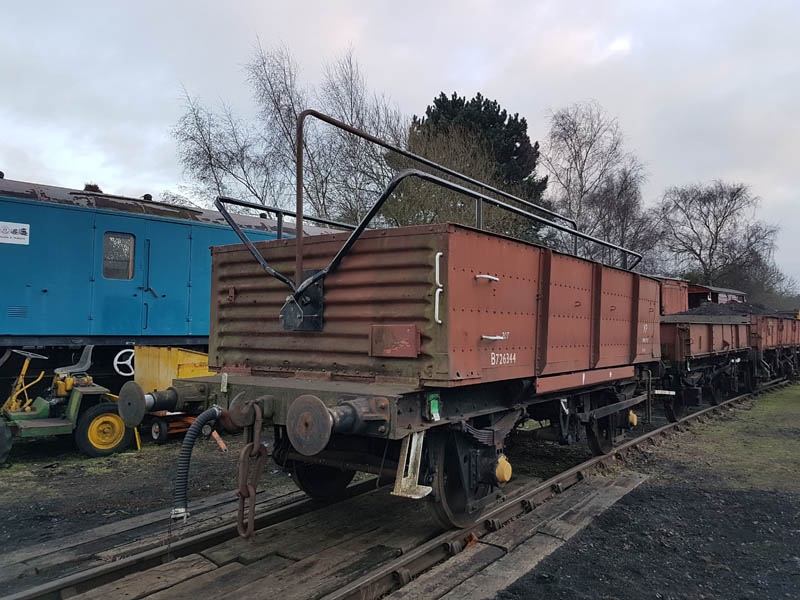
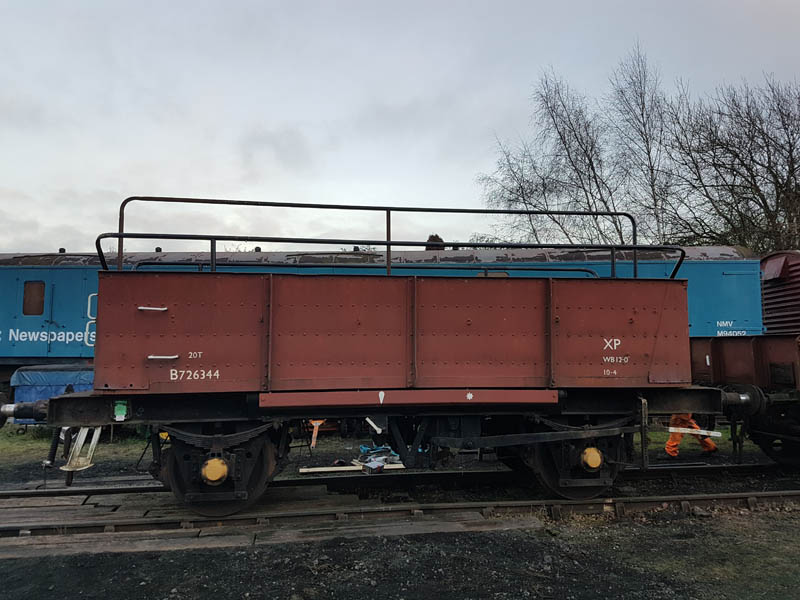
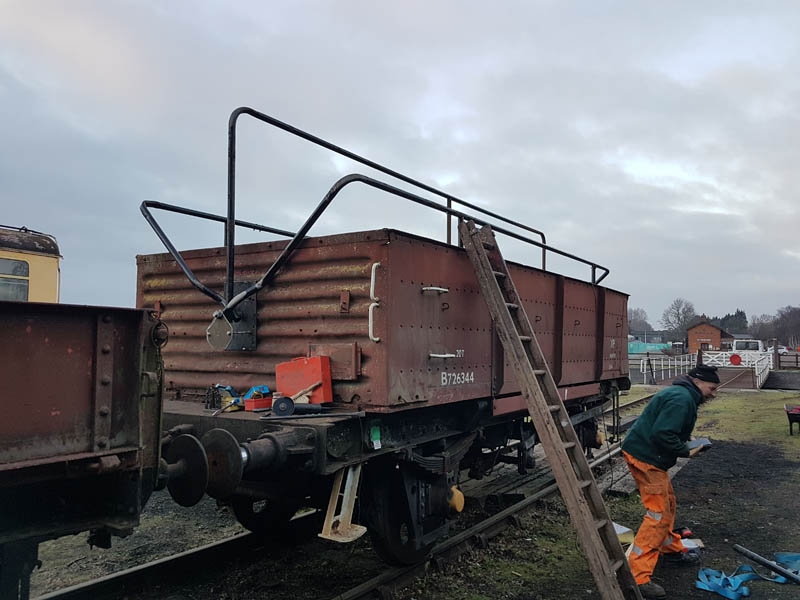
    Welcome to another update from your friendly wagon bashers at Quorn. We have again been busy reversing the Dace conversion on the Shochood B. With all four of us in attendance plenty has been achieved. During the week, Matt has placed an order for the sheet as fitted to these vehicles, so in 10 days from now Matt goes and picks the sheet up, and that next weekend we fit it. An exciting development!

    Saturday saw Nick and myself using our best carpentry skills to make more capping wood for the east side of the body. This wood prevents the sheet from being worn away by the edge of the angle iron at the top of the body. Once we’d cut and shaped these, Jake got the wood primer out to give them a coat. Jake also gave to capping wood made previously a coat of undercoat. We plan to get these ready to go back on the wagon with a few coats of gloss all over. This should help to protect the wood from rotting so quickly.

    Meanwhile, Matt had begun one of his personal missions; to reinstate the handles to the South West and North East corners of the body. During conversion, these handles were cut off and welded to the end to act as grab handles for the coal hopper style steps fitted during the Dace conversion. Matt began by cutting the handles off, and matching them to their positions on the body. As we have no welder, and an insufficient power supply (a 16A cable) to run one, we couldn’t reattach them with welds as was original. We’ve been somewhat creative and used bolts through the body to reattach the handles. This involved drilling through the nub of the handle left, the body skin, and a few partition slot guides. We also drilled and tapped holes into the handles to receive M12 bolts.

    Once Matt had finished fitting the handles, he finished the corrugated end by removing the nub of the handle and grinding it flush. Jake was then let loose with the red oxide primer to give it a coat before we begin painting in the better weather.

    Due to the weather at the start of Sunday, we began the day by tidying up and clearing out one of our storage cupboards in the Mess Coach. The first class toilet, long unused, had become a dumping ground for old Hi-Vis and various other items. This has been cleared out in anticipation of works to the coach.

    Matt continued his role as our resident Time Team expert by beginning to sand down the bodyside of the Shochood to find its regional allocation and if it had any branding.

    wp-15474106593667014501982419022618.jpg

    The weather had cleared so Matt continued his handle relocation scheme. Nick, Jake and I started to remove the rust that has built up between the body and underframe. This has built up due to the shock capability being removed, thus the body not being allowed to shift, which would have broken up the rust.

    wp-15474106585381053432687377837915.jpg

    Matt’s second personal mission of the weekend was to relocate the lamp brackets back to the body. This only leaves Matt one mission in our reversion of the Dace conversion; removal of the coal hopper style footsteps from the body end.

    That finishes this week’s installment of the quest to have the only Shochood B in ‘original’ condition in preservation. Join us next week for another (exciting?) installment!

  • 06/01/19 – Hoodwinked

    06/01/19 – Hoodwinked

    Hello everyone, and welcome to another update from Quorn Wagon & Wagon.  This weekend started with Nick, Jake and I continuing to manufacture the sheet hoops for the reversal of the Dace conversion. Unfortunately, Matt had to work, but popped in after his shift had finished.

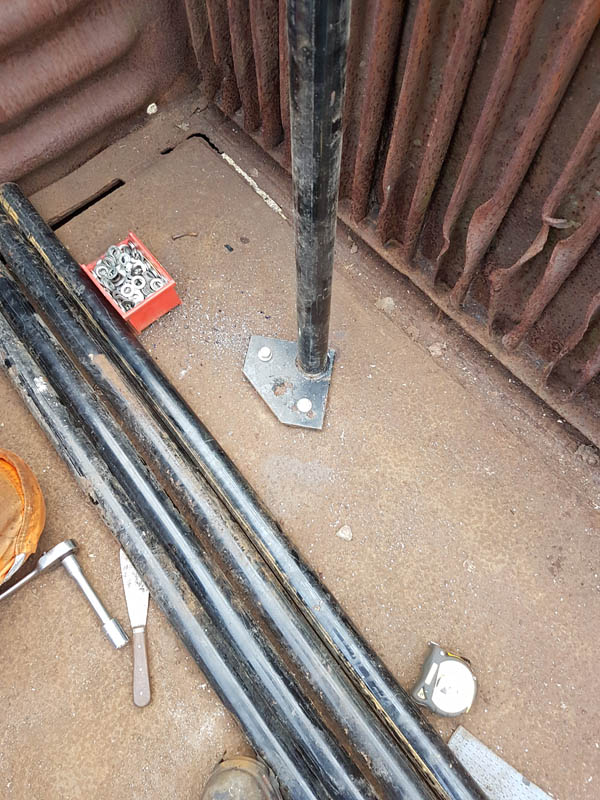
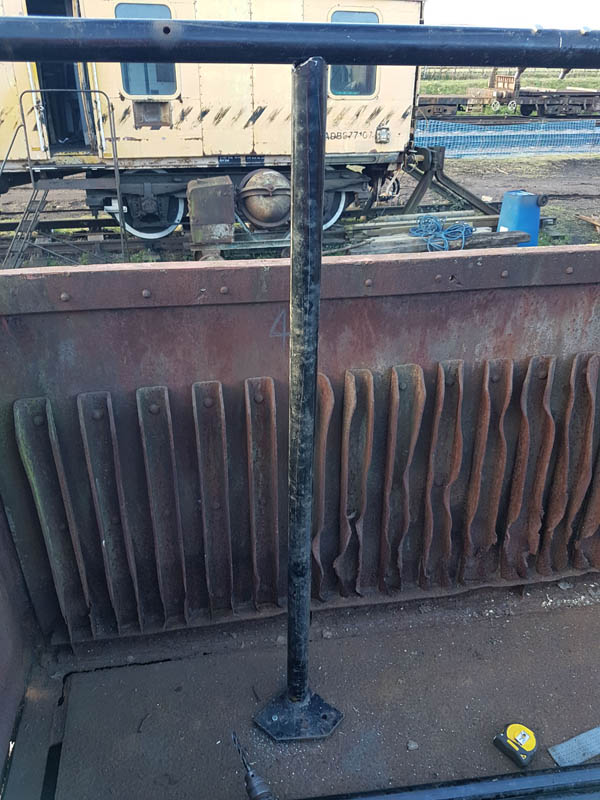
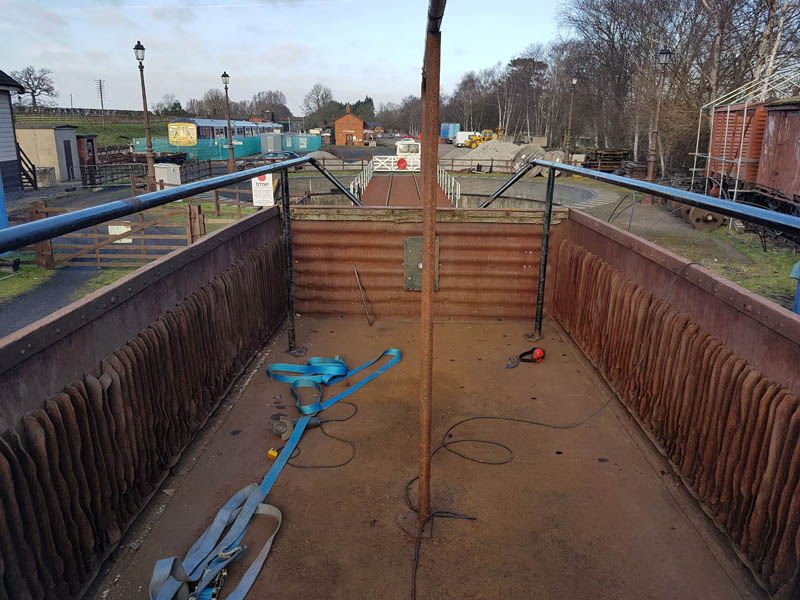
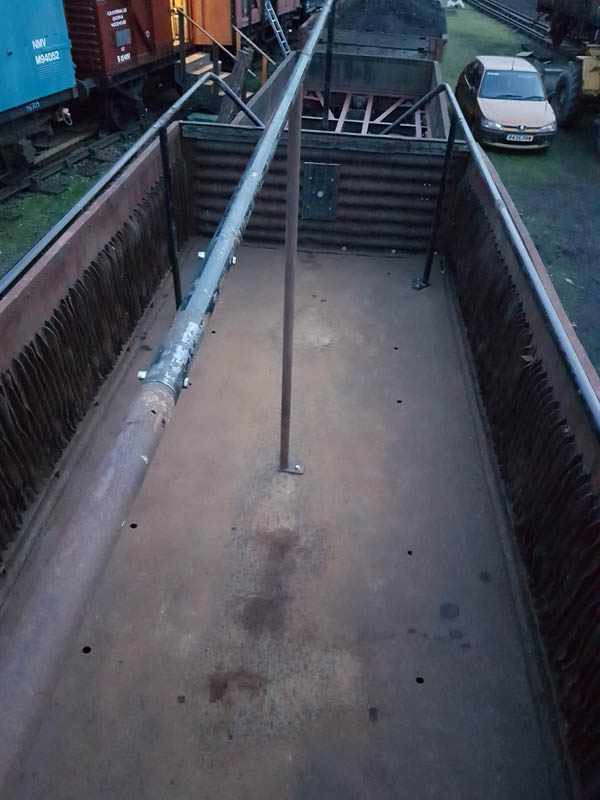
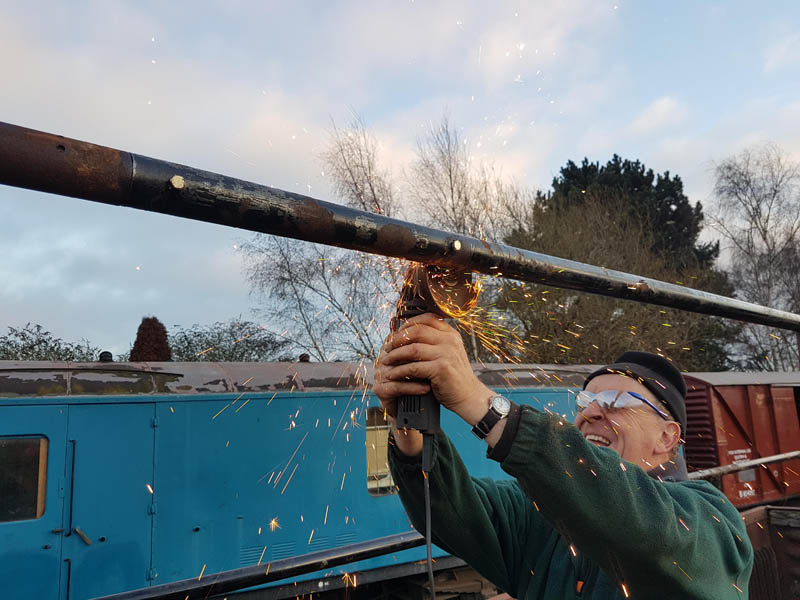
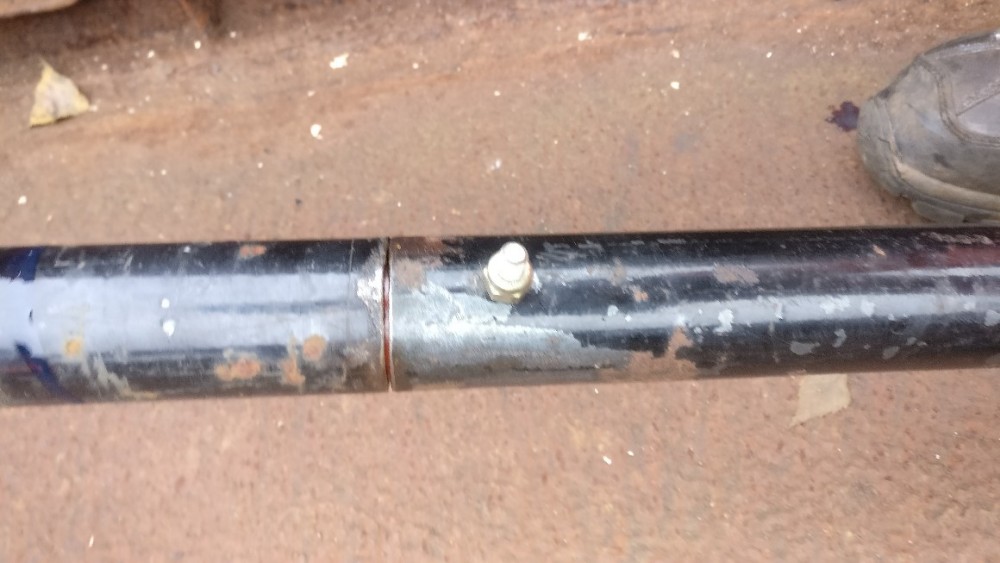
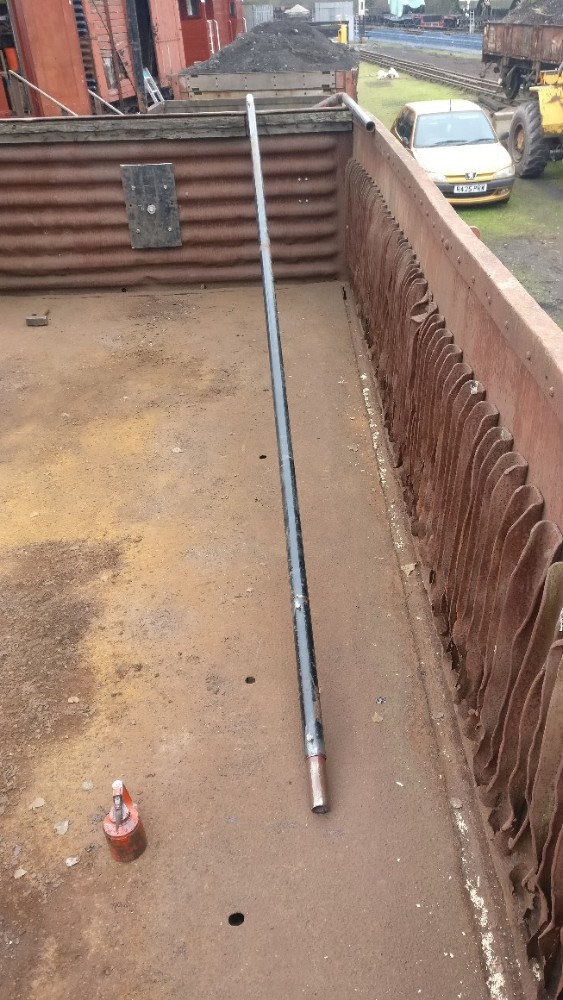
    On Monday,  Nick and Matt had manufactured the upright sections of the sheet hoops, which only left the horizontal sections which Nick and I manufactured and fitted today. The steel tubes we had rescued were in 11ft sections with a foot on one end. The foot was cut off with the angle grinder, and the end dressed. To join the bars, Nick had found some surplus steel pipe at Rothley to act as an internal sleeve. These sleeves were cut to length and ‘gently’ persuaded into the hoop tubes. We decided we should bolt the sleeves together to prevent the internal sleeves sliding into the outer hoop tube when assembled.

    Whilst Nick and I were playing with hoops, Jake continued priming the chassis of the Medfit.

    20190106_123016

    Once completed he assisted Nick and me with fitting horizontals to the hoops irons. Before lunch, the top hoop was assembled and fitted to the wagon. Jake had to go to fill his face at a friend’s birthday party, and Nick and I went to assist the Ops Team/Carriage & Wagon by removing a TSO requiring repairs from the passenger train using Rothley’s resident Class 10.

    Upon returning, we continued assembling the two side hoops. Matt arrived while the last joint was sliding together on the final hoop. We had a swift cup of tea and set about positioning the hoops as they would be under the sheet ready for Matt, Nick, and Jake to finalise and fix the positions tomorrow. Matt will continue the report tomorrow as I have to pilot a misbehaving car back home.

    On to Sunday and Jake moved back to the Palbrick, clearing out and tidying the drag boxes.  These were full of rust, moss and detritus.

    Nick and I (Matt) continued with the Shookhood hood bars.  Looking at images of this type of vehicle from the 60s and 70s it’s clear their long length posed a few issues. Many are not level and a fair few are sagging in the middle.  As this vehicle is for demonstration purposes we have taken the decision to support the bars at strategic locations to maintain the level and prevent sagging once the hood is fitted. The supports were bolted to the steel floor.

    Once the sheet has been made and fitted these supports will no longer be seen and as the vehicle travels the railway the bars will remain in a fixed location.

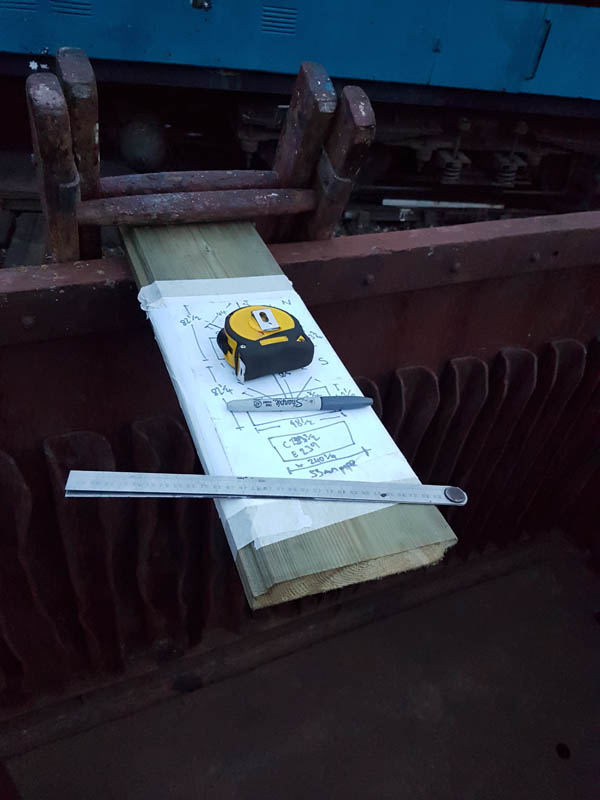
    Any protruding item that would risk rubbing and wearing down the sheet was trimmed, and the all-important measurements were taken to have the fitted hood manufactured.

    Ordering the sheet is my task for the week and by next weekend hopefully that order will have been placed.  we shall see what next weekend brings……………….

  • 23/12/18 – Wonderful weather… for shark spanners!

    23/12/18 – Wonderful weather… for shark spanners!

    Welcome to another update from us lot at Quorn. This weekend has seen routine maintenance take place to the running fleet.

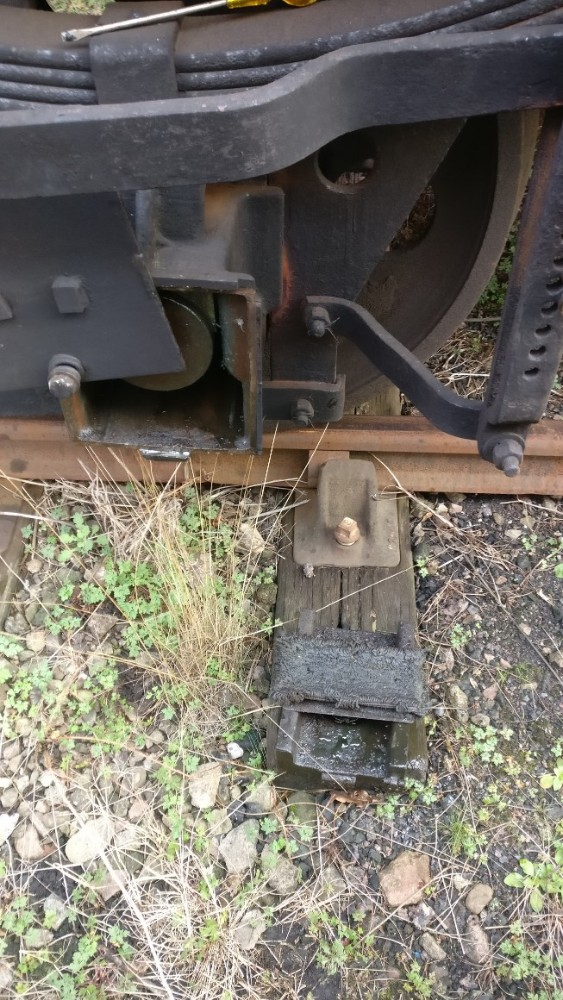
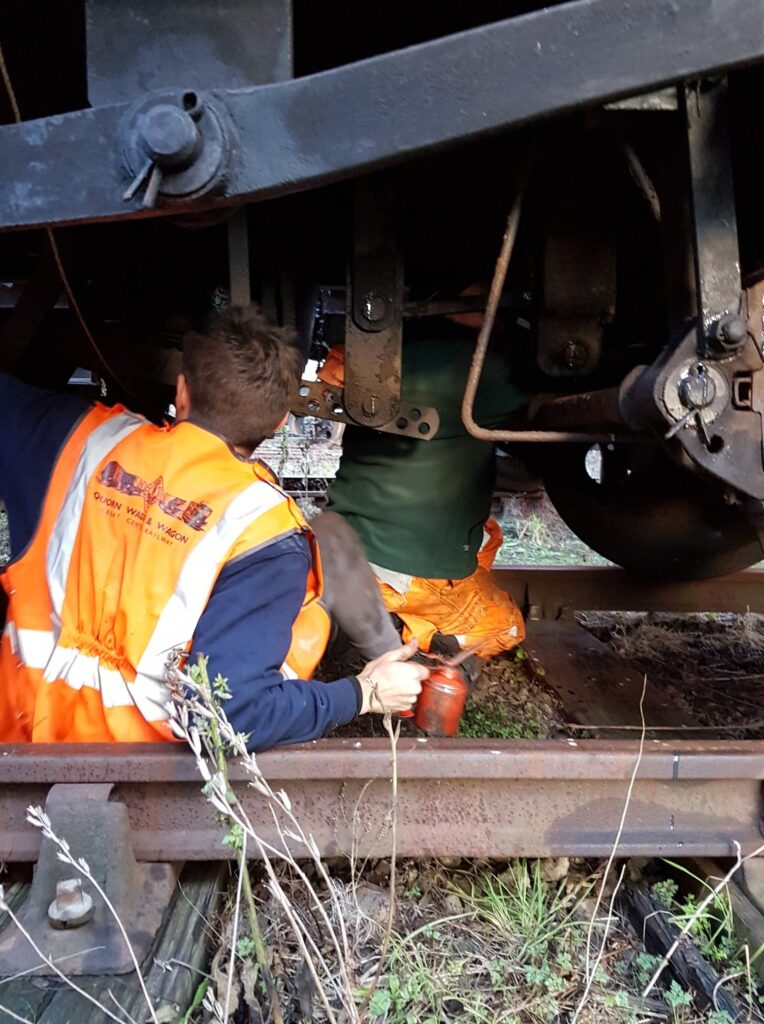
    We keep records of the work carried out to our vehicles, and perusing these records showed us that the all vehicles are due a routine pad exam. Whilst undertaking the pad exam we also take the opportunity to oil up any pivot points in the brake rigging, so that whatever brakes are fitted remain operational. On both Saturday and Sunday, we worked on the vehicles stored in Swithland Sidings.

    On Saturday, we performed pad exams on the van train. This also included the LMS brake van which is currently running on the south end of the rake.


    After we’d done the pad exams, we rattled down the van train oiling the brake rigging and oiling any screw couplings. This also included the B954268, which was stabled next to the van train on the south end of the mineral rake.


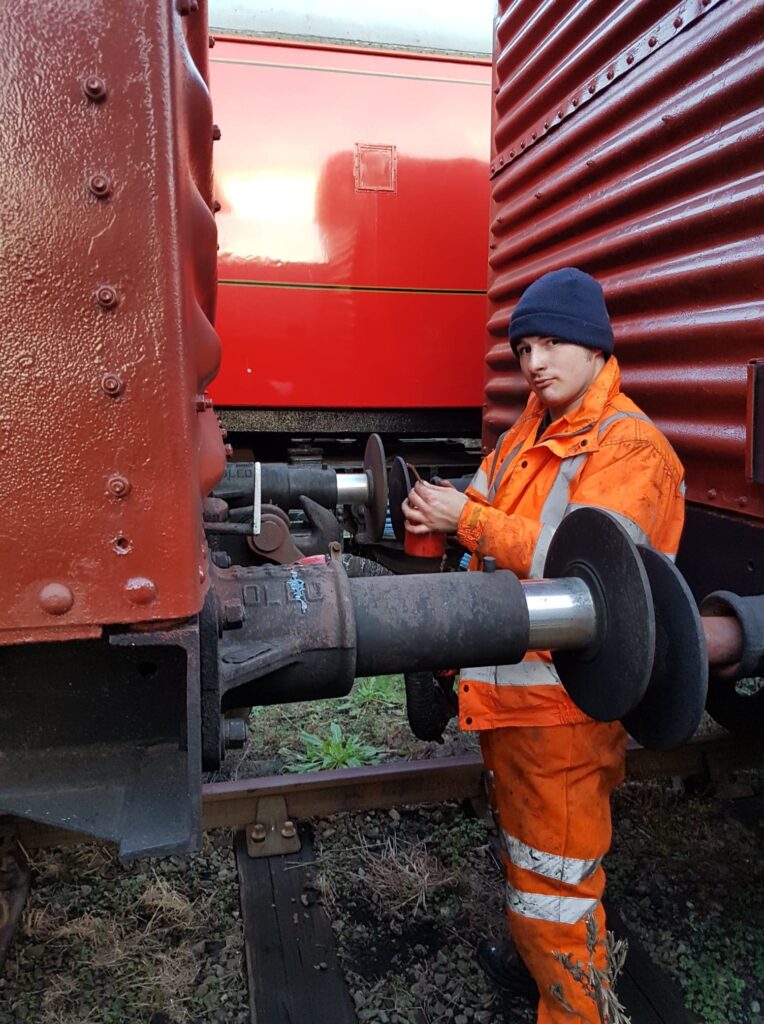
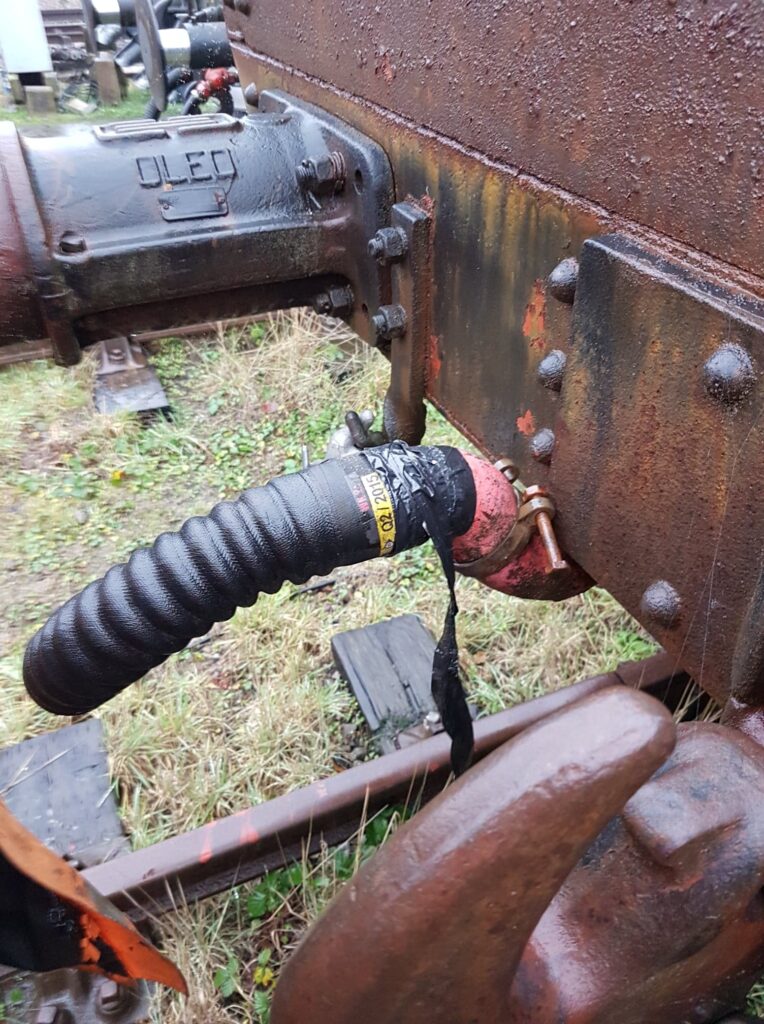
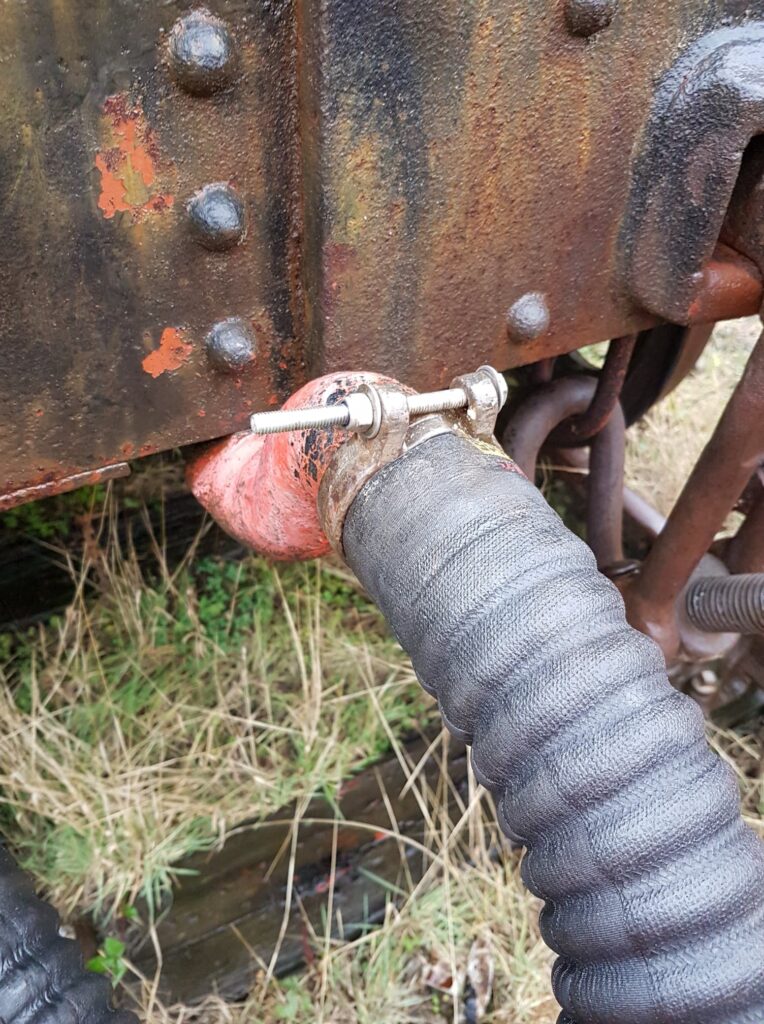
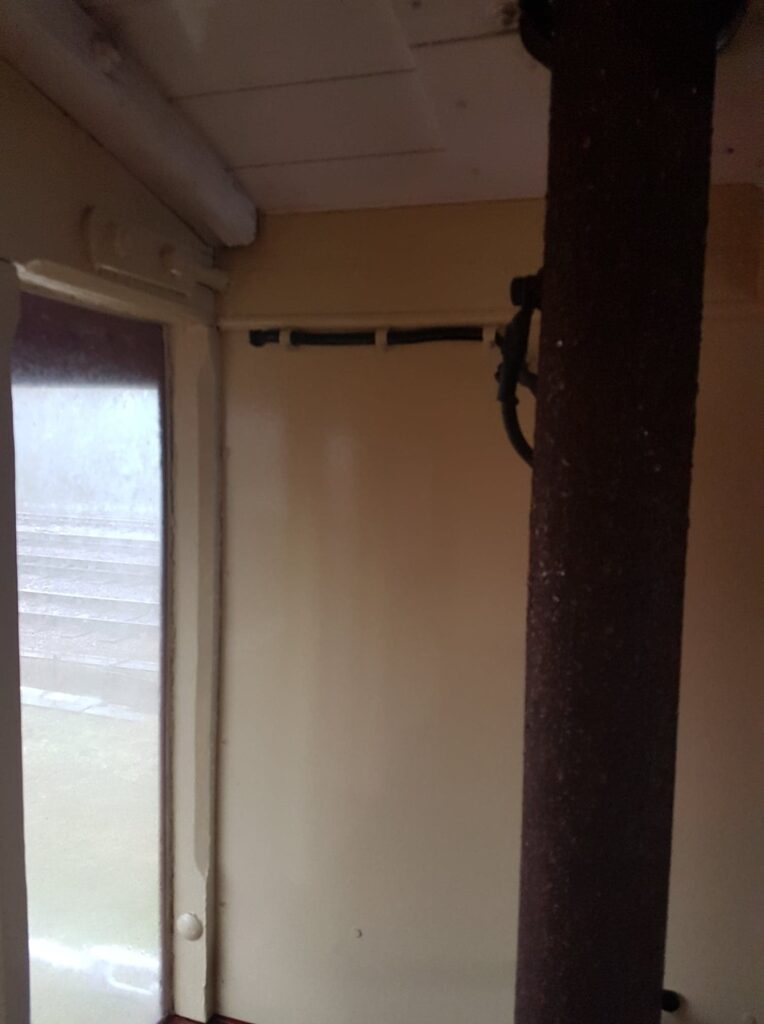
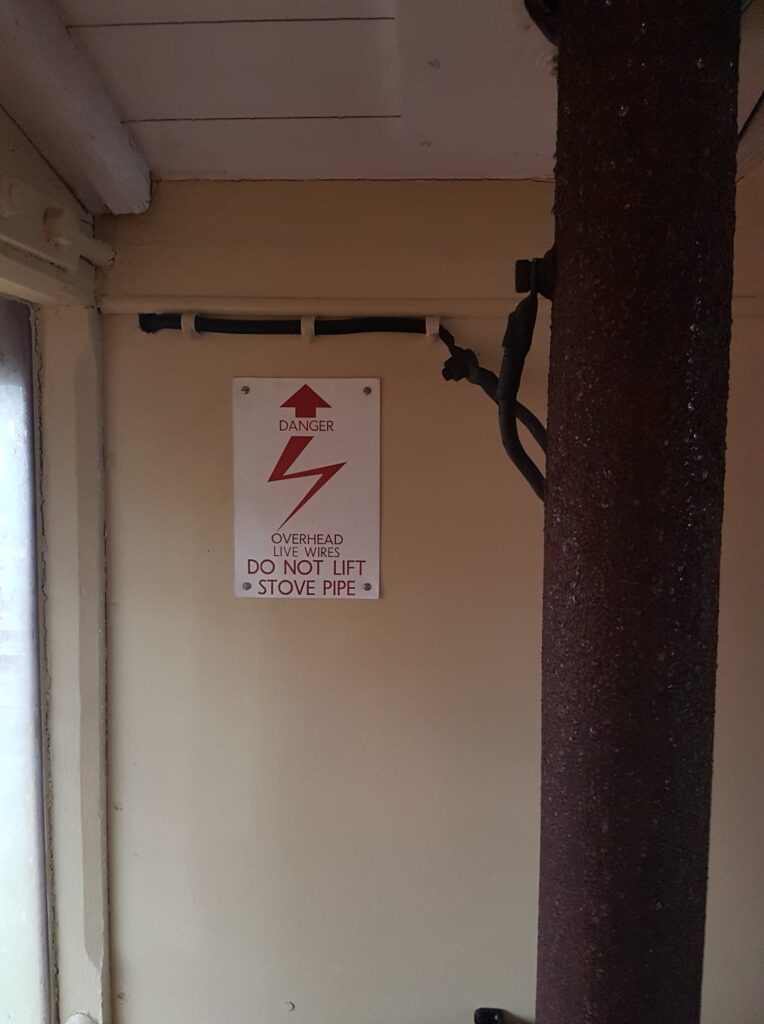
    Sunday saw some of the currently disbanded Mixed Freight, and a Rudd, get the same treatment as the van train. We also corrected a failed attempt to fit the Bogie Bolster D with a new vacuum hose, on its south end. This had been secured to the wagon with Gaffer tape, instead of using a hose clamp suitable for the diameter of the hose. Had this been brought to our attention and the consumable parts supplied, we would have happily fitted the hose. Hopefully, the rectification of this should see the vehicle back in the mixed freight. Matt also fitted a sign to the interior of B954268 which is the final detail in this brake van.


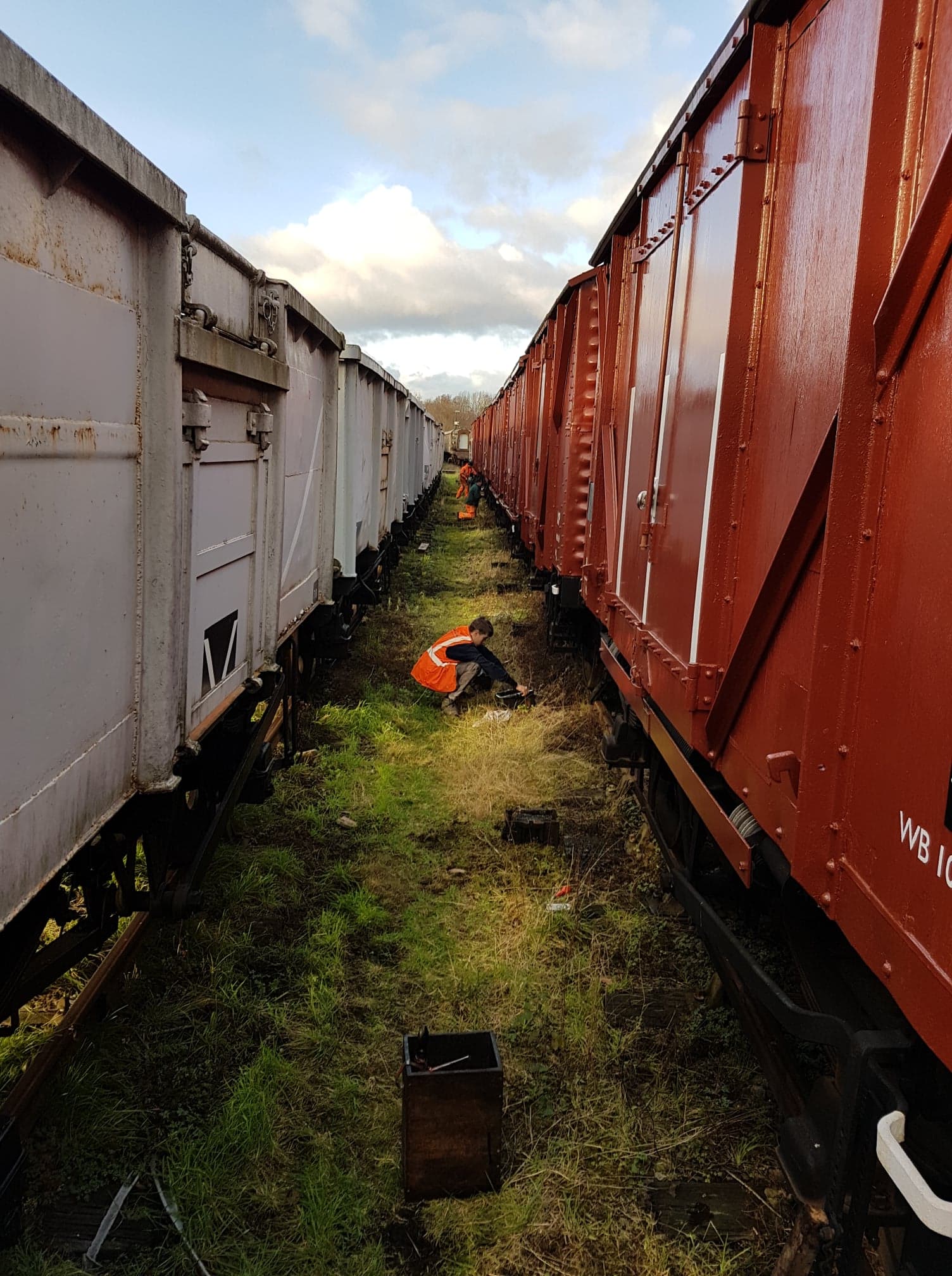
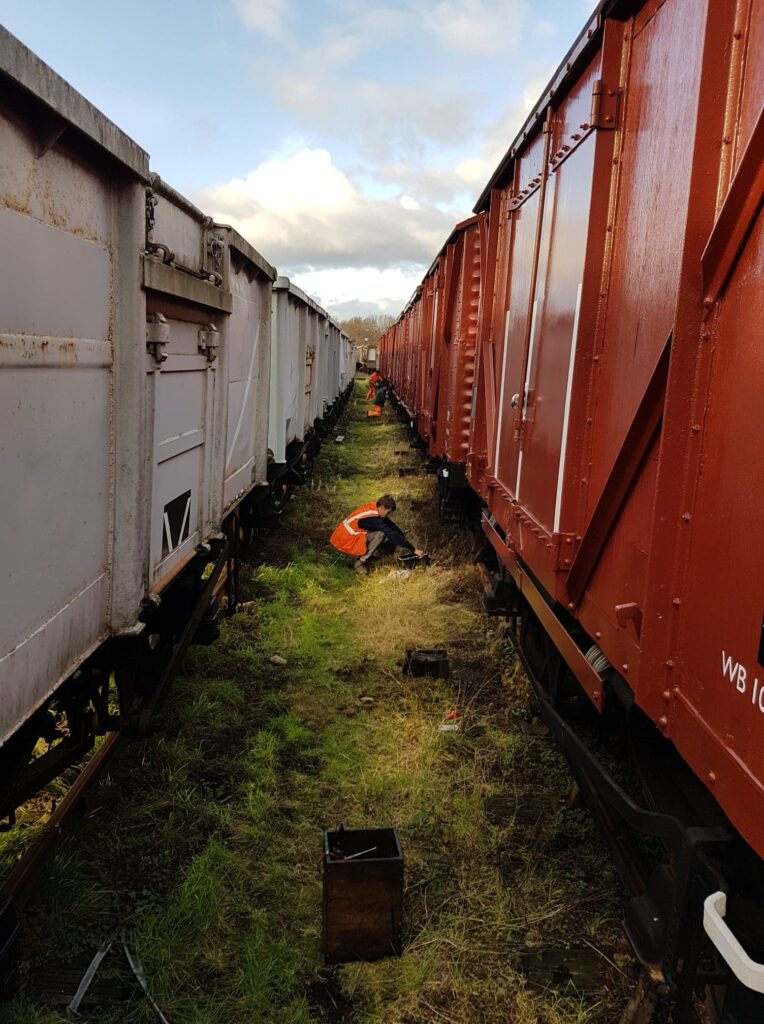
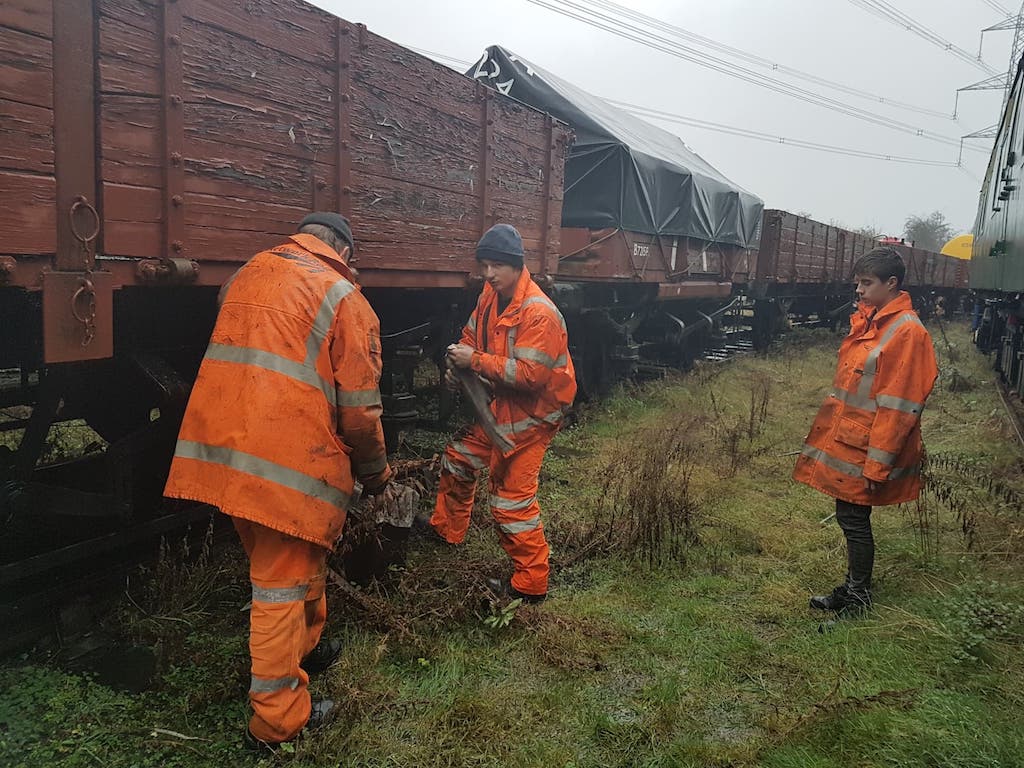
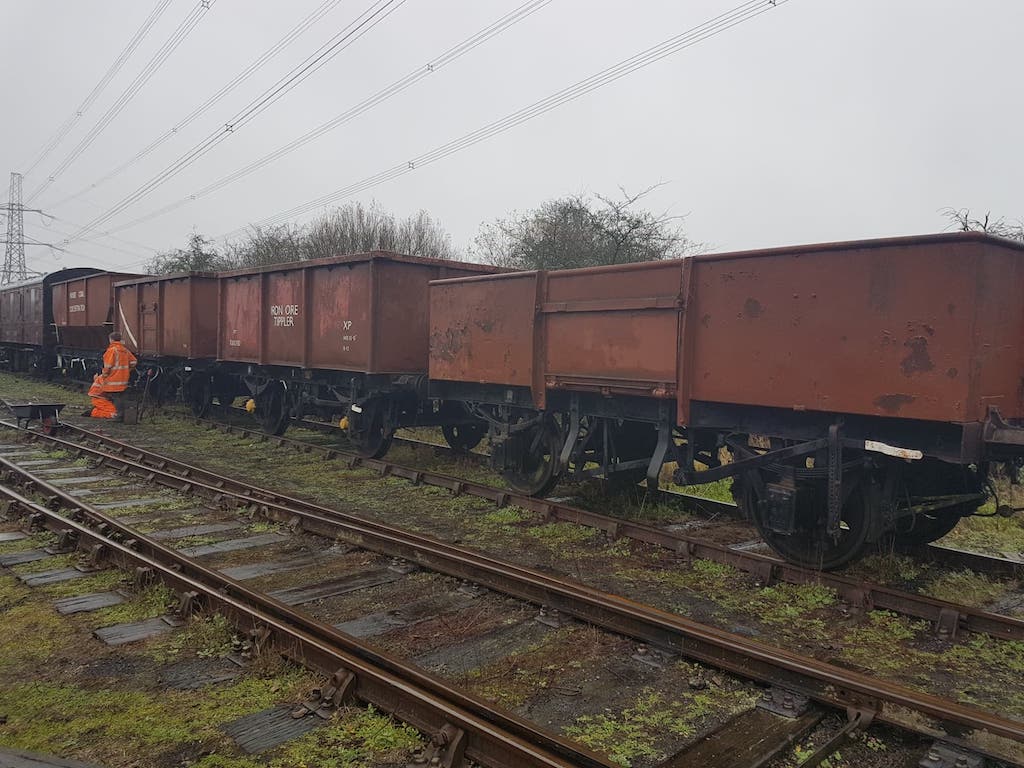
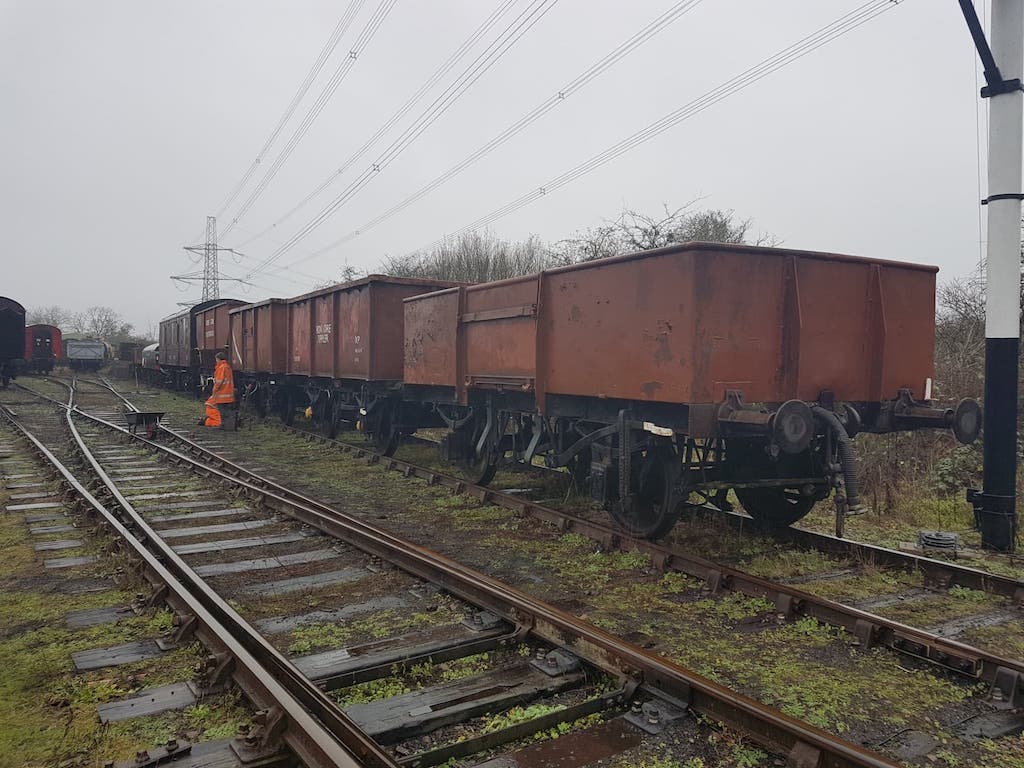
    We began oiling once these small jobs were complete. Today, we have oiled the tank wagons  (3436, 6581 and 998926), some of the open wagons (E281882, E301588, B385782, B425356, B550356, B721587, B724570, B732357 & B740654) and some of the Departmental fleet (DB972018 and DB928135). Not all of these vehicles have plain bearings, which means some of these had their rigging oiled only.

    Tomorrow, see us back at Swithland completing the open fleet, and starting pad exams at Quorn! Thanks for reading!