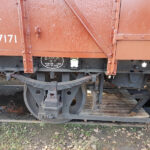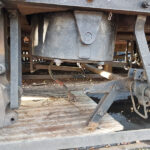
Tag: 850498

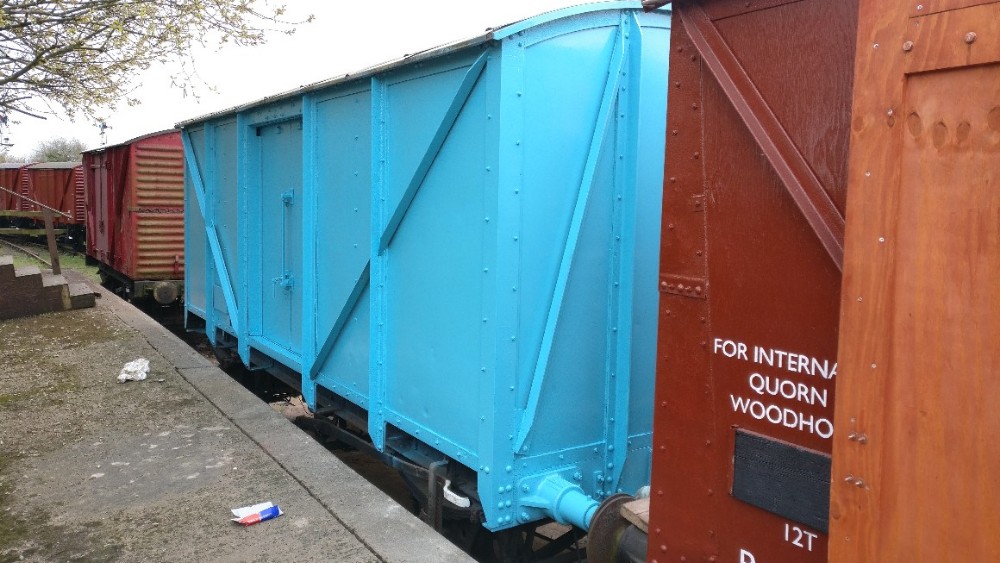
  • 15/04/18 A very blue Fish Van

    15/04/18 A very blue Fish Van

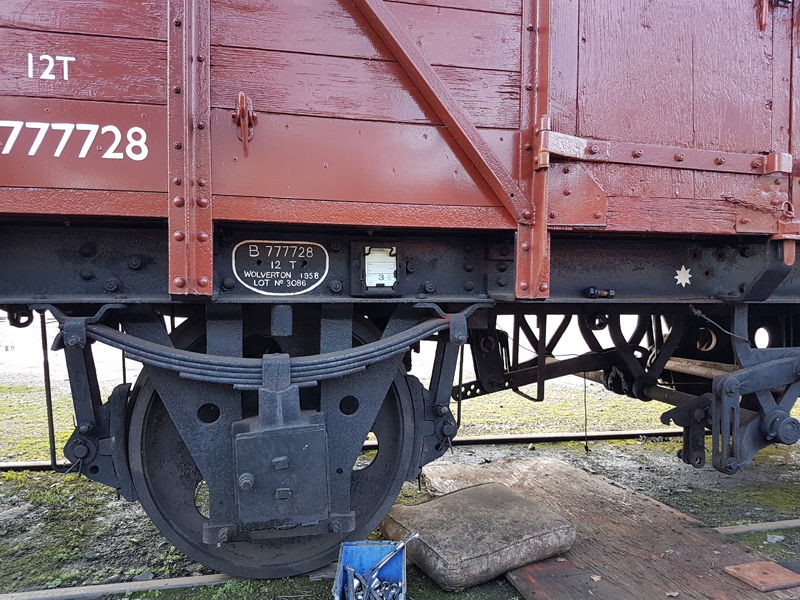
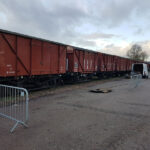
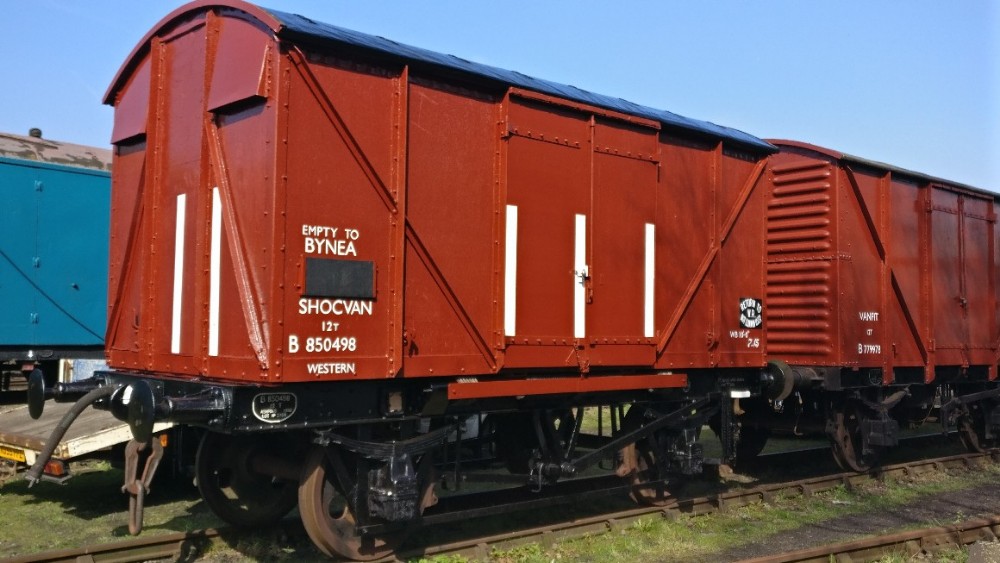
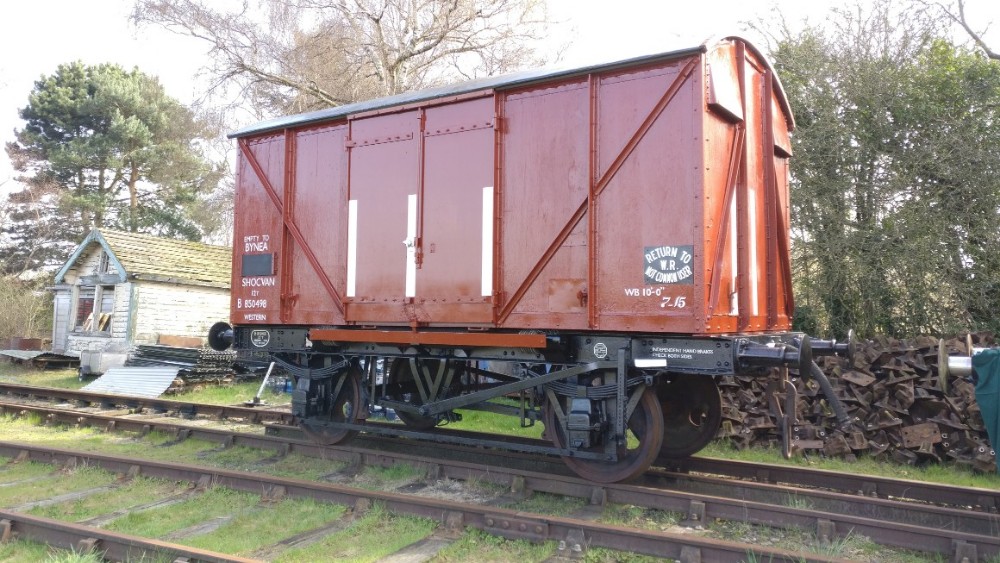
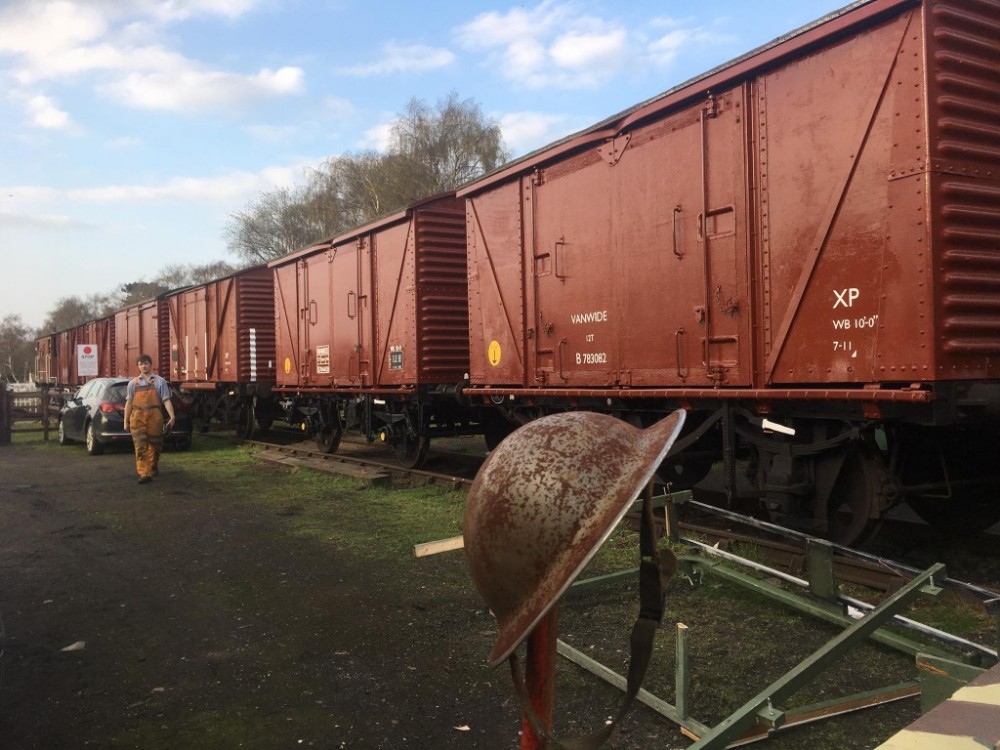
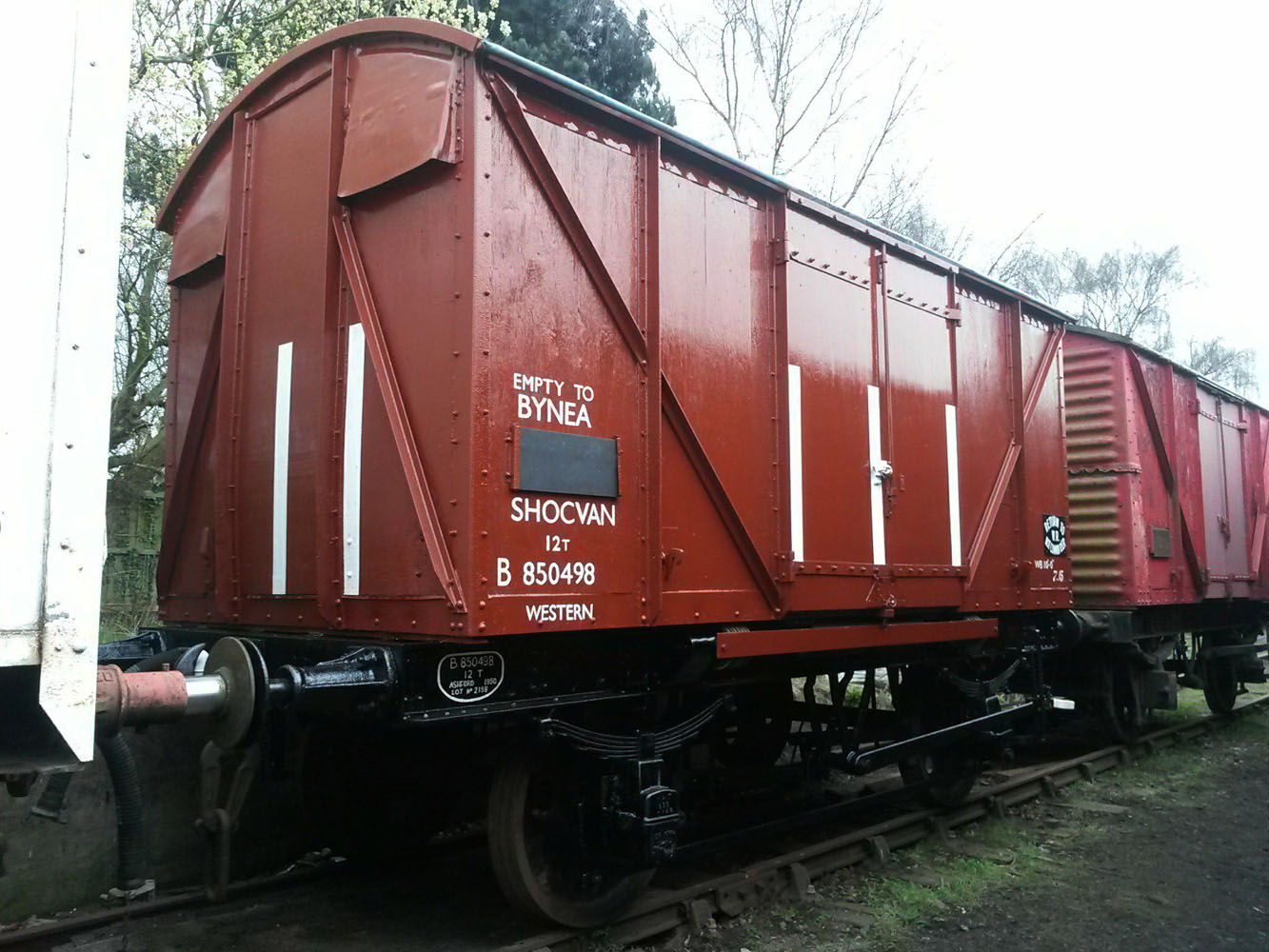
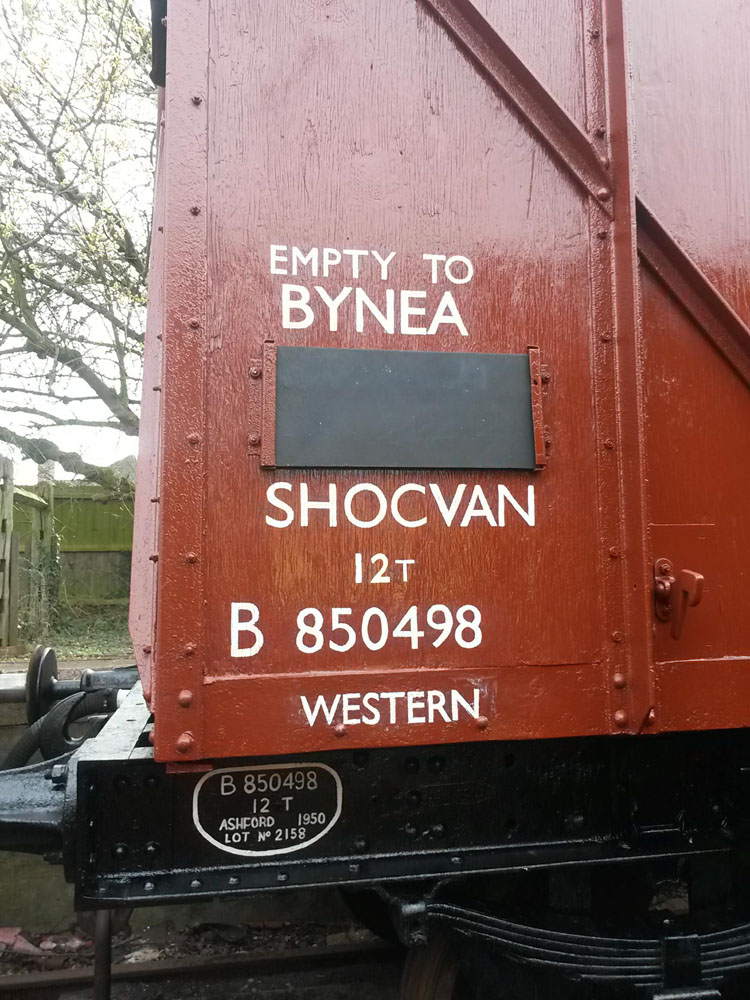
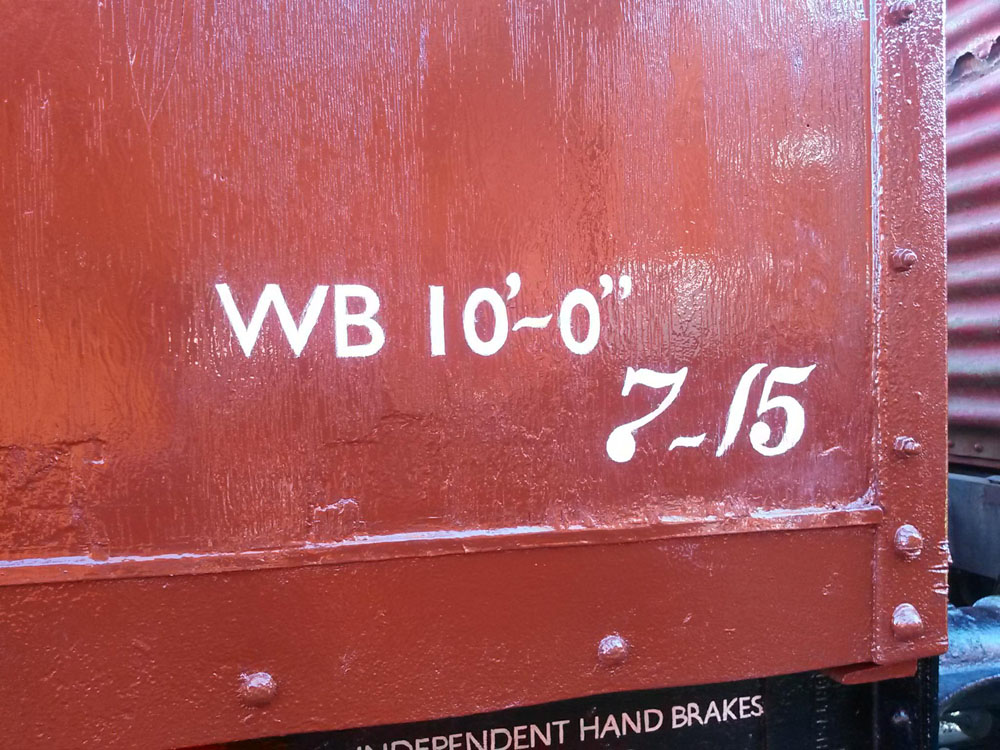
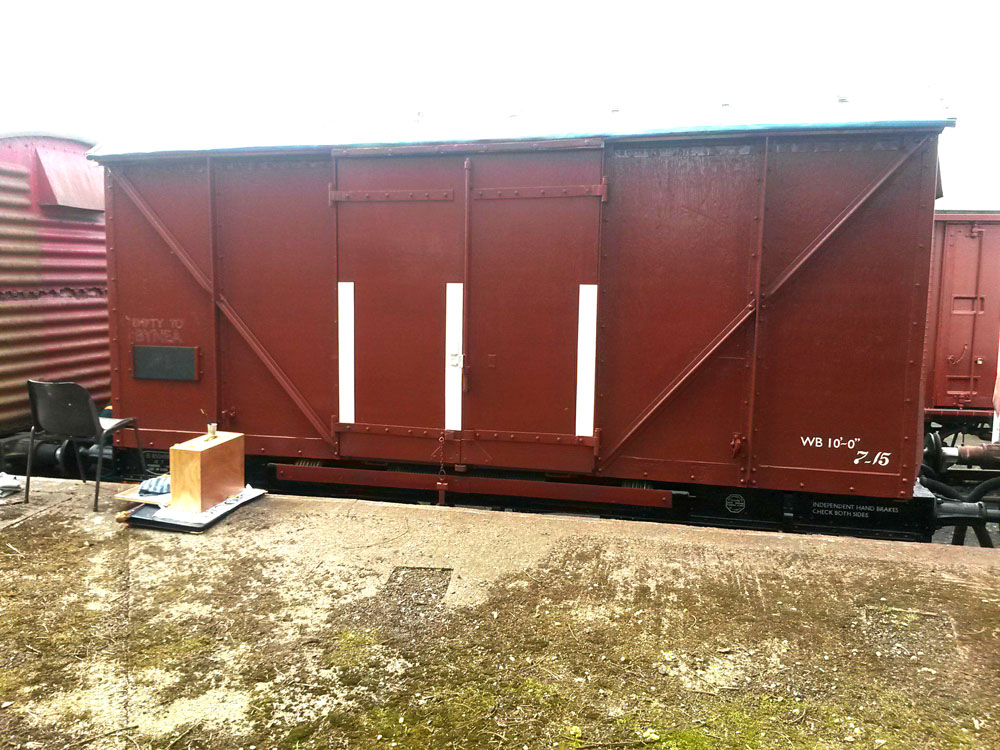
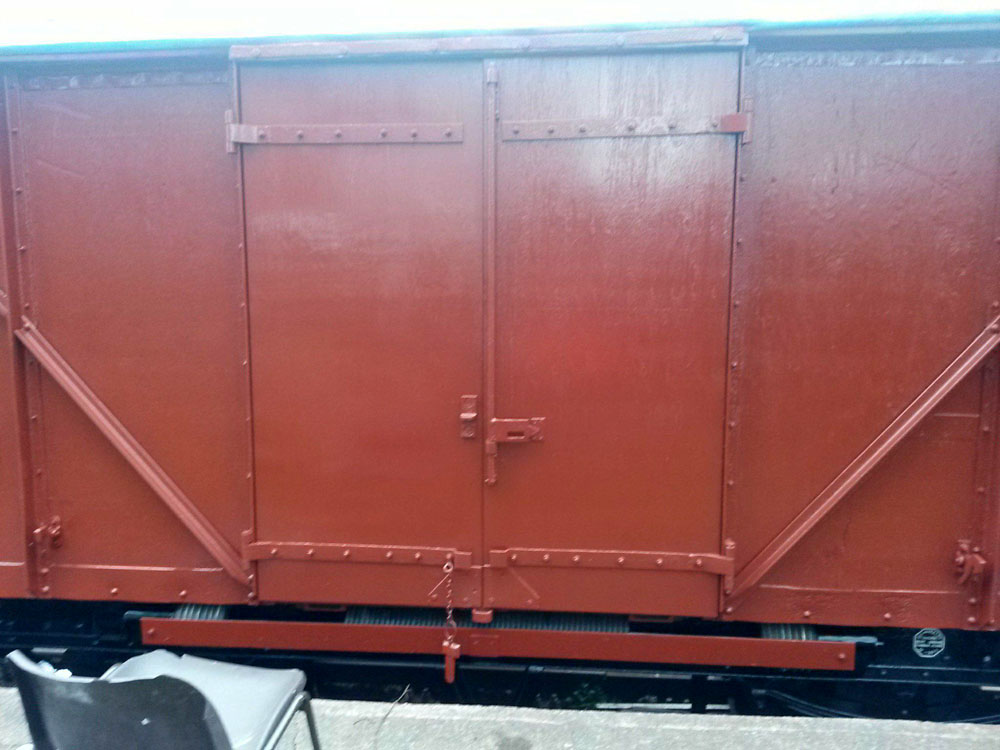
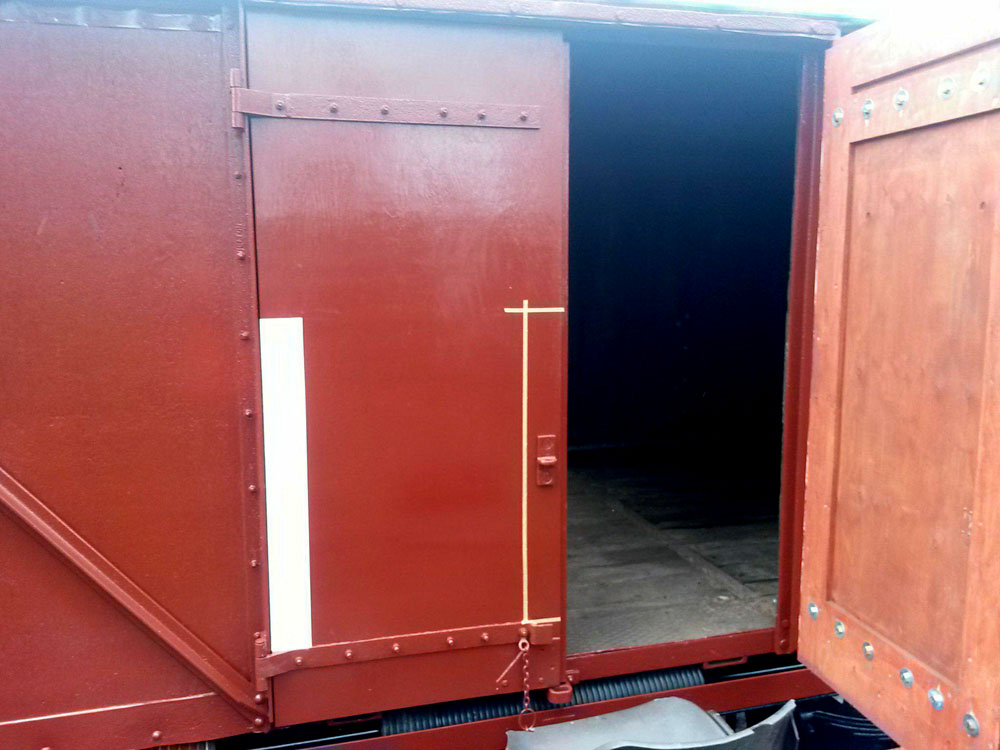
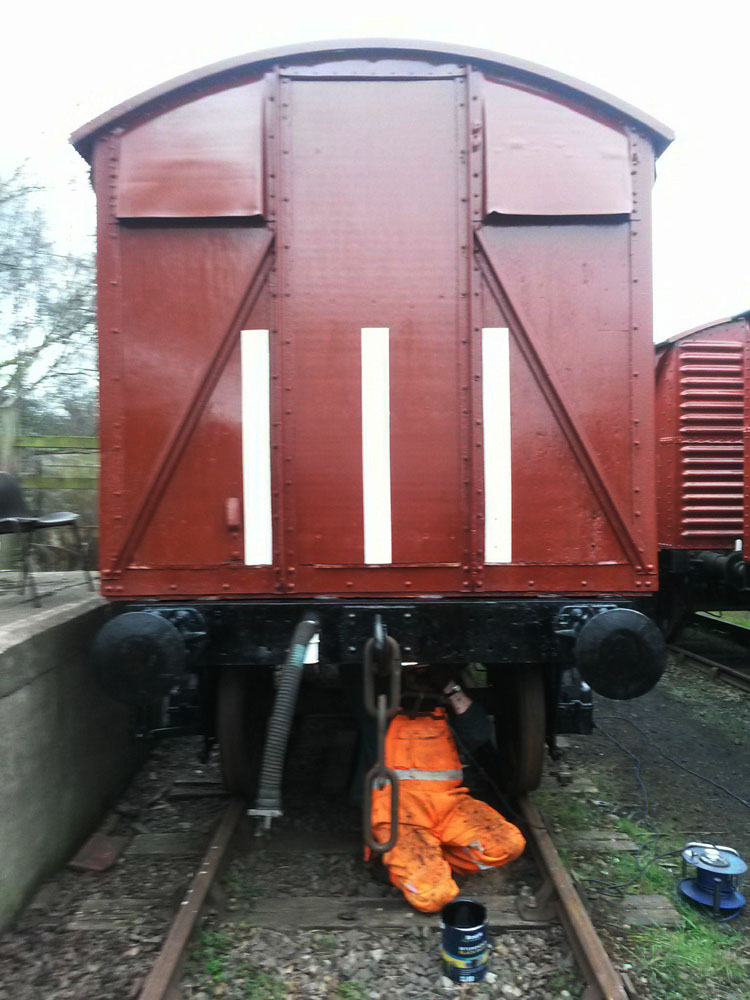
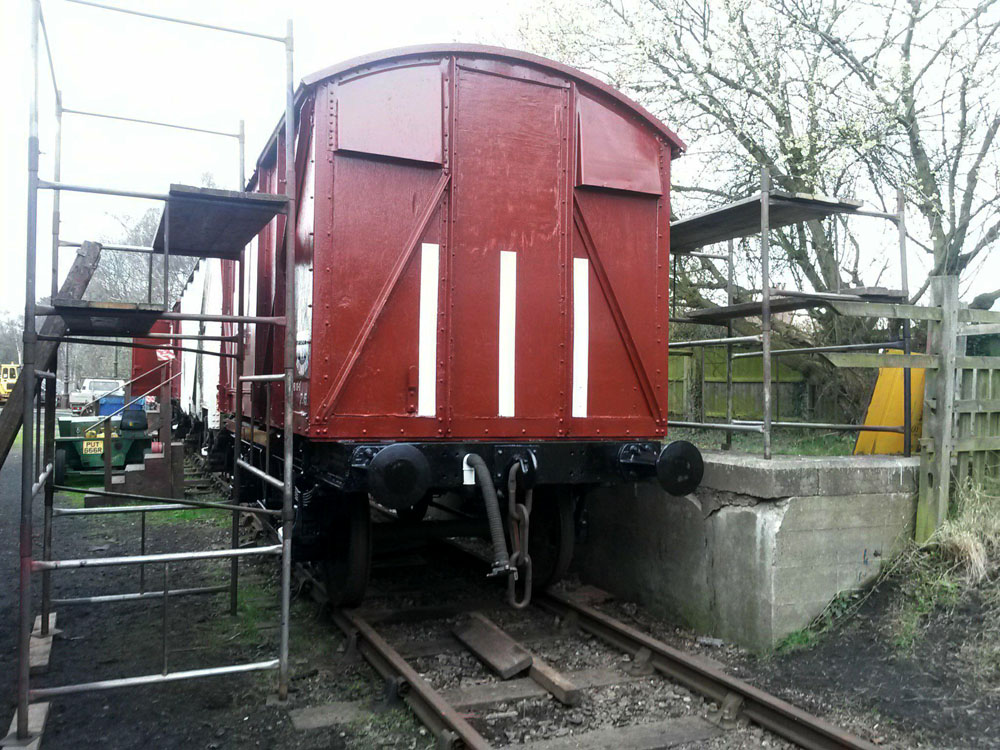
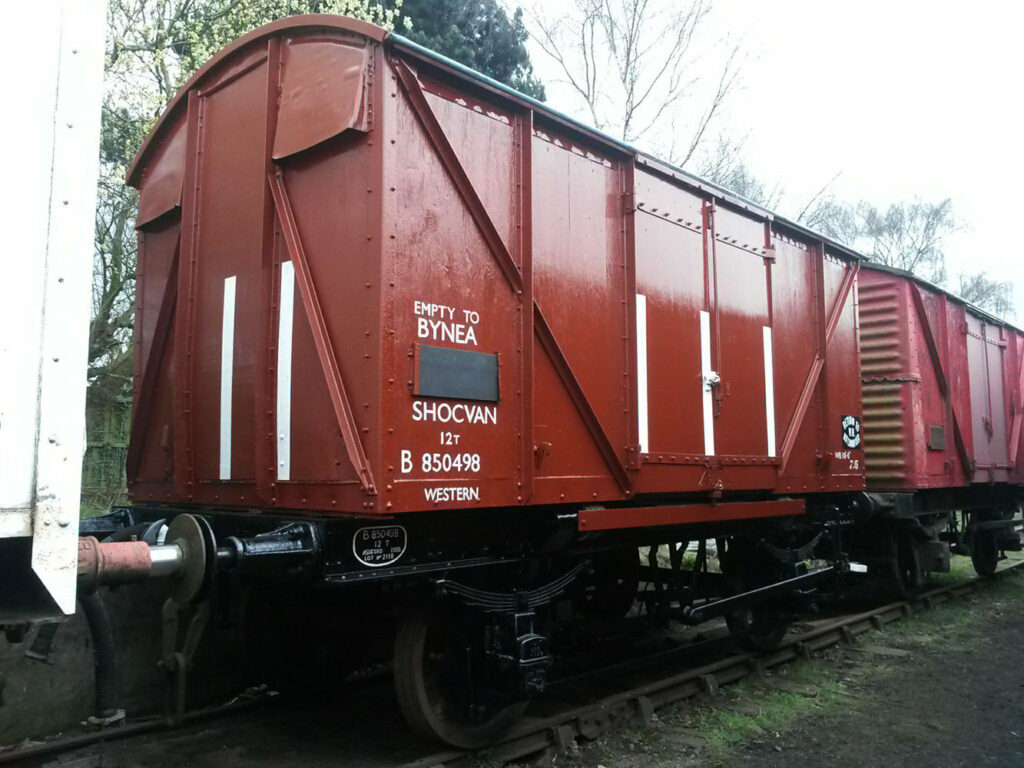
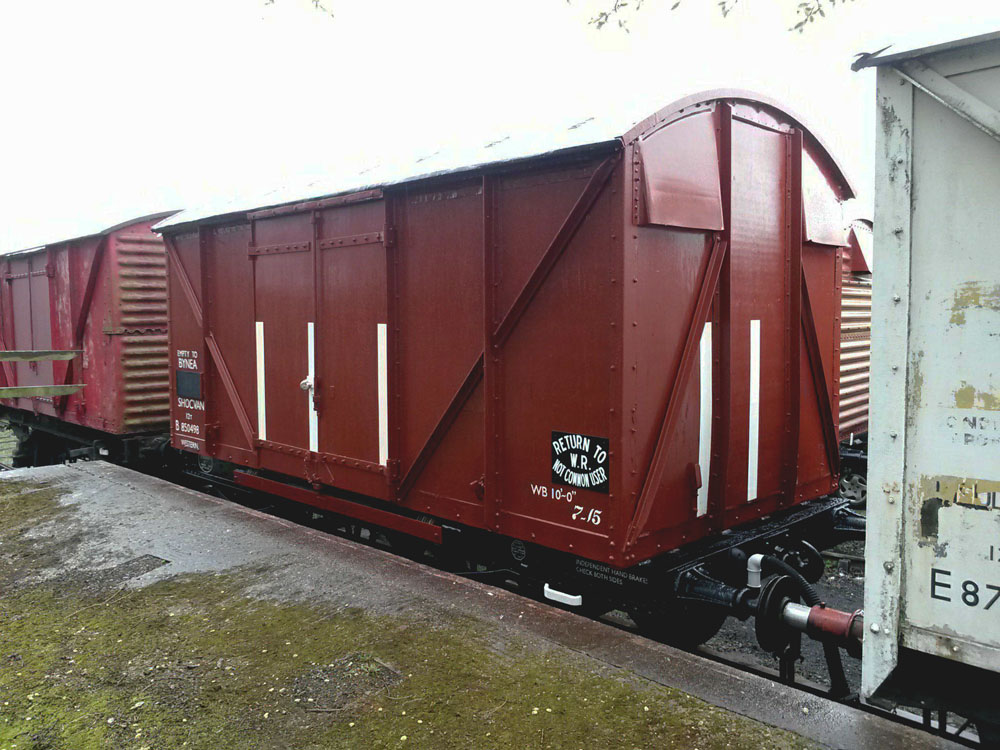
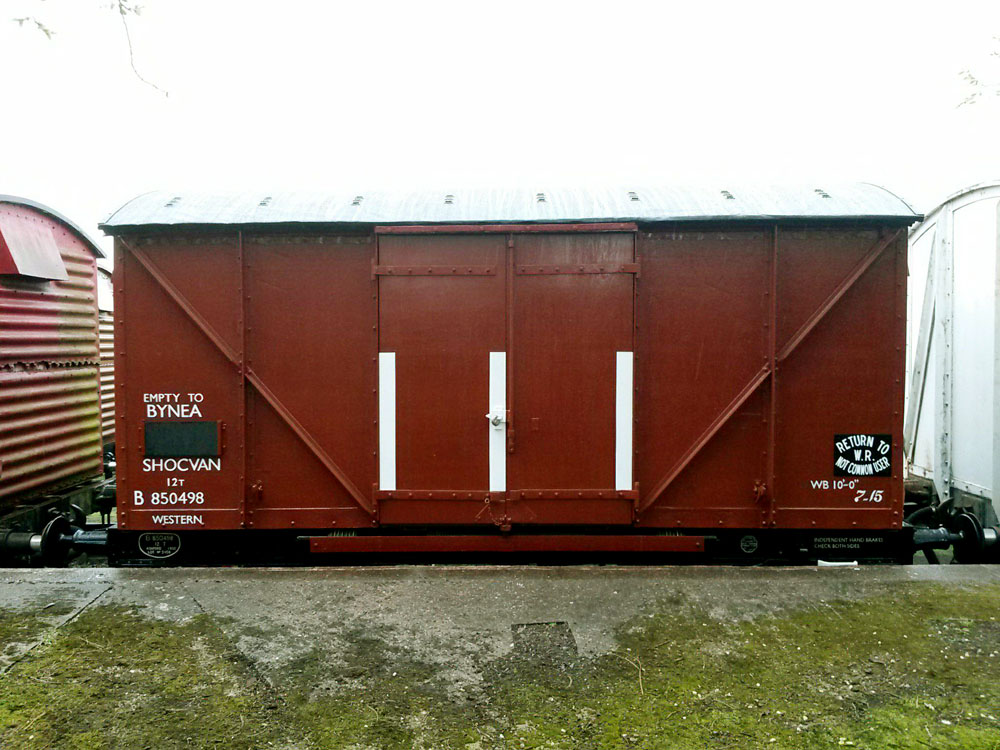
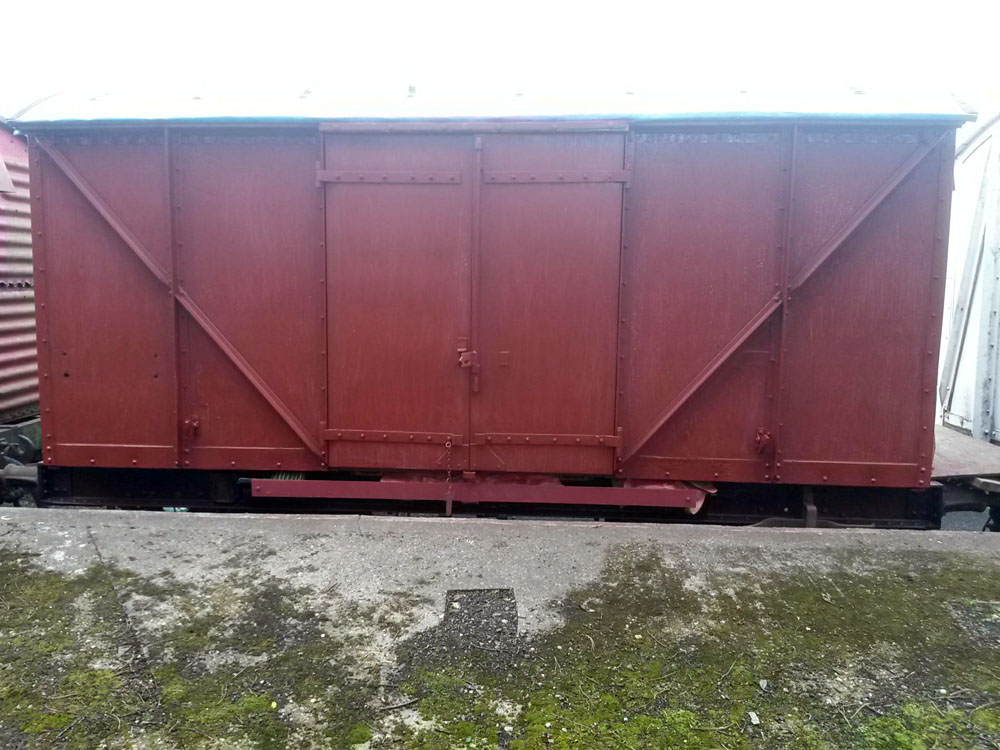
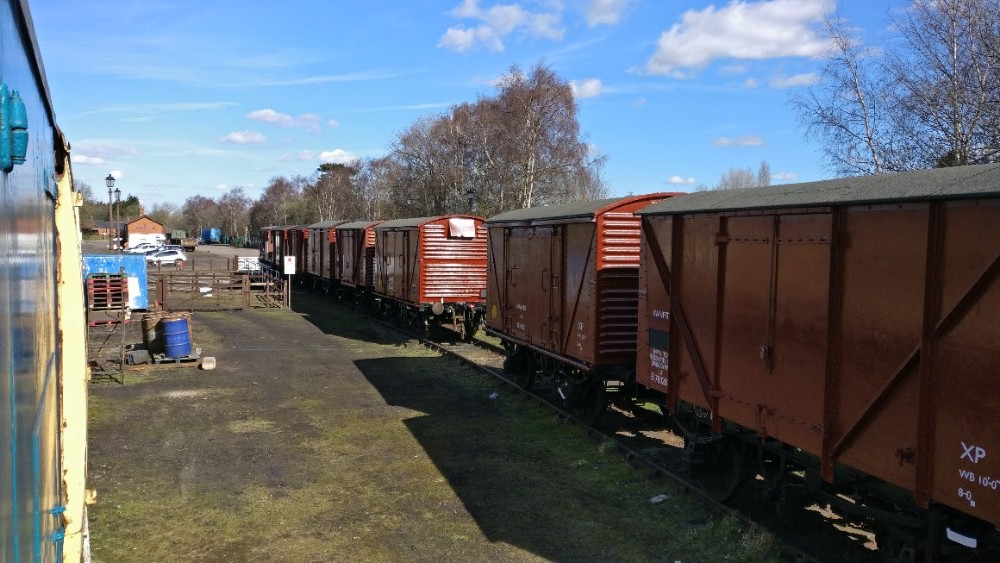
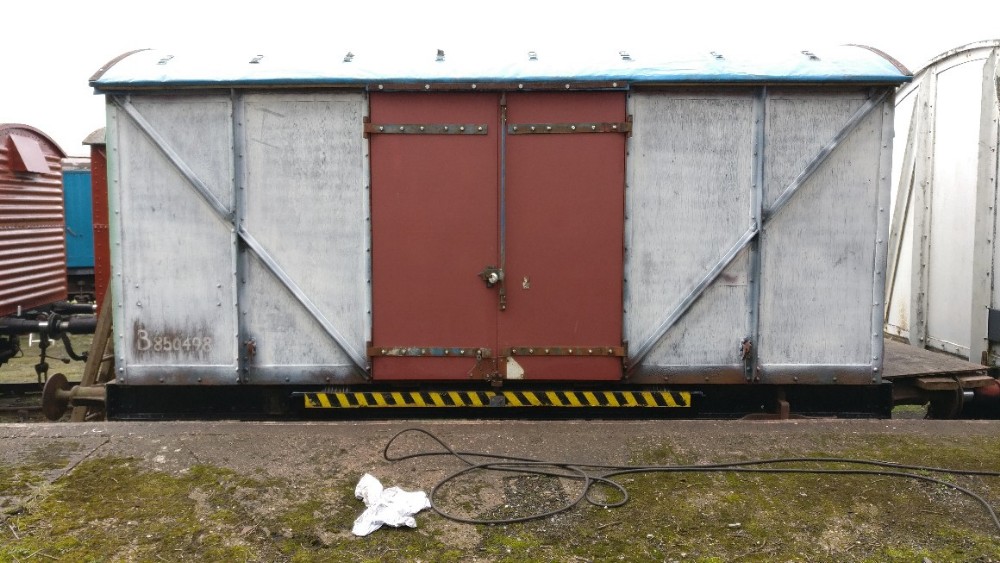
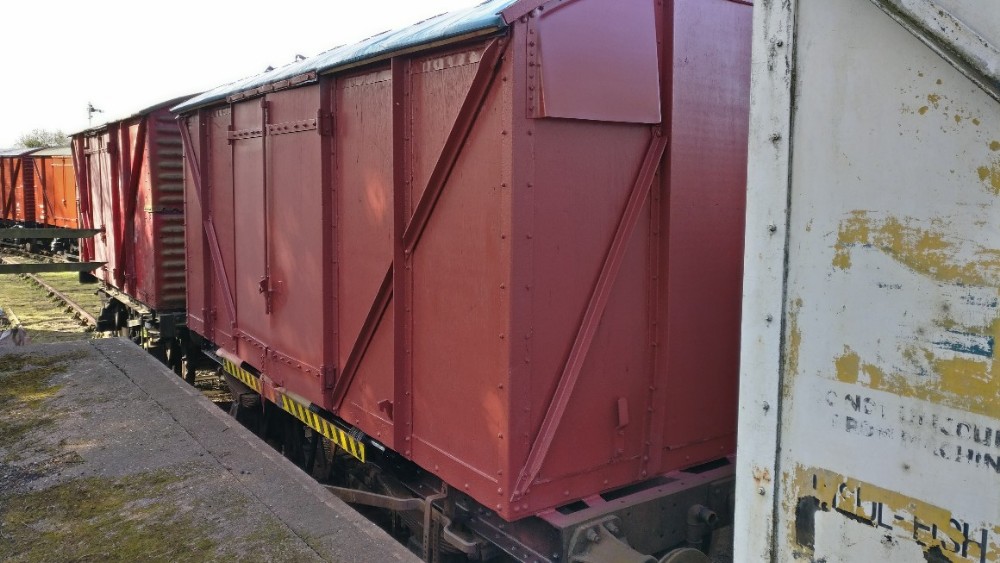
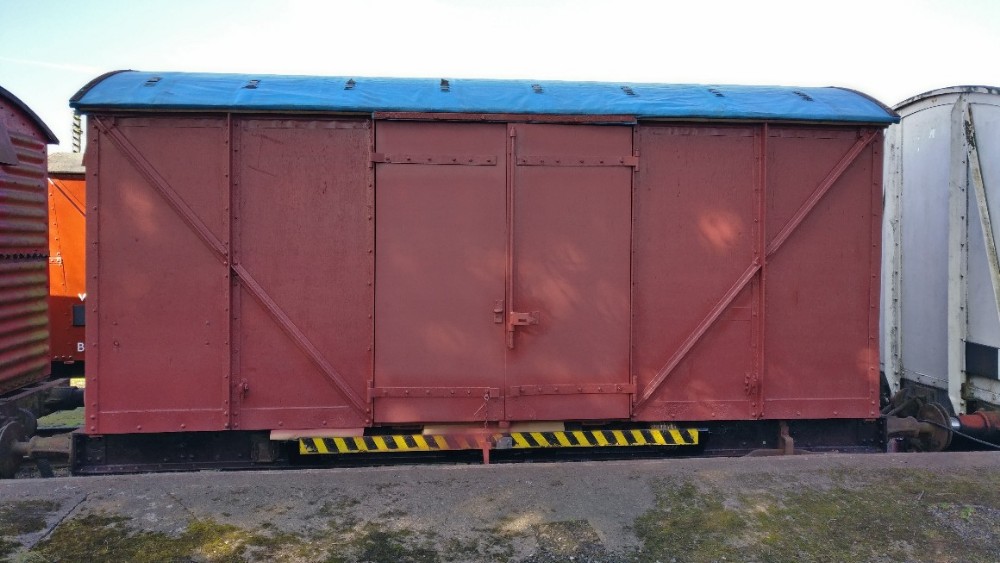
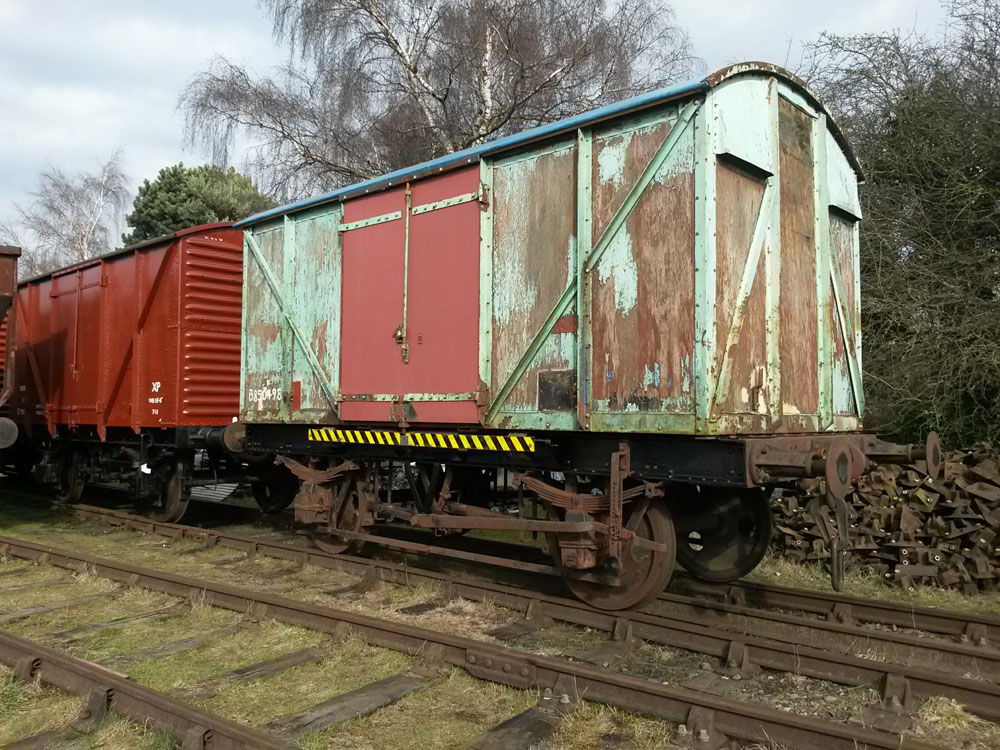
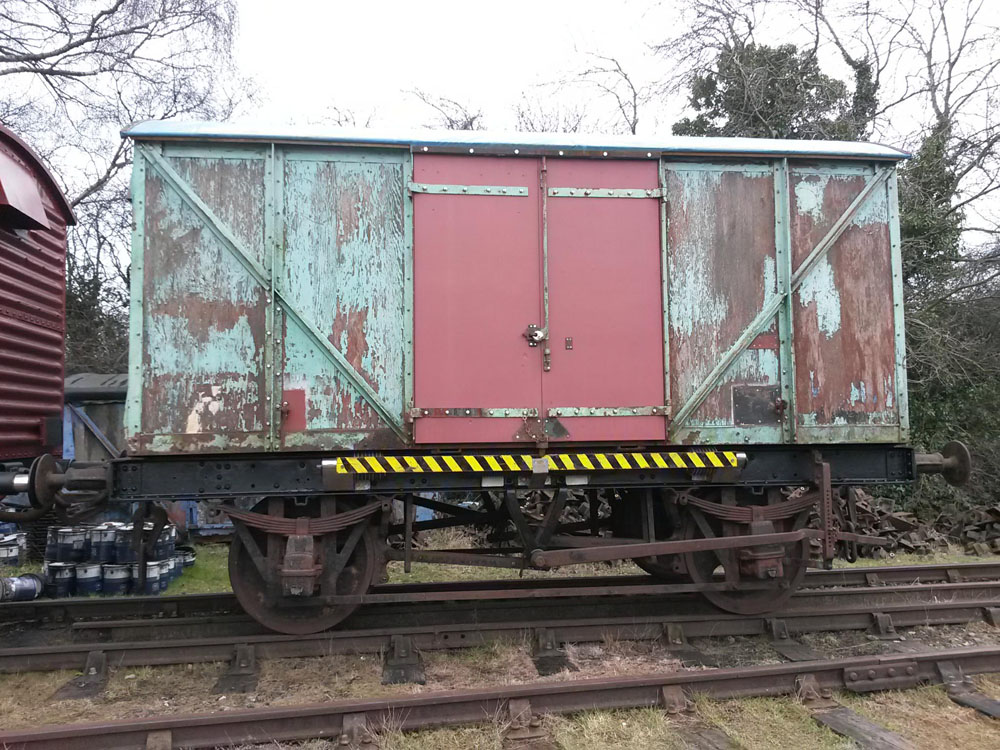
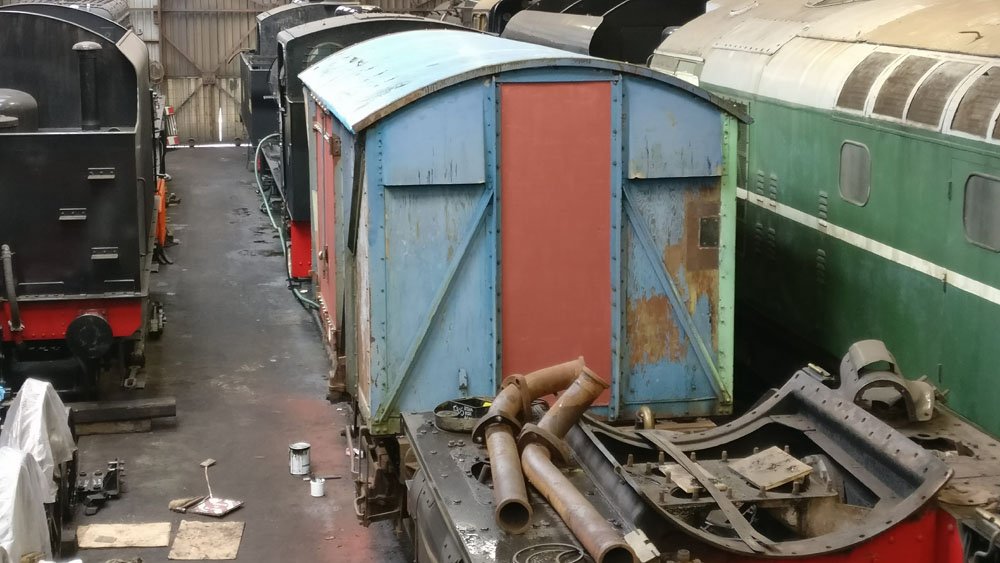
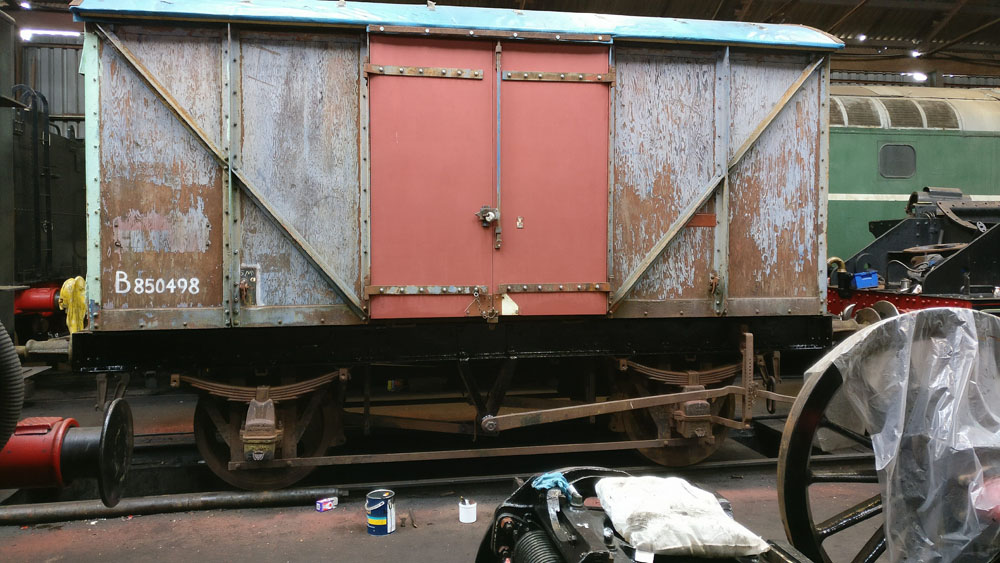
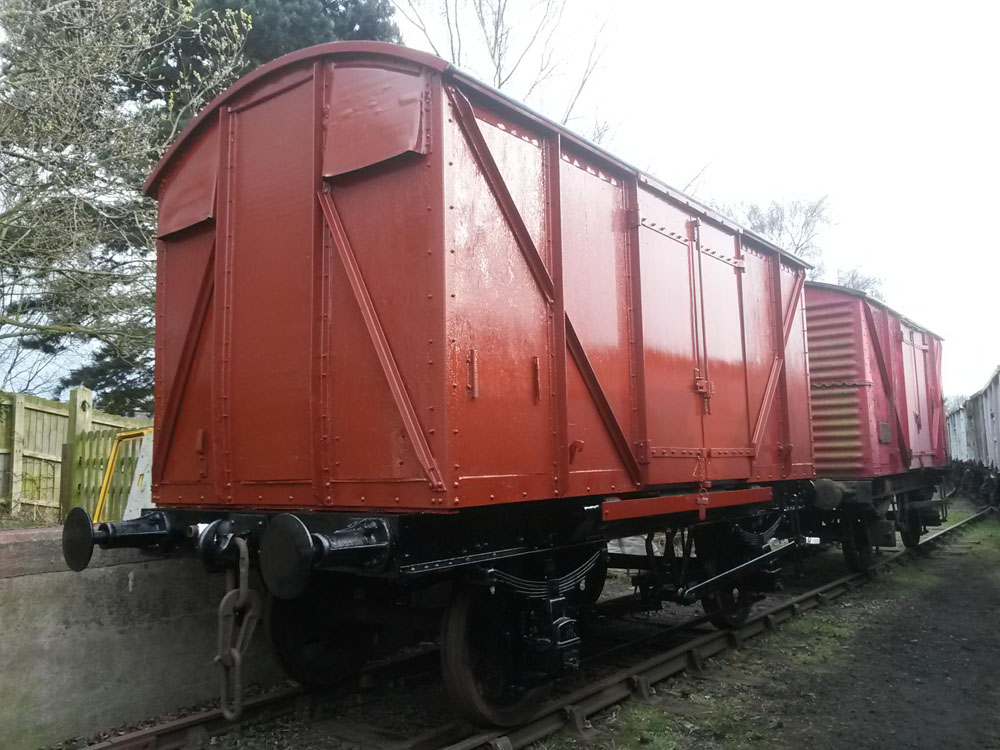
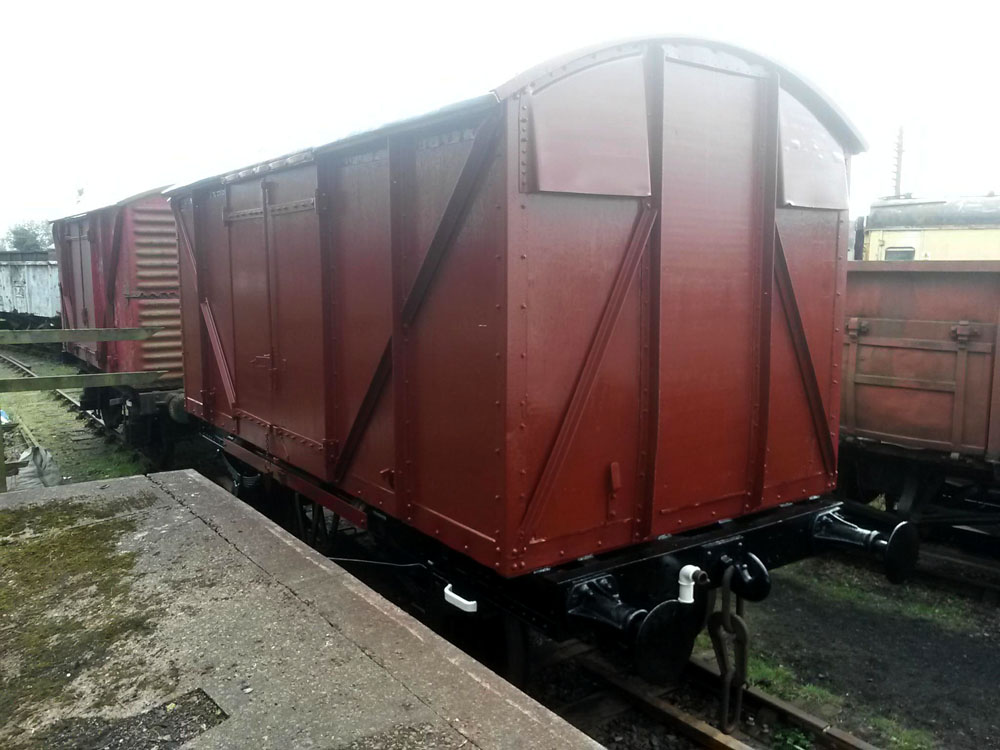
    Following on from Matt’s report last week, B850498 has now been completed. The roof has been touched up following last Sunday’s rain. Here are 2 photos of it in “ex-works” condition. This vehicle has now been put into the van train, thus having its debut at Good Galore! (not bad for a grounded body!)
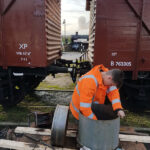
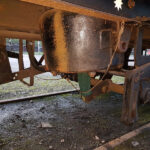
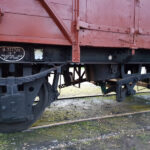
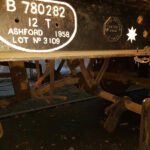
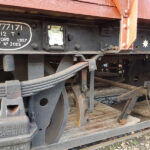
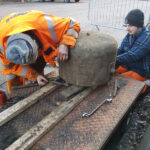
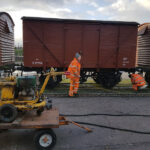
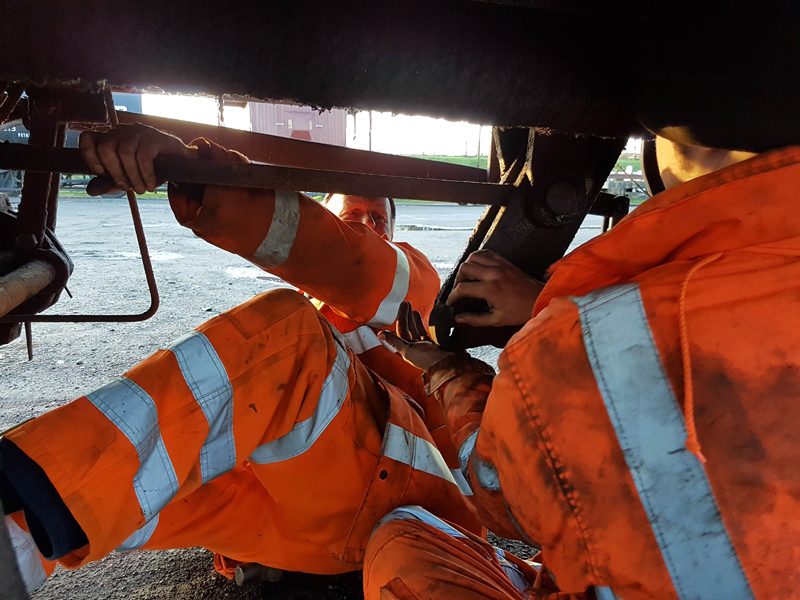
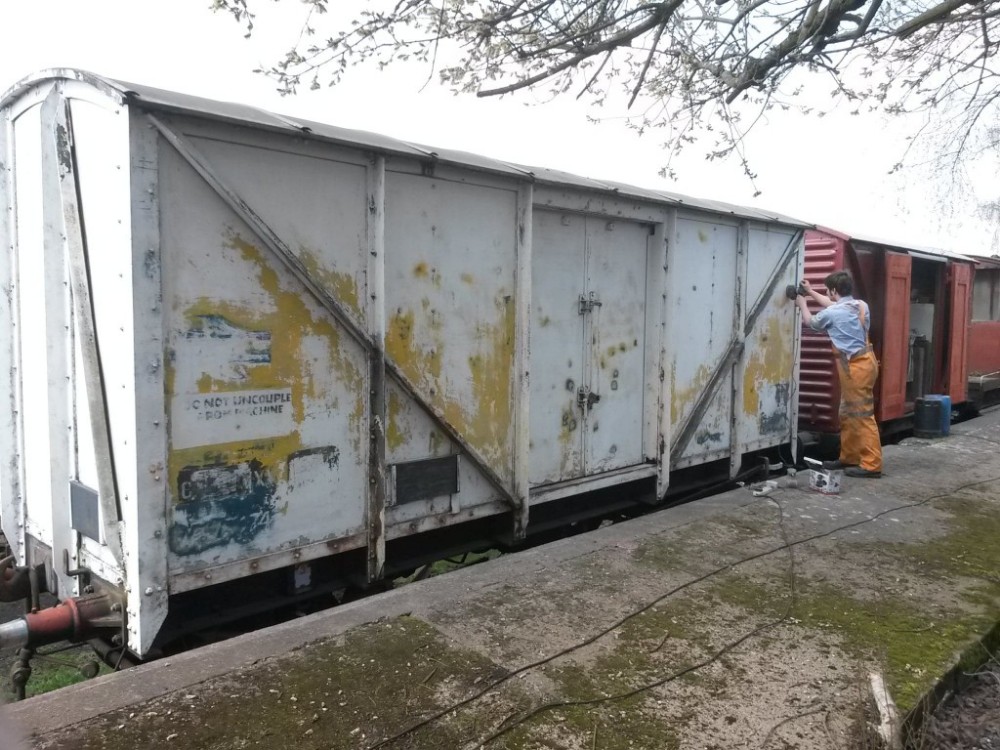
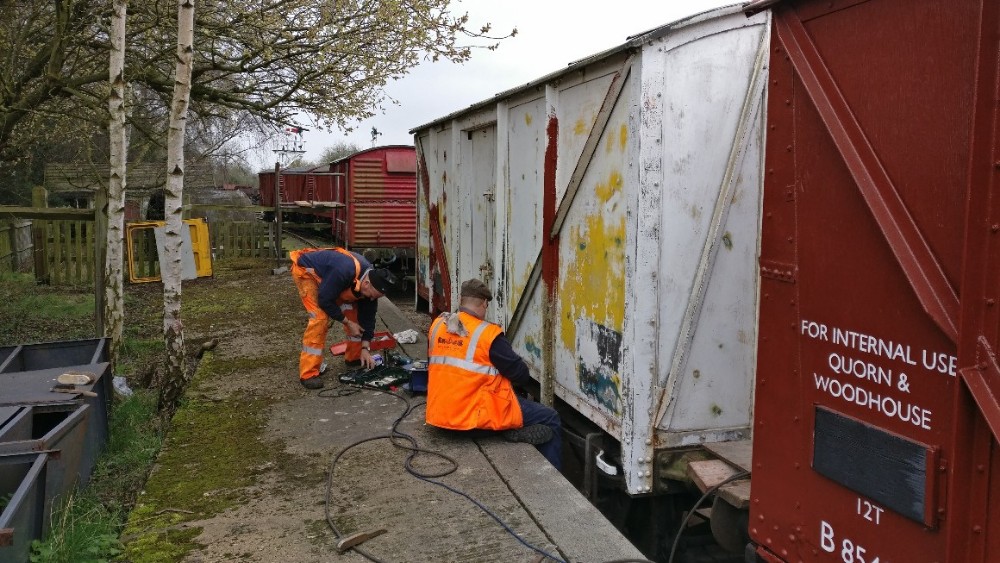
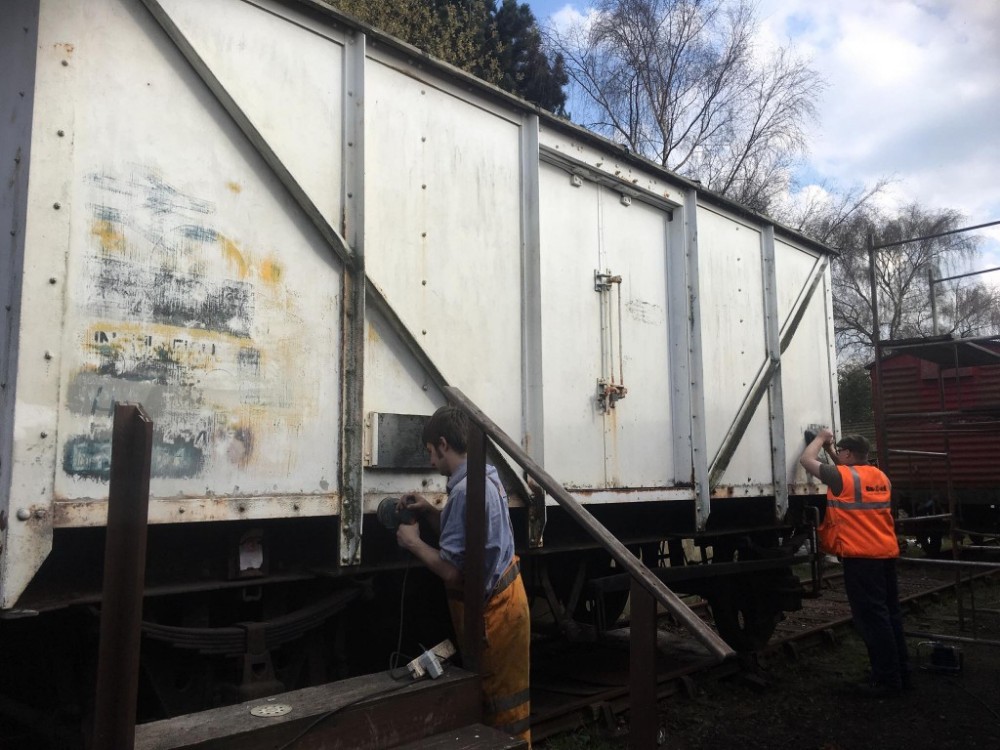
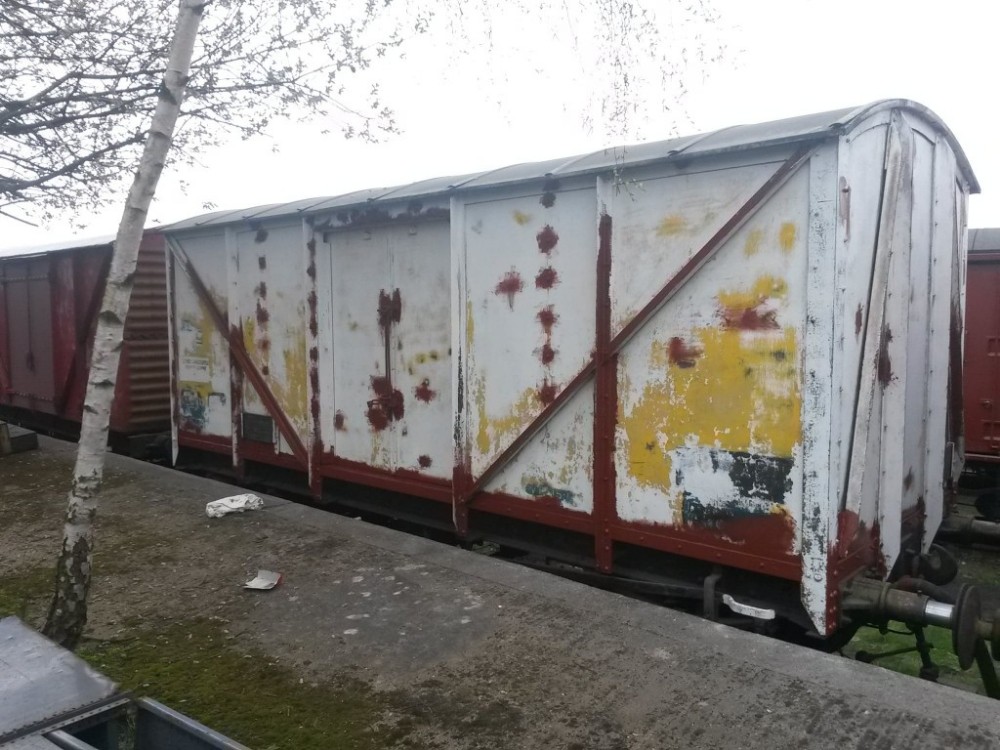
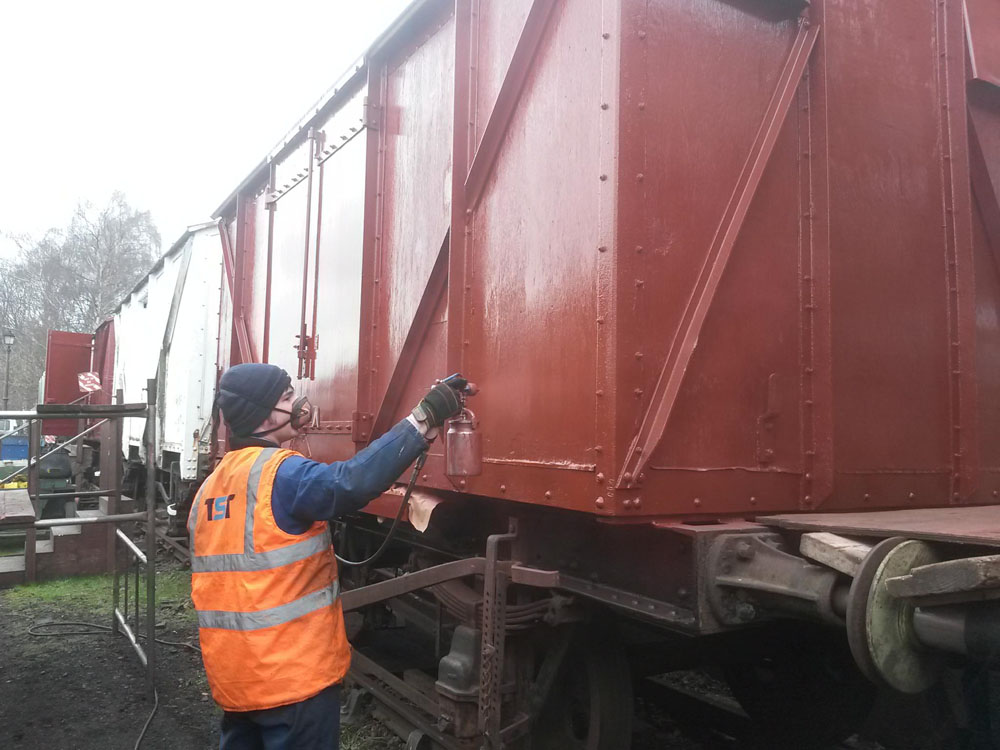
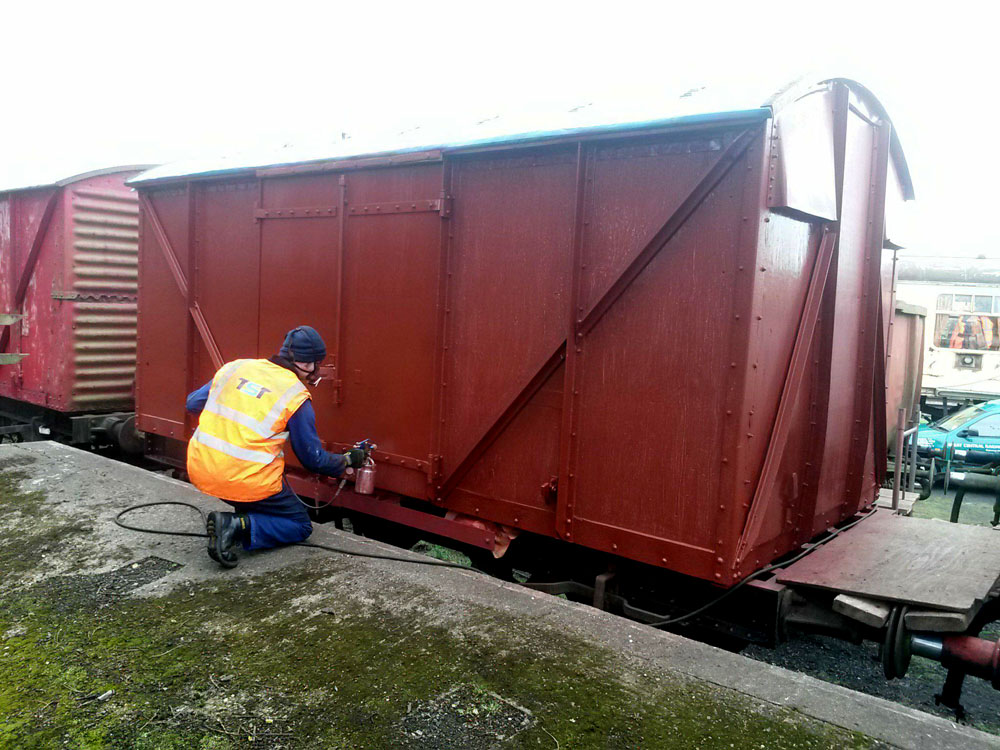
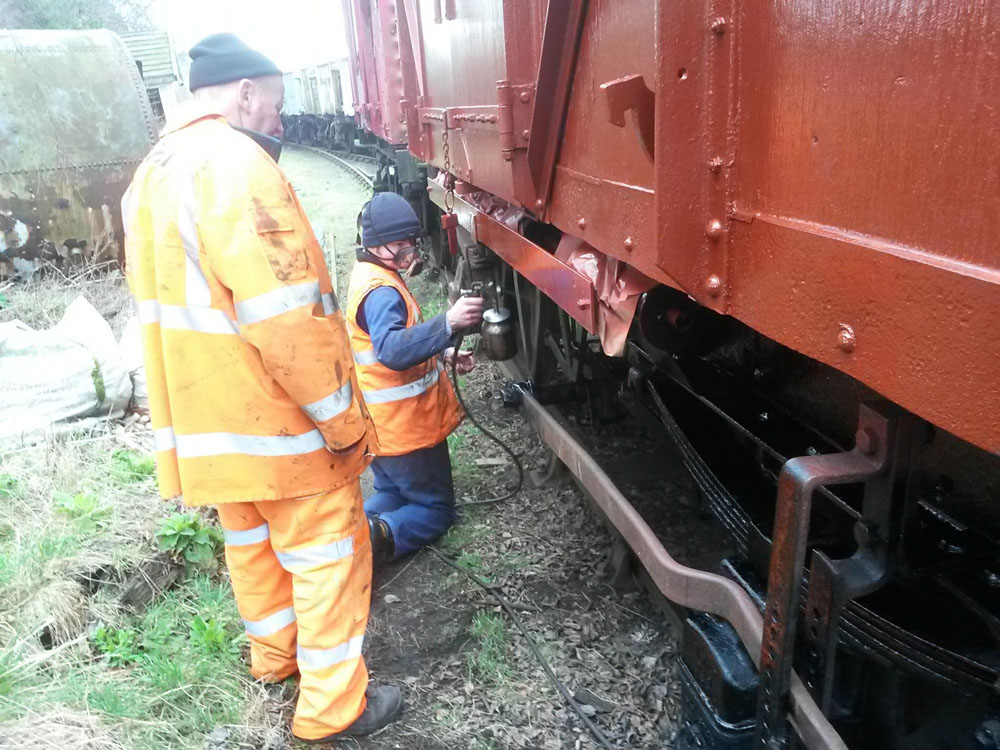
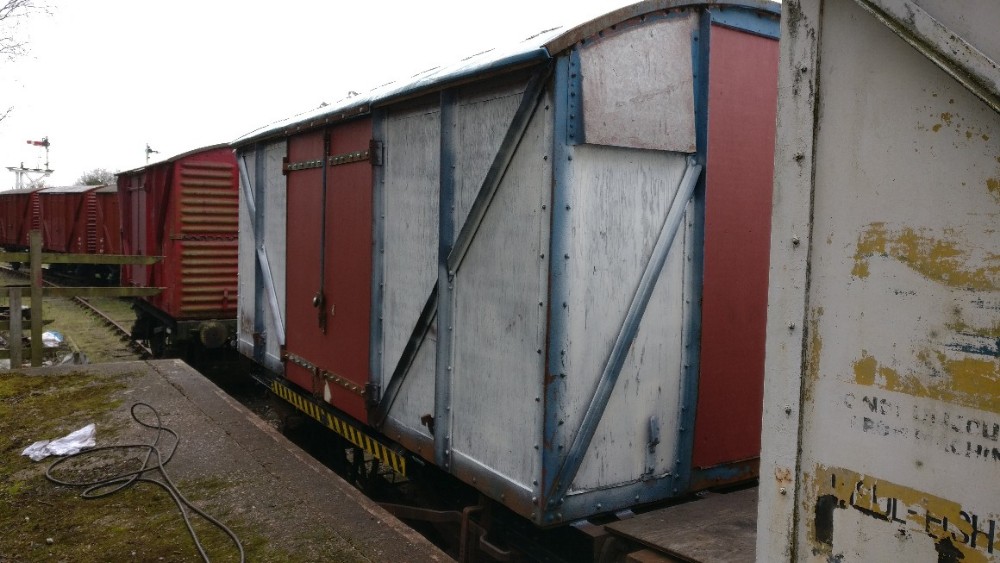
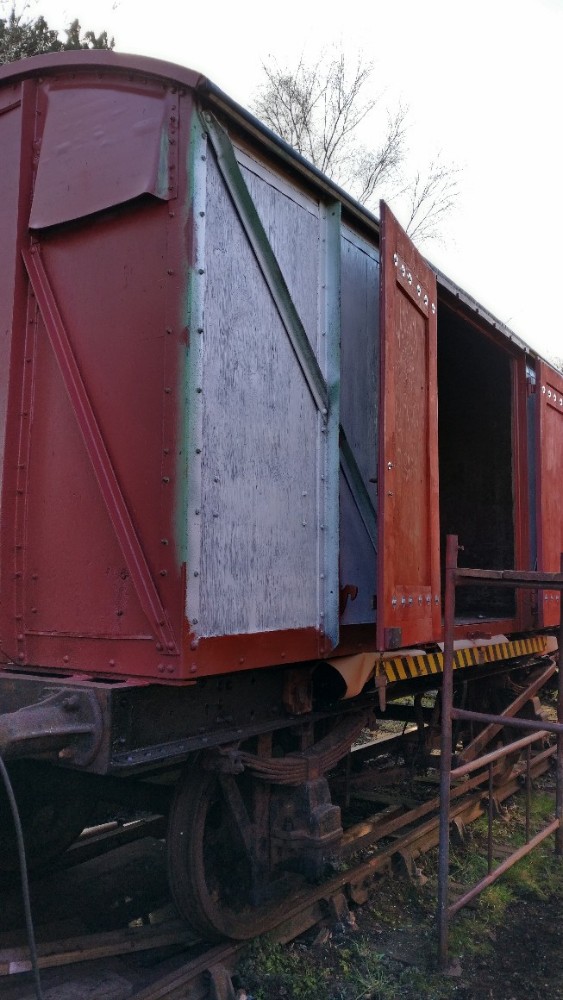
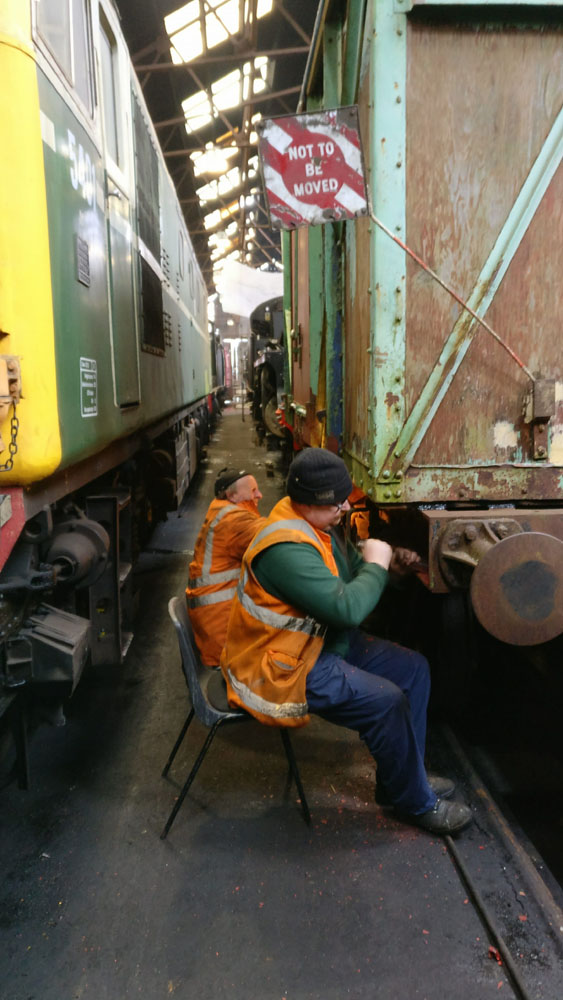
    On to this weekend, which saw us preparing the Fish van for its new colour scheme, whilst the Spring Diesel Gala was taking place. The aluminium body sides and ironwork was sanded, scraped and wire brushed in order to remove old flaky paint and to return the surface of the aluminium to a stable state, suitable for painting over. Areas where the ironwork was pitted was treated with red oxide primer. Some minor repairs to the bottom door runners were also enacted. These had dropped below the bottom of the door so weren’t supporting the door, making them hard to open.
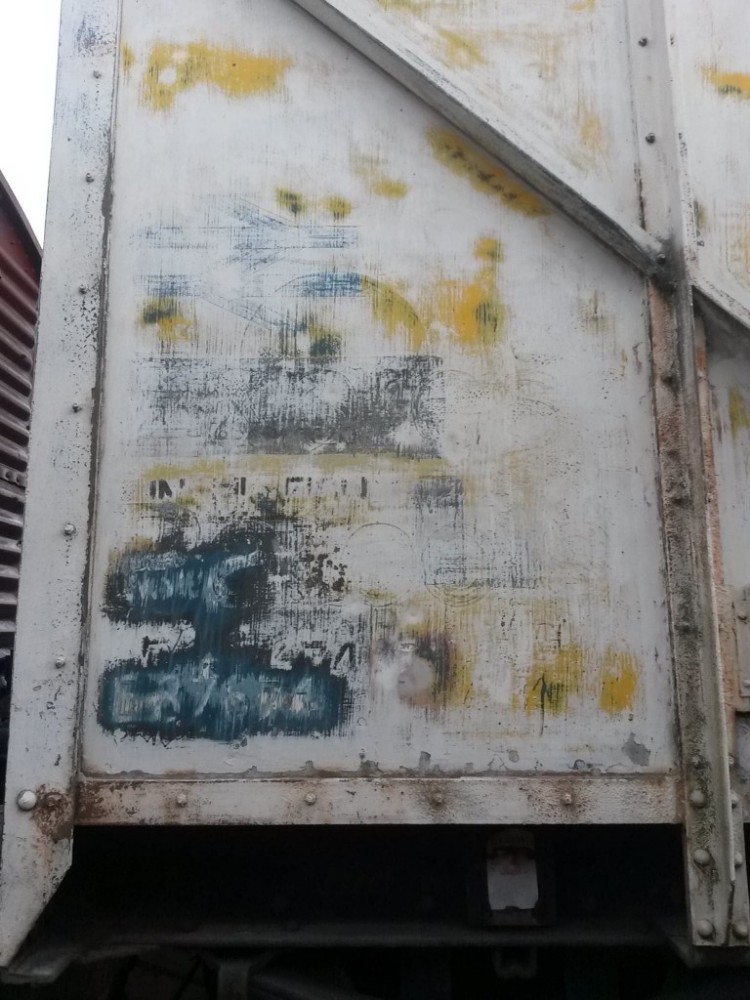
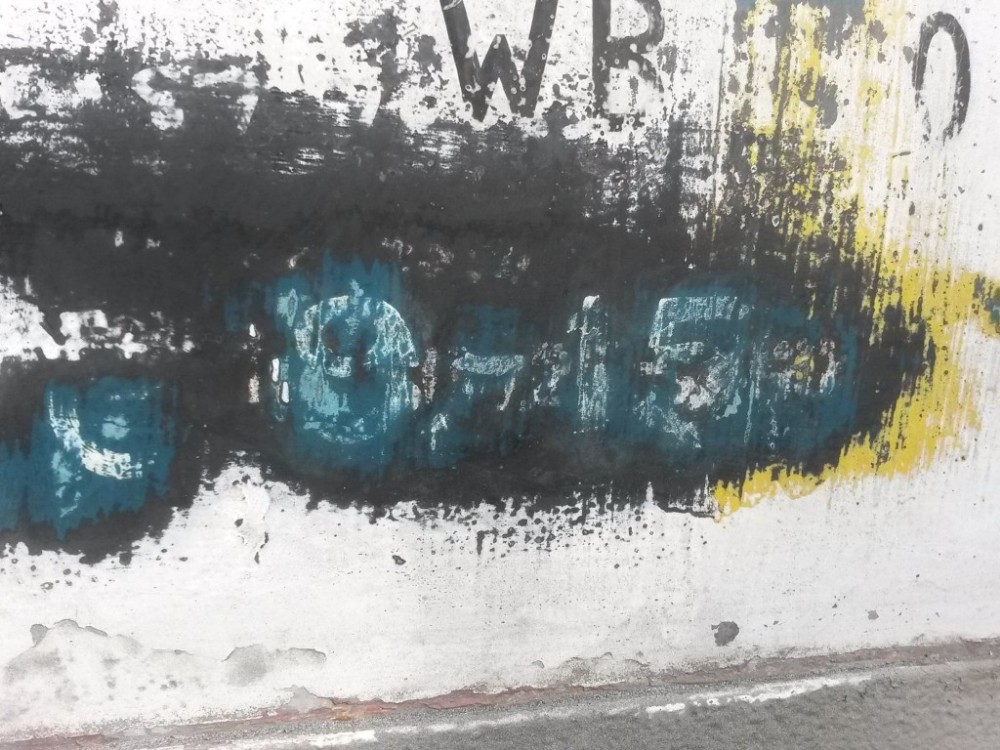
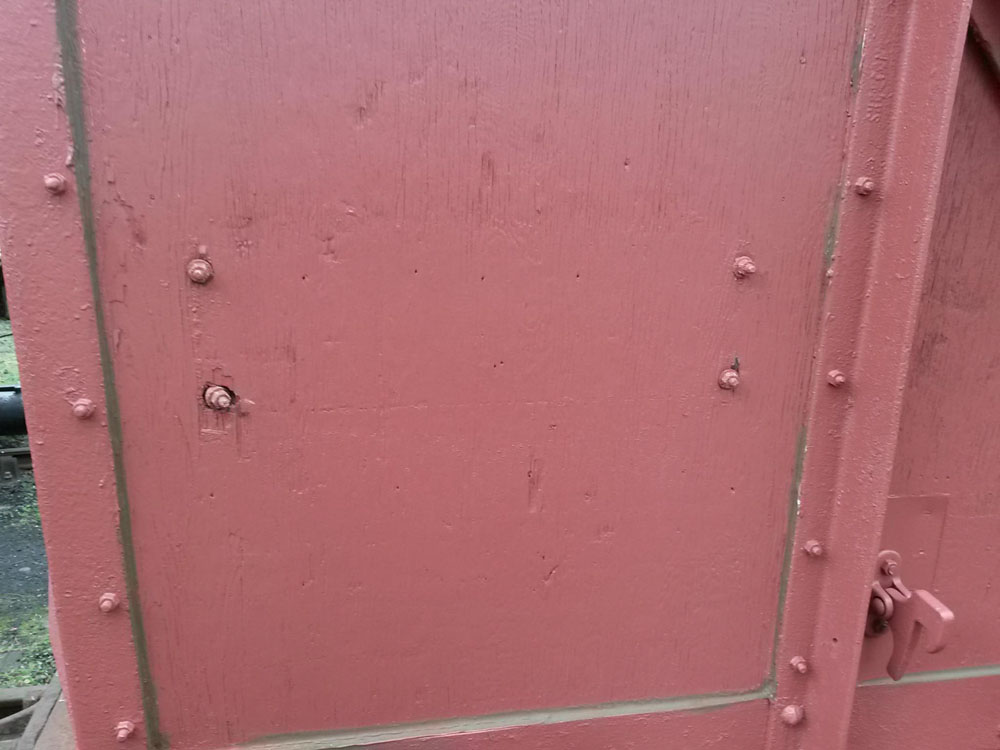
    The results of the sanding can be seen in the below pictures, the leftmost picture showing the various items that have been sign written onto the panel, not limited to; BR double arrows from its time in BR blue as an SPV, a Blue Spot from its time as an Insul-Fish and yellow from its time attached to a ballast cleaner as the tool van.
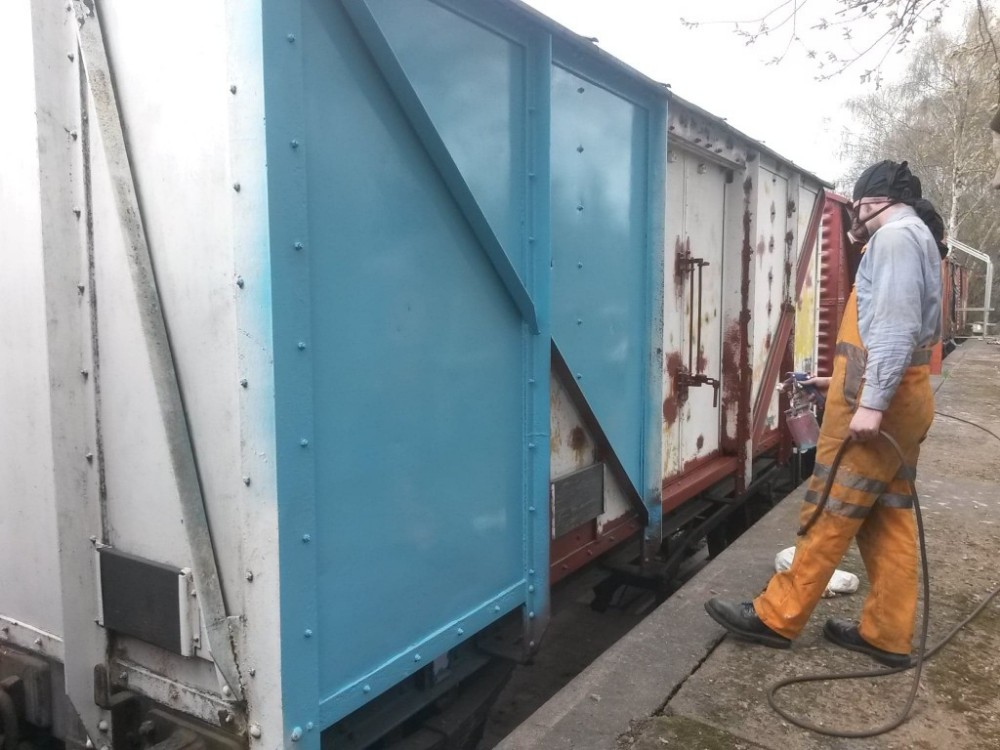
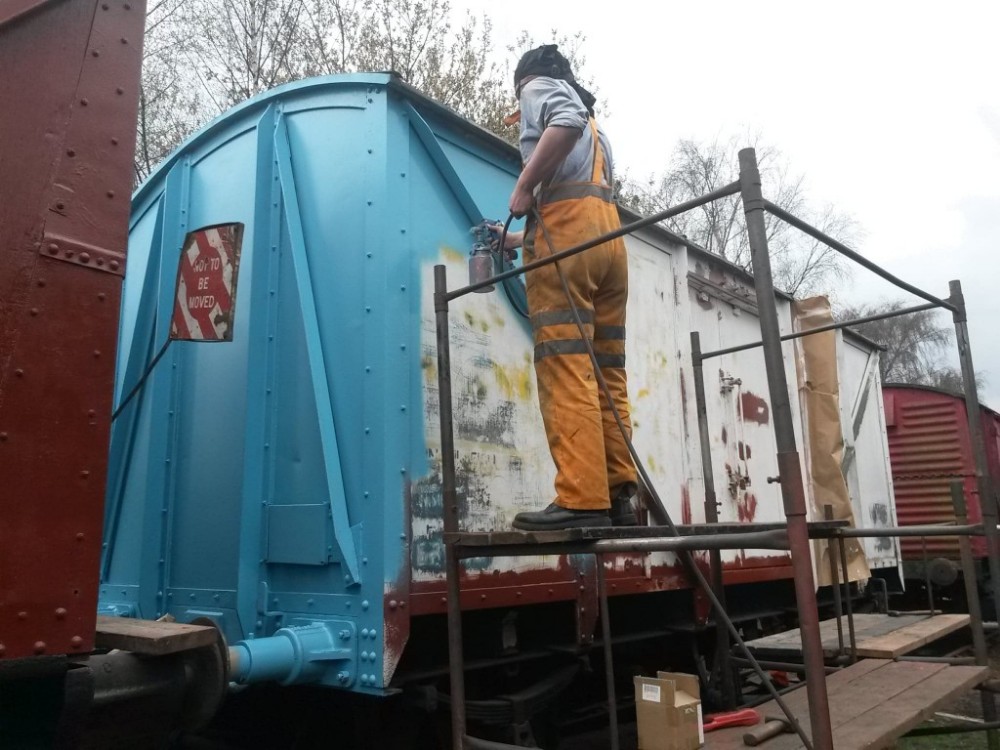
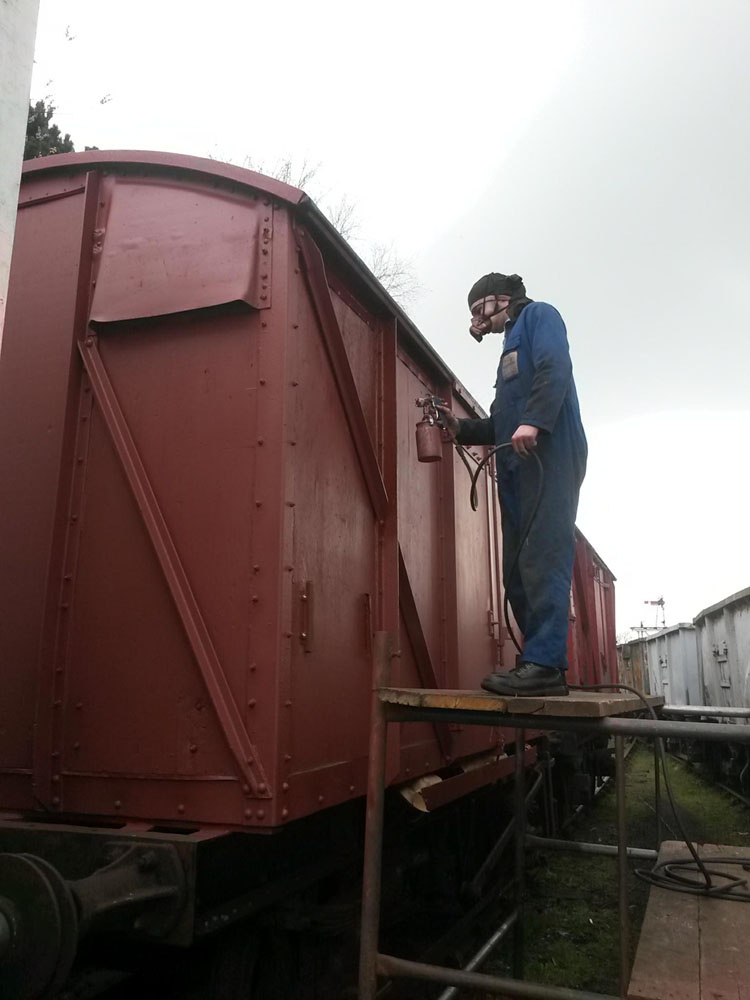
    Today, with the weather being changeable, we opted to start painting the van into its undercoat. It was nice to spray something other than Bauxite or Bauxite undercoat!

    The eagle-eyed among you with notice that we have painted the headstocks and buffers in the body colour. this is an unusual, yet prototypical detail that is rarely seen in the preservation of these vehicles. Unfortunately, the rain started so the paint had to go away. Next weekend, it is hoped we can finish painting the west side and the south end.
    In other news:

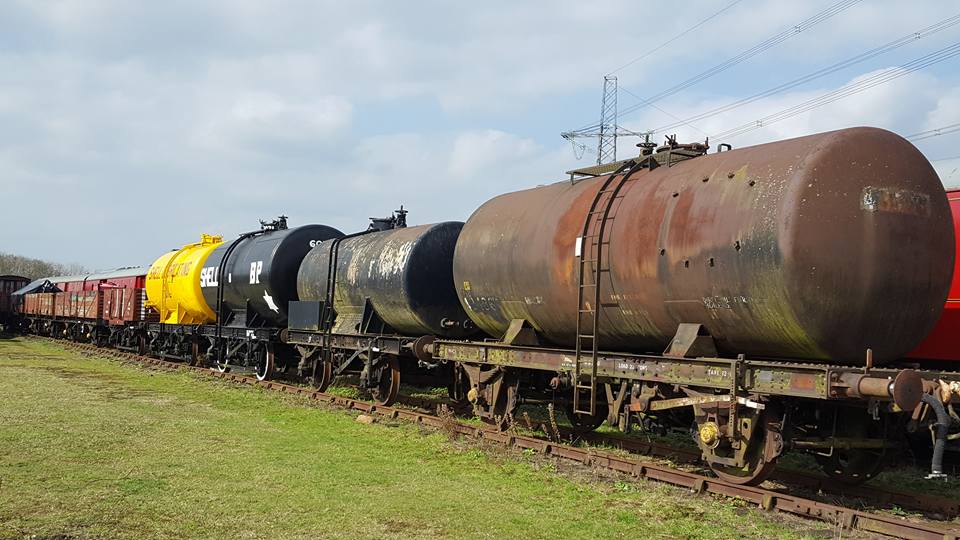
    The Swithland Wagon Group have finished their restoration of our tank wagon, A6581. Tommy Lees, Keith Lloyd and David Wood have done a fantastic job with this wagon, and it looks great on the front road at Swithland Sidings. I for one am looking forward to seeing it and A6071 in the trains at Good Galore!

    30741415_10156215292351668_5451630480976357813_n
    Photo by Tommy Lees

    Lastly, we took delivery and put into store a rather exciting item! Hopefully, more shall be announced in the fullness of time.

    wp-15238218015903609158132716337280.jpg
    Photo by Jack Shaw
  • 08/04/18 B850498 Job Done

    08/04/18 B850498 Job Done

    Another wet weekend but this has not deterred us.  In all honesty, I started lettering Thursday to take advantage of the good mid-week weather.  Friday saw the west side completed with the east side compete on Saturday afternoon.

    Saturday morning was dedicated to the shock stripes.  Measuring 4″ wide and 45″ in height from the bottom of the van body.  These were measured, masked and duly painted.

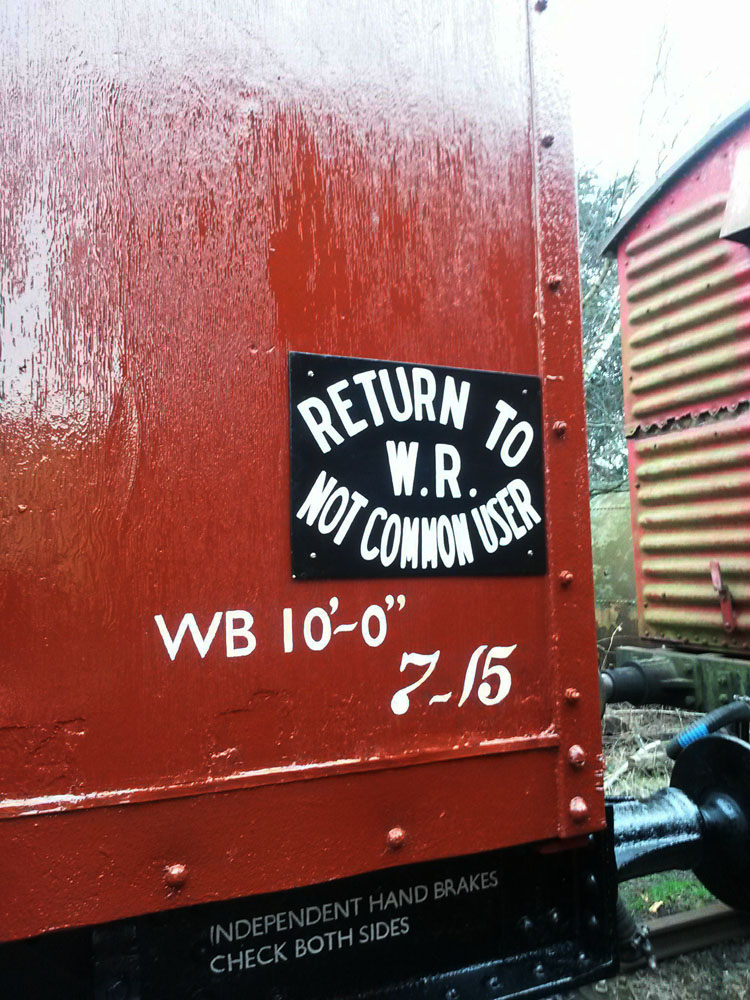
    As seen above whilst I was adding the painted details Nick spent the day scraping hovering and painting the unseen areas of the chassis under the vehicle.  The last thing carried out Saturday was to add the Non-Common User plates painted over Christmas.

    NCU plate

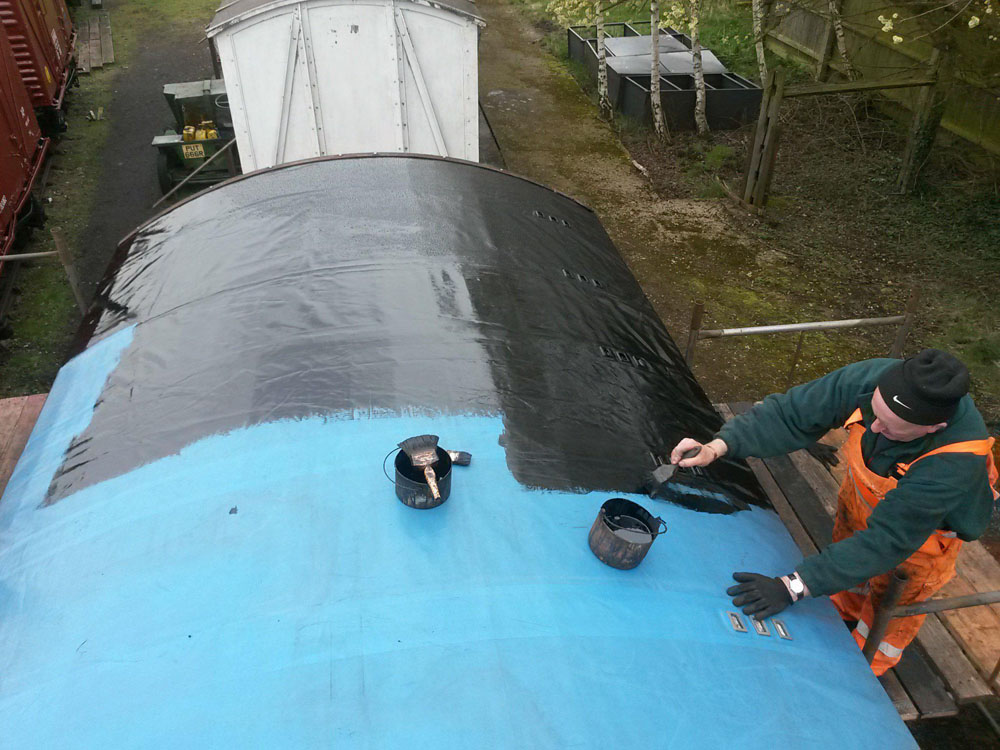
    Sunday was quite a poor day weather wise but did allow us to paint the roof.

    There are however a few remedial actions to be carried out on the roof because of the rain but this will be done in the coming week.  Thus we see the end to our Winter project 2018.  From Grounded Body in December 2017 to Diagram 1/207 Shockvan in April 2018.

    We are not finished however as we now move over to Diagram 801 Number E87674 our insulated fish van.

  • 02/04/18 Final Touches and Signwriting

    02/04/18 Final Touches and Signwriting

    The finishing line for B850498 is now in sight.
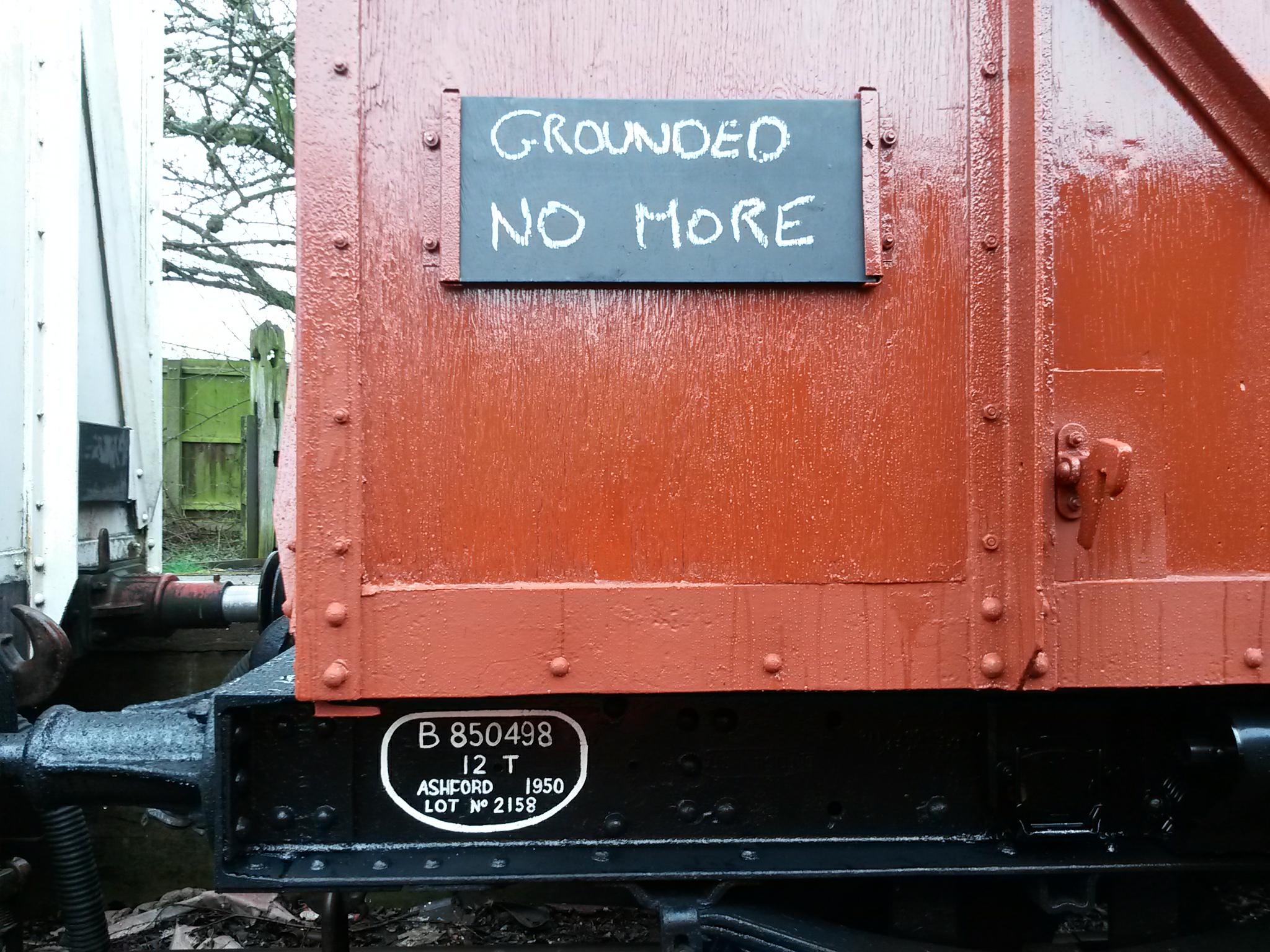
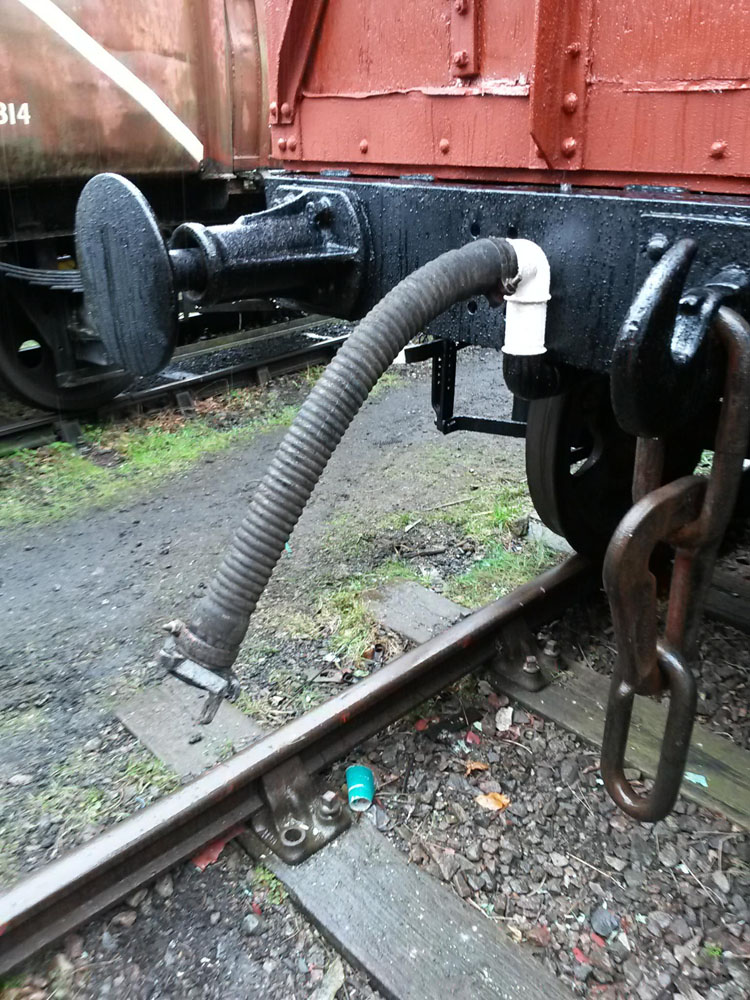
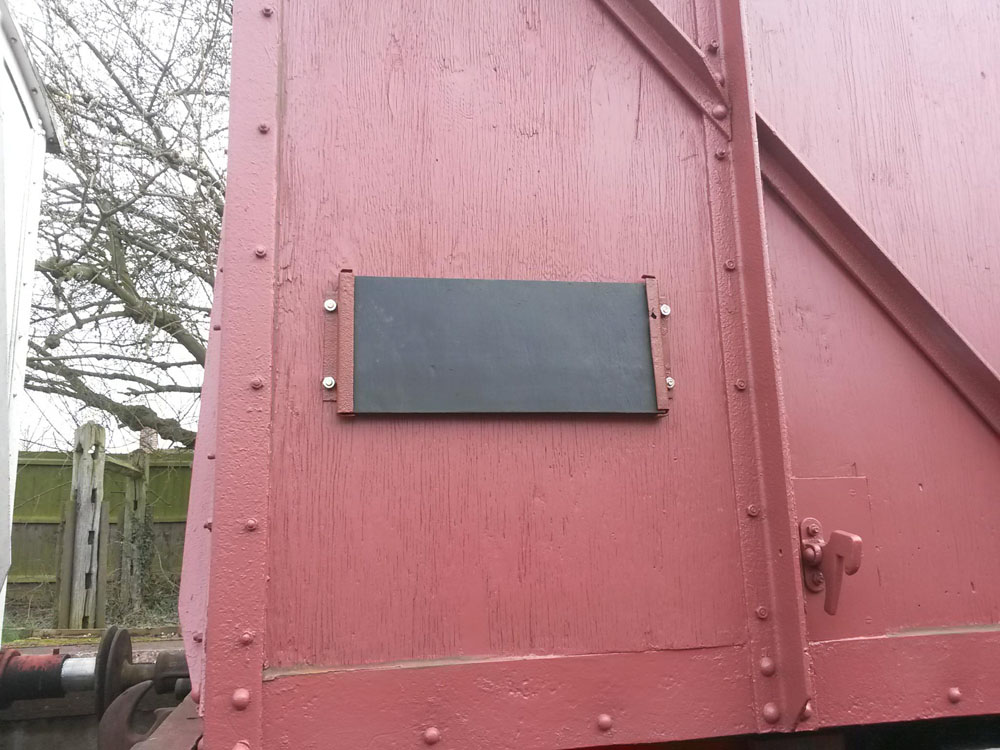
    Monday started with the forecasted rain so the final finishing touches were undertaken,  this was the fitting of chalkboards and vacuum hoses.


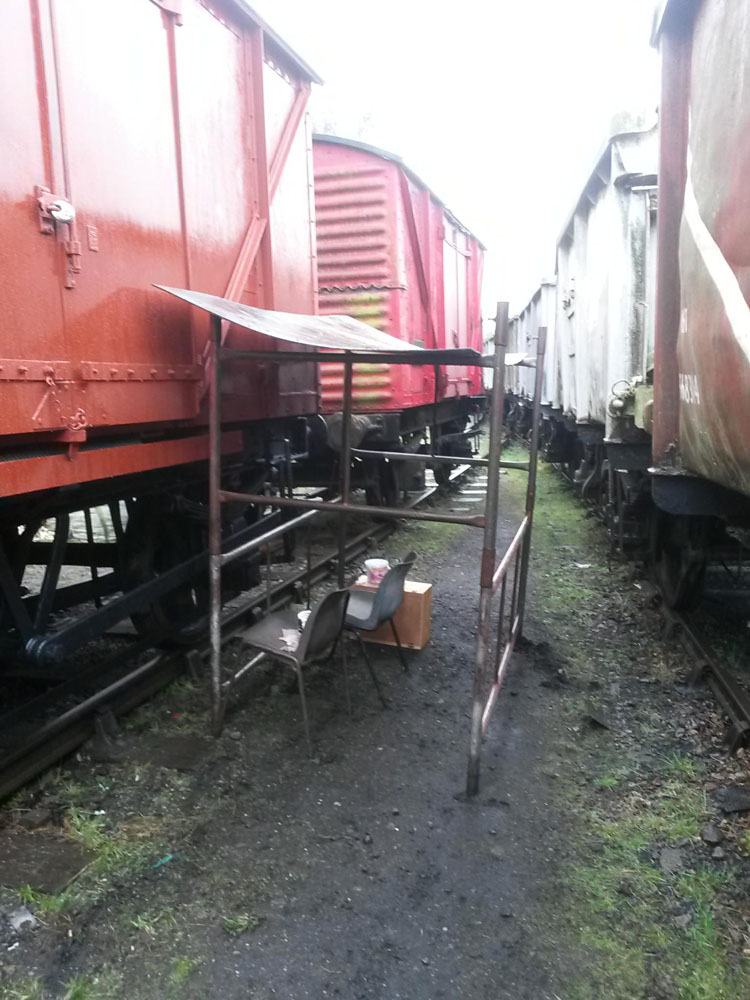
    With eyes to the sky, we set up a painting shack to keep the rain off me whilst I began signwriting the sole bar details.  This, however, turned out not to be required as blue sky and sunshine appeared.

    Paint shack

    I did say in my signwriting preparation post I would detail the technique I used to transfer the template design to the vehicle.

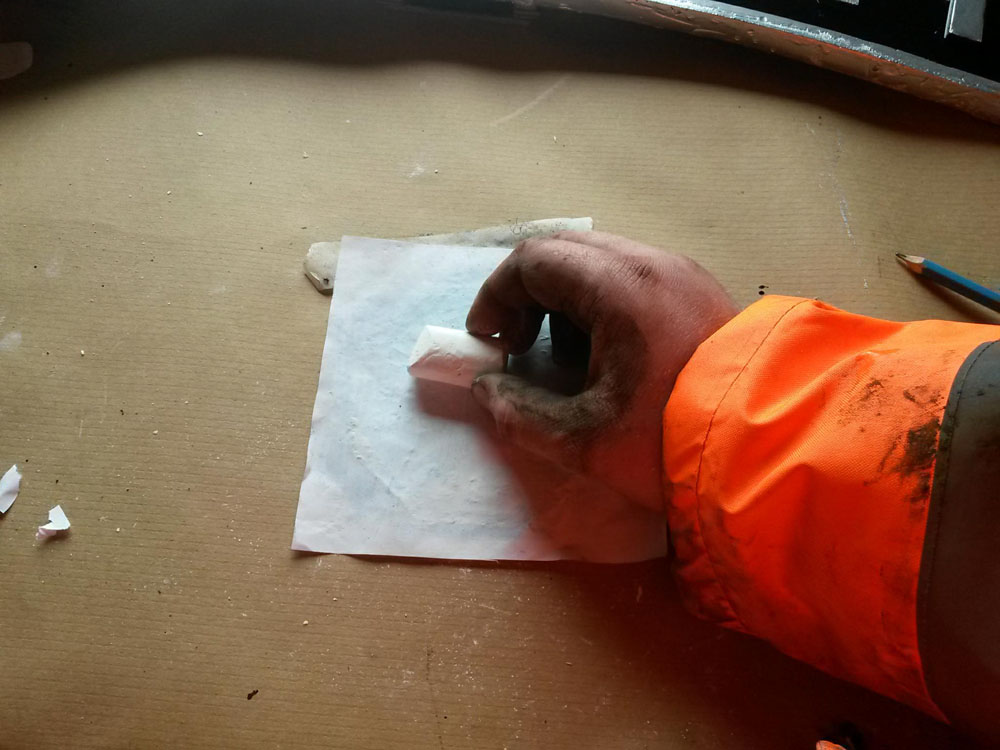
    First chalk is applied to the back of the template,  which is then positioned on the vehicle in the required position and drawn over.


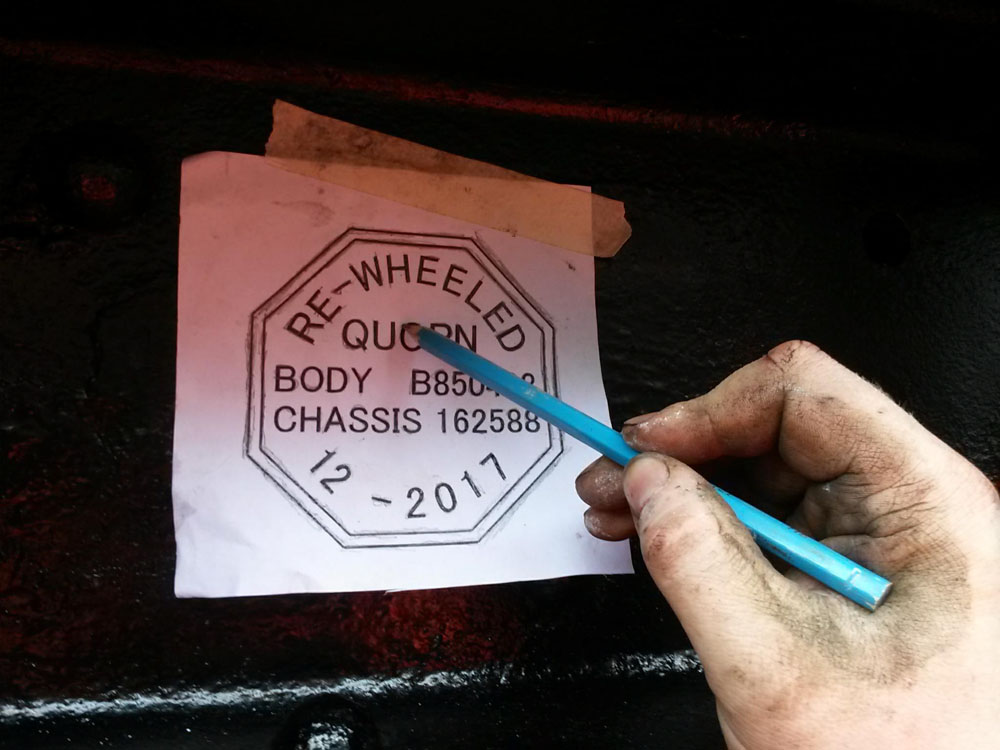
    This leaves a chalk version of the design on the vehicle which can then be used as a guide to paint too.


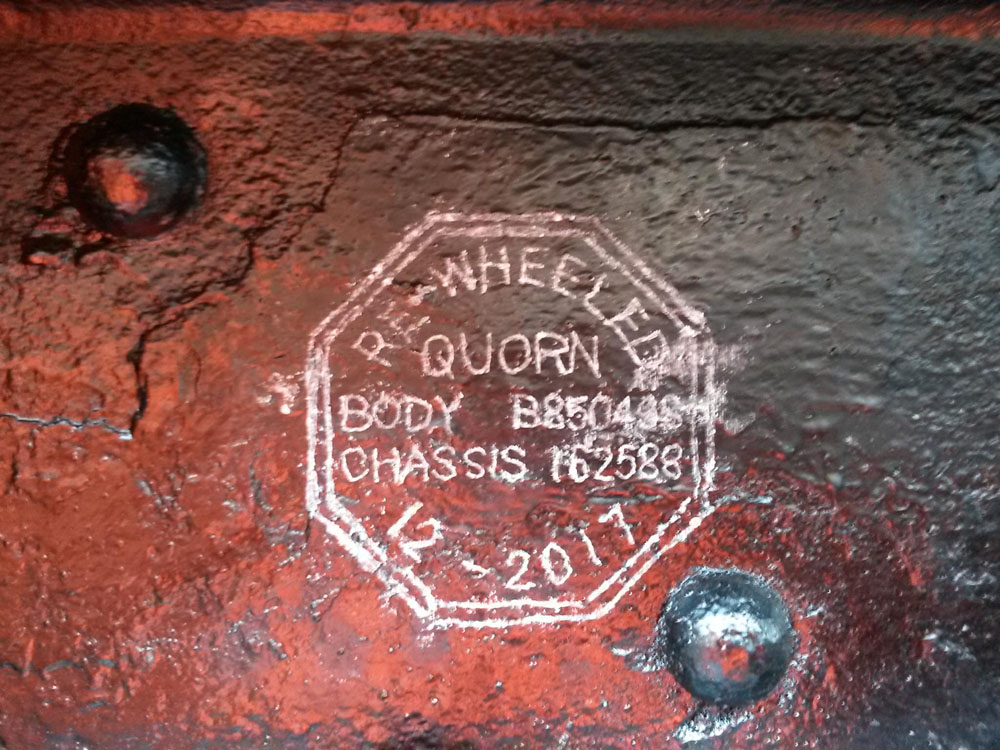
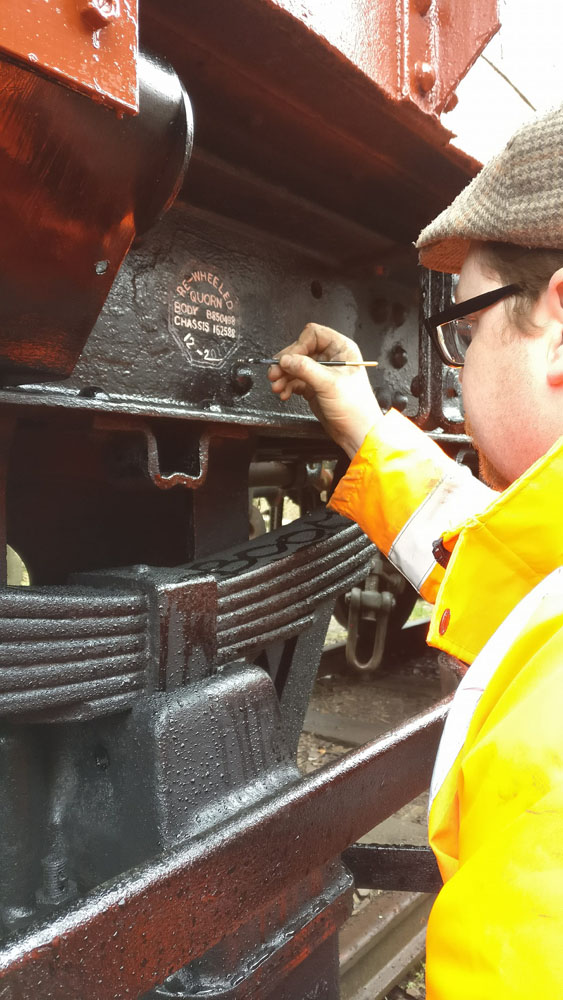
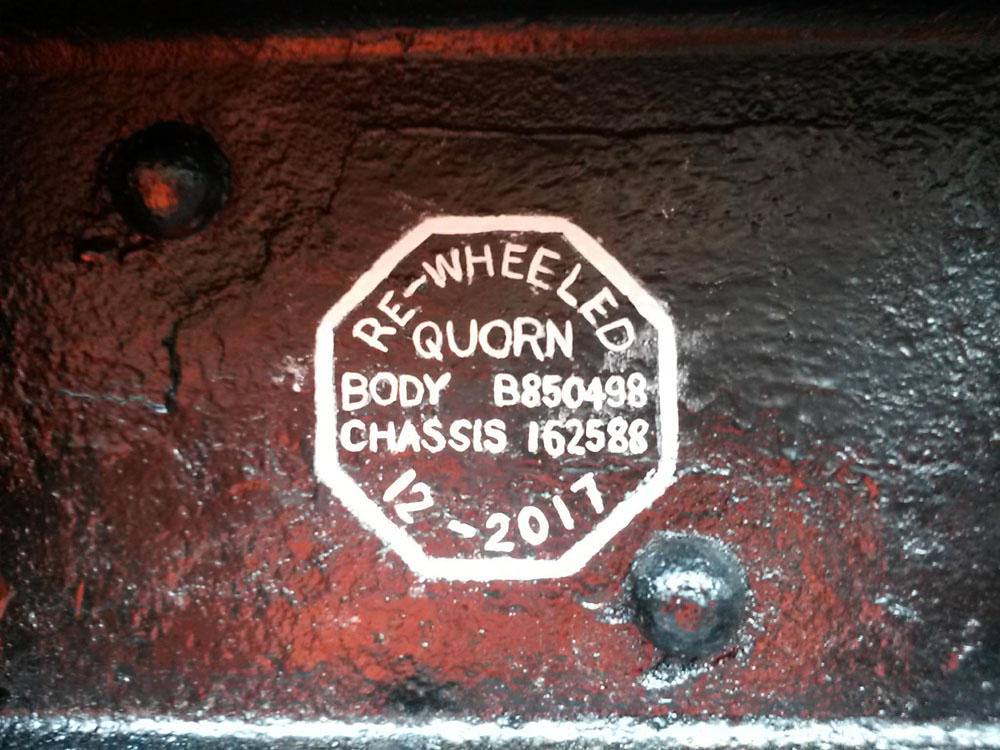
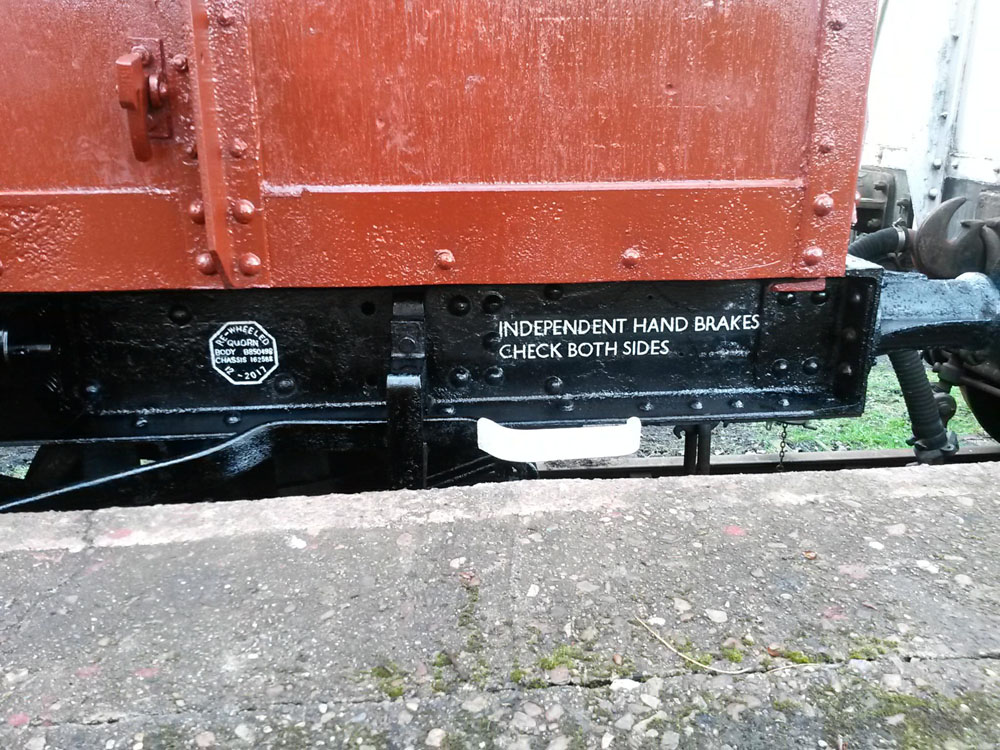
    The final item, in this case, a re – wheeled plate detailing our work on this vehicle, once the paint has dried the chalk will be wiped off.

    Paint

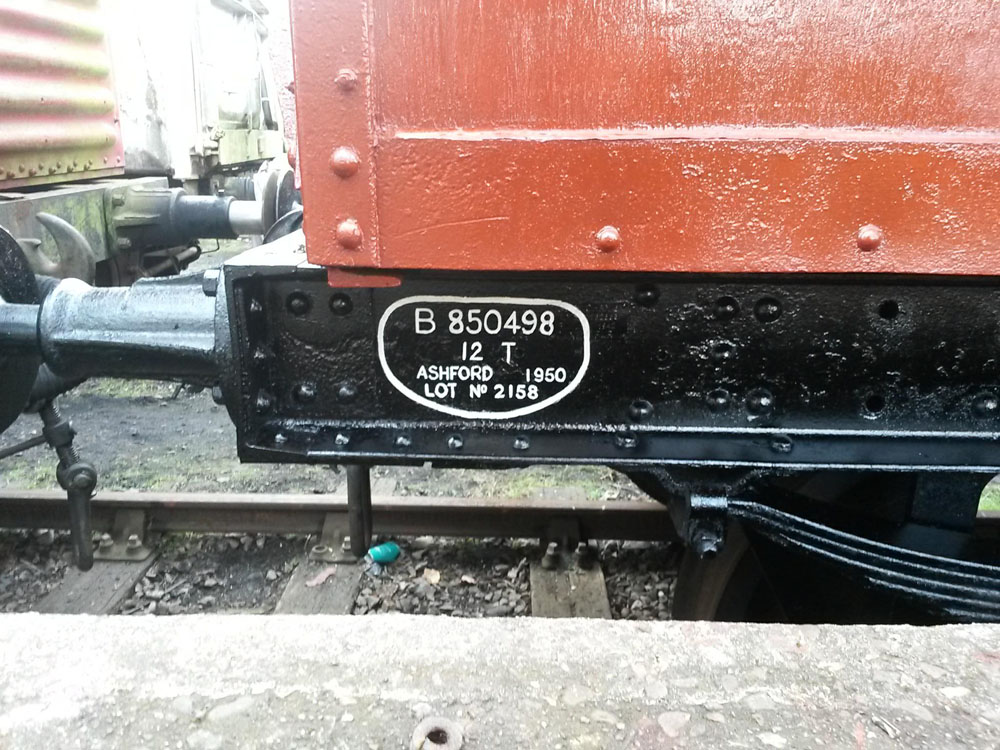
    Other sole bar details included the wagon plate, which we are signwriting at this time as detailed in a previous post and a note regards the hand brakes, this is because the tank wagon chassis has no crossbar which allows the brake blocks on both sides of the vehicle to be applied from either side this is an unusual arrangement for a BR vehicle so the note highlights this oddity.


    So fingers are now crossed for a dry week, so the body lettering, shock stripes and Common user plates can be applied next weekend.

  • 01/04/18 Top coat on

    01/04/18 Top coat on

    With luck and constantly viewing BBC and Met Office weather apps we were successful in our wish to get top coat on B850498

    Friday began with removing the old bolts from the chalkboard locations.  With them removed we ensured the chalkboards we made some time ago fitted.  The boards were then left off in preparation for the top coat.

    This is when the weather watching started.  Friday we took a risk and applied the first coat.  As soon as the spray gun was lowered the heavens opened.

    It wasn’t until Sunday that we returned and as expected the paint suffered from some pock marking.  This was duly sanded and again the weather apps came out.  With cloudy skies and no rain forecast, Ross started.

    Nick and I followed Ross with brushes and touched in the areas inaccessible by the spray gun both the body and underframe received top coats and by the end of the day the whole vehicle was sufficiently dry to add the handbrake handle and through pipe white details.

    With one more day to go on this Easter Bank holiday and a washout forecast, we are however again watching the weather apps with fingers crossed that I can start the sign writing.


  • 29/03/18 Signwriting preparation

    29/03/18 Signwriting preparation

    Hopefully if the weather does hold B850498 will have a gloss coat this weekend.
    I have taken the time to prepare templates for the signwriting and will have them with me this weekend fingers crossed all goes well.

    BR had set lettering sizes for vehicles.  On Goods stock this was:

    3″ for Running Number
    3 1/2″ for Running Number Prefix
    2″ for Capacity, Tare and Wheelbase detail

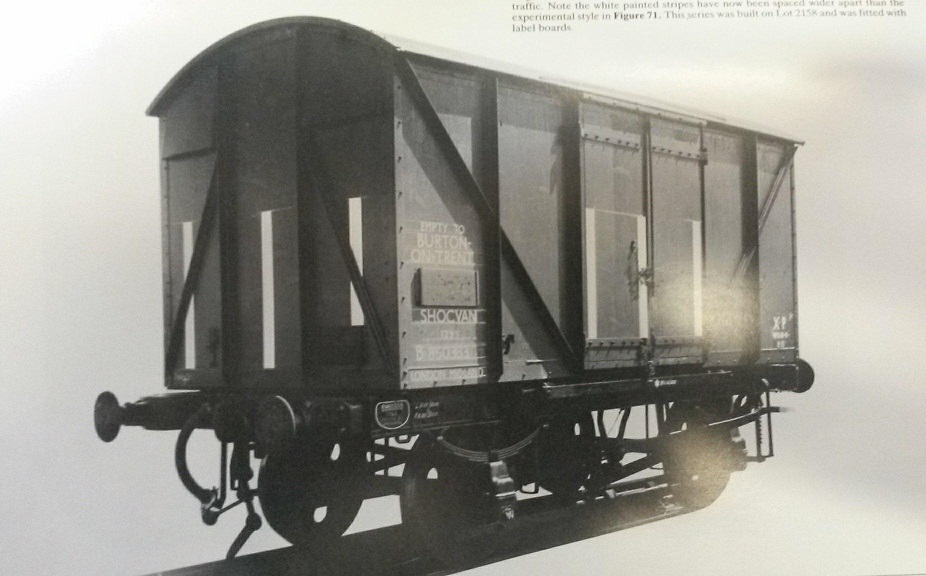
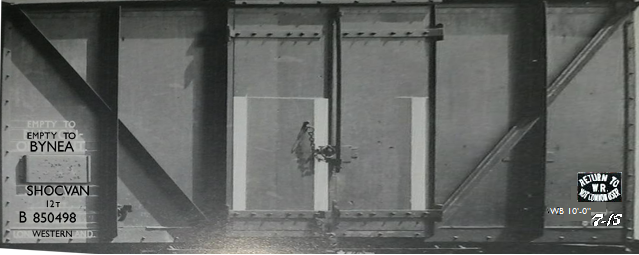
    The best reference is always images of stock you are doing or at least vehicles from the same batch and lot.  It so happens we have an image of B850333.

    850333
    B850333 in 1957 ex works condition

    Image: FREIGHT WAGONS AND LOADS IN SERVICE ON THE GREAT WESTERN RAILWAY AND BRITISH RAIL, WESTERN REGION
    Author: J.H. Russell
    ISBN: 0860931552

    This image shows the vehicle in ex works condition in 1957,  so fresh out the paint shop that the signwriters chalk marks are still visible.

    In Photoshop I create a file that’s dimensions match precisely that of the vehicle I wish to sign write, with an image such as above and a little manipulation I can stretch and skew so the van side in the image is stored in digital form at full size.

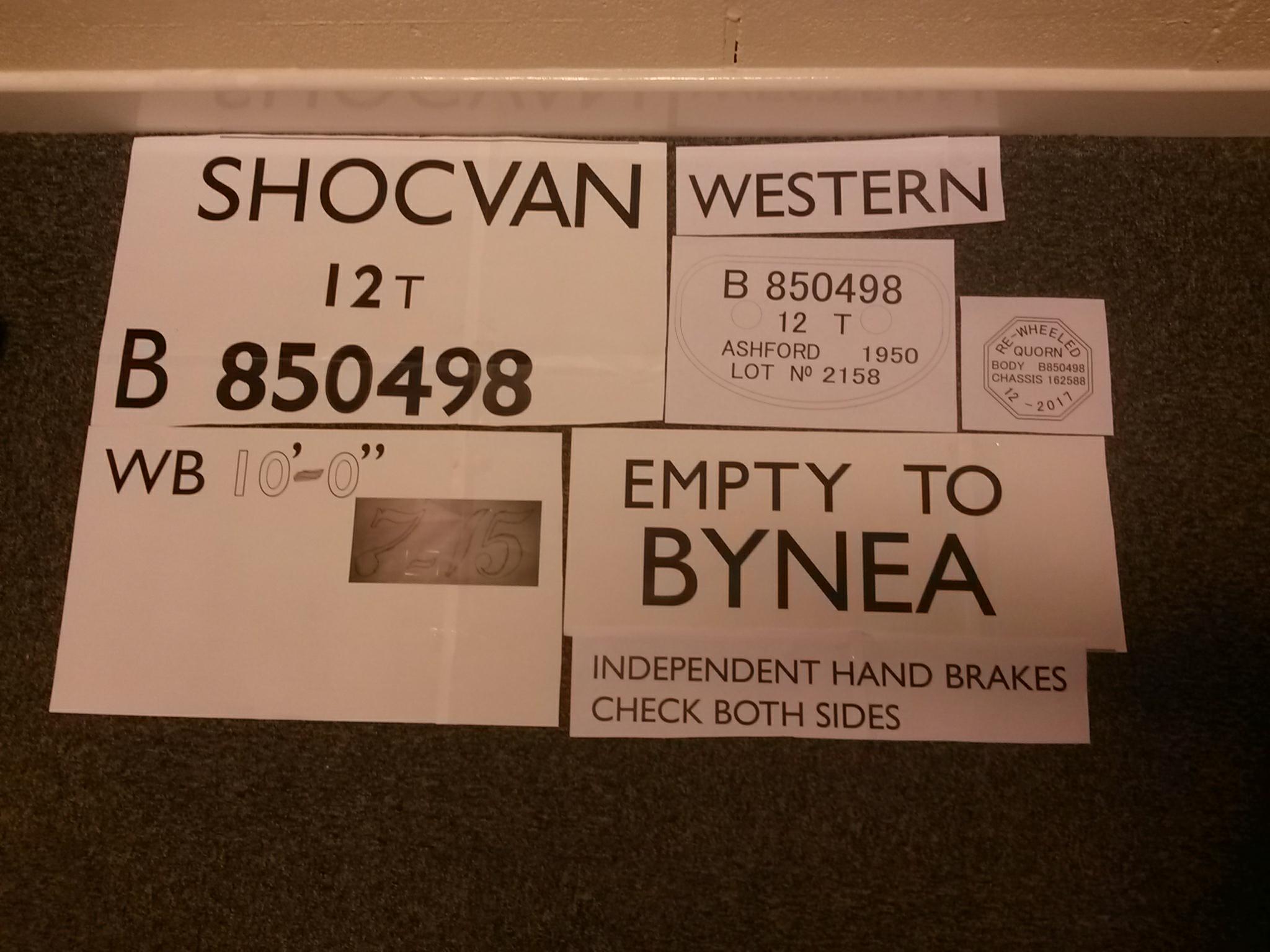
    With that image I can then manipulate the lettering and confirm the BR sizing was used, which was confirmed, I then overlay the lettering I wish to apply and in the relevant style, this is a mixture of hand drawn and scanned templates, Photoshop draw typefaces and system fonts.

    With further research we know the vehicle was allocated to Bynea in Wales and that early BR vehicles allocated to the Western Region received GWR style lettering along with BR Style.

    This results in the below image which details my proposed placing of letters on the vehicle.

    Plan
    Proposed lettering styles and layout

    The areas of lettering can then be copied and saved as individual files although retaining there full sized dimensions and when printed create the templates.
    Sole bar plates are also sign written and in the fullness of time maybe cast in house as we are currently looking into the process.
    Templates
    When I begin the signwriting I will detail how these templates are then transferred to the vehicle.


  • 25/03/18 We have painted!

    25/03/18 We have painted!

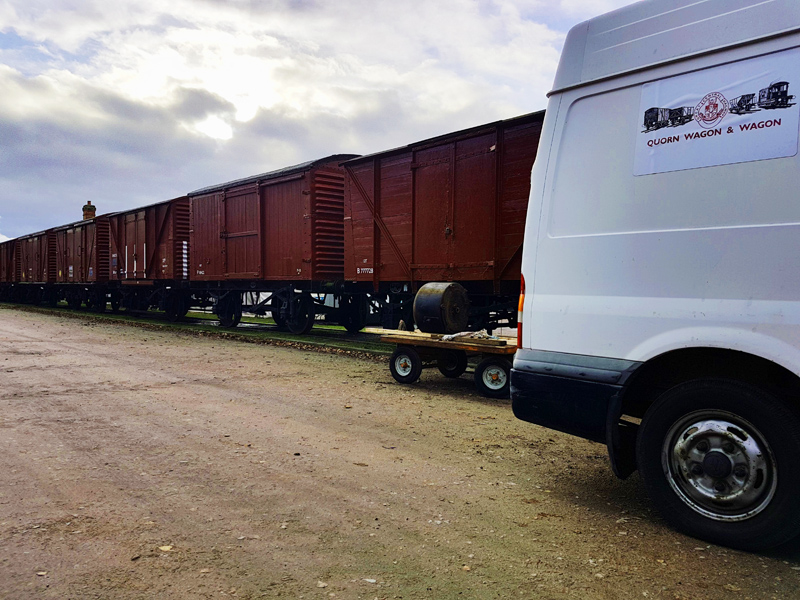
    Welcome to this week’s update from Quorn Wagon and Wagon! The weather was excellent the weekend just past, so we managed to paint B850498, the first van to be painted this year. Looking back to last year, we painted B852838 into undercoat on the 2nd April, so we are one week ahead this year!

    wp-15220437725128307197508280373234.jpg
    Warm sunny weather!

    On Saturday, we finished preparing the wood work on the van while the temperature rose sufficiently to begin spraying. The wood was painted with wood primer, where special care was taken to sand down the temporary numbers so that they wouldn’t show through. The iron work was painted were is was bear with red oxide primer.

    On Sunday, we went one step further and painted the van into undercoat. Sadly we must mourn the loss of our beloved compressor, Edward. This van proved too much and the motor burnt out!

    Despite threats of the “Beast from the East 3.0”, we are hoping to paint the top coat next weekend, whilst the Railway’s Easter Vintage Festival is taking place. Thanks for reading!

  • 18/03/19 Snow, Scraping and Sanding

    18/03/19 Snow, Scraping and Sanding

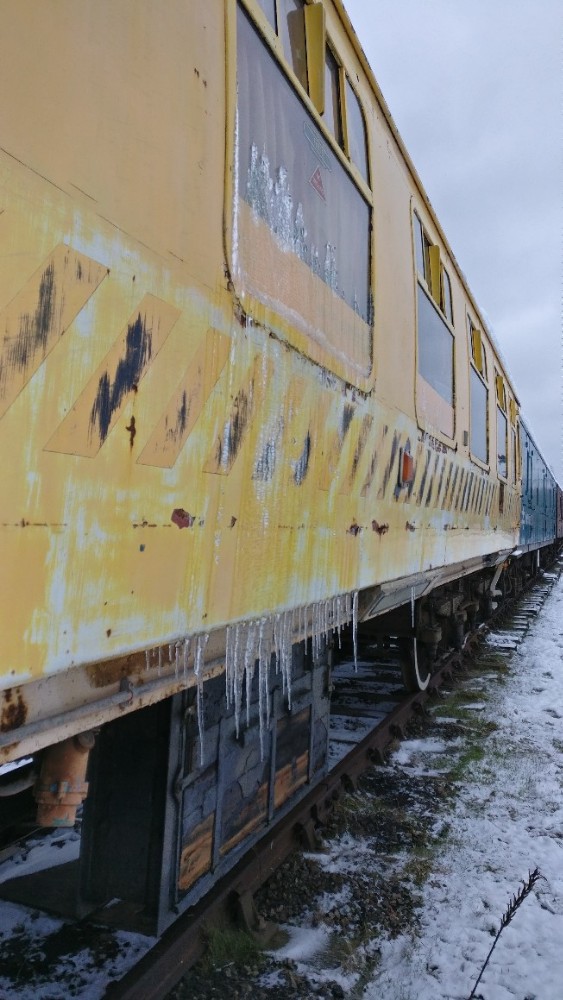
    A small update this week due to the weather. Last weekend, we had to turn the heater off in the yellow coach, this weekend we could have done with another!

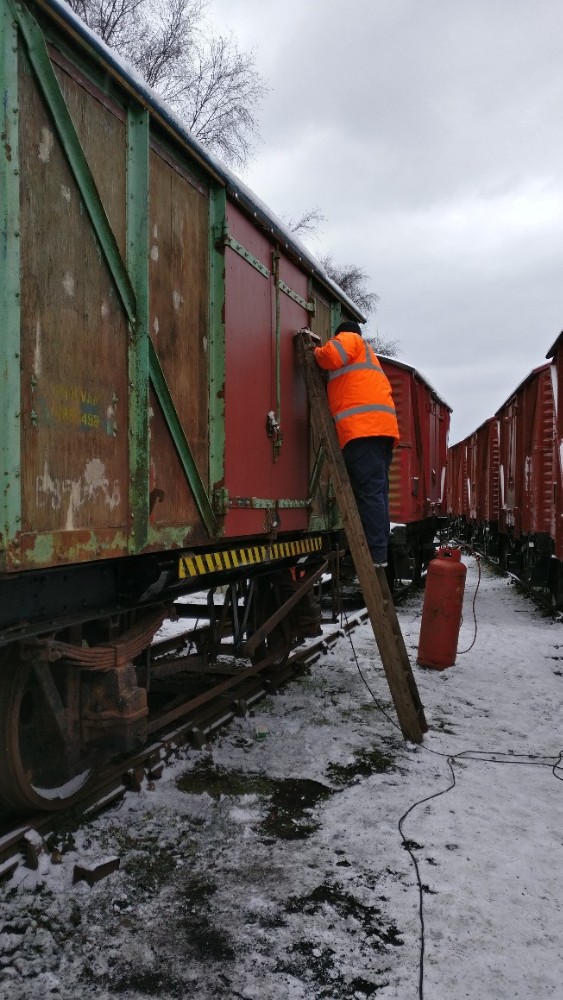
    This weekend has focussed on B850498 to ready this vehicle for paint. We started by stripping old layers of paint by using a heat gun, as was successful on B780282. the heat gun proved of limited success, due to the wind and the temperature, so we cracked out the gas blowtorch. The gas torch proved very successful if a little vicious especially near the new roof sheet.

    Following the paint stripping, we sanded every panel using 40 grit paper. This cleared the small slivers of paint left during the stripping process and leaves a fairly even surface on the ply, ready to receive some primer when the weather is warmer. Unfortunately, we also killed our 2 sanders prepping this van, so the hunt begins for more!

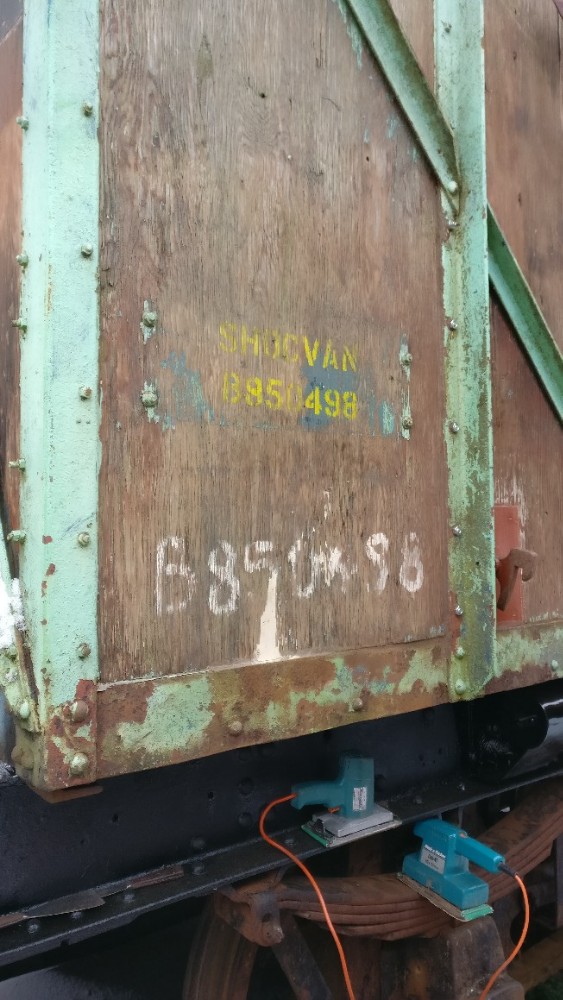
    A few small jobs were completed: Fitting wagon label clips and repainting the number after sanding, in order to abide by GCR rules. This has been stencilled under the chalkboard so that it won’t be seen when the van is painted up.

  • 11/03/18 Shocking stencils

    11/03/18 Shocking stencils

    A little fragmented this weekend as we had a few distractions for members of the team,  Mothering Sunday, Scout activities, a Photocharter, but more importantly the first Swapmeet of the year.


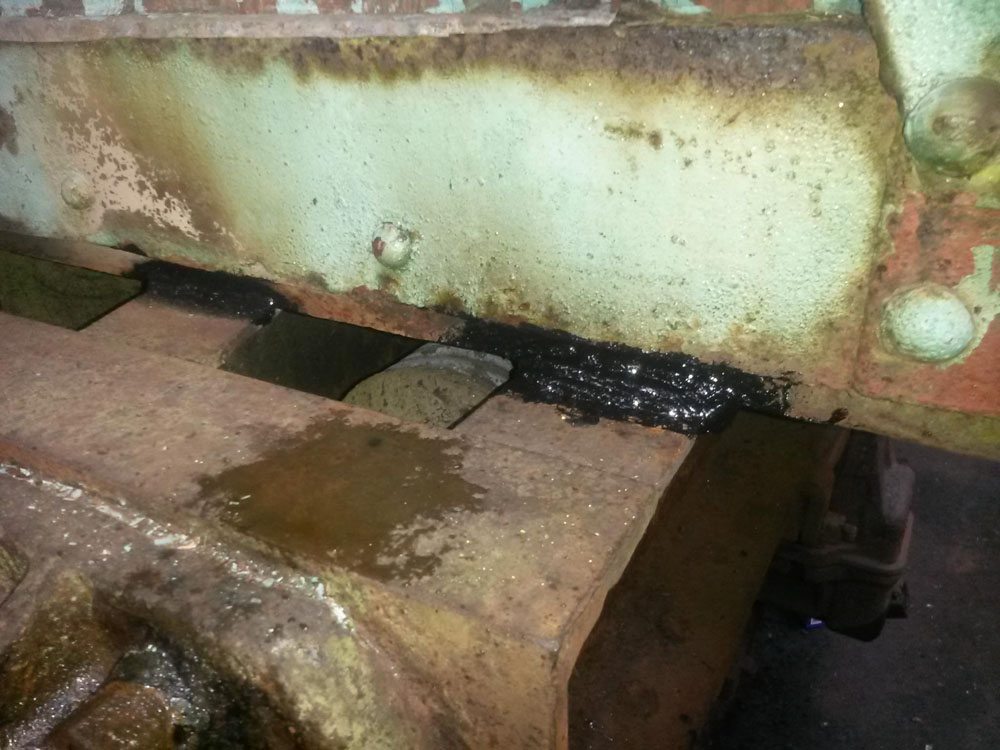
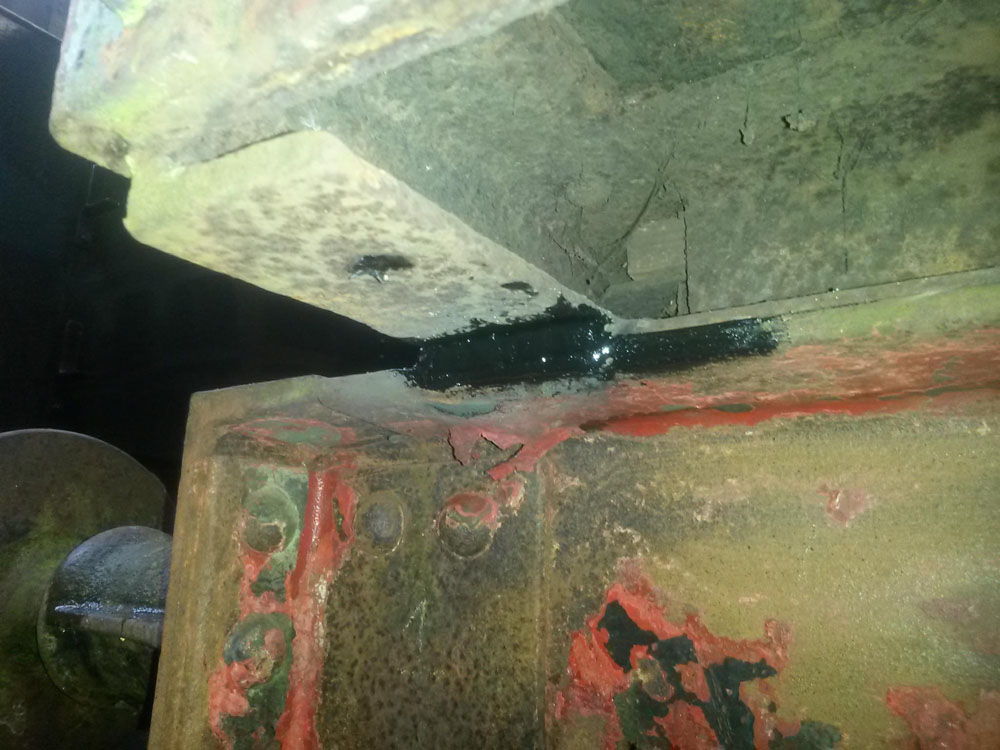
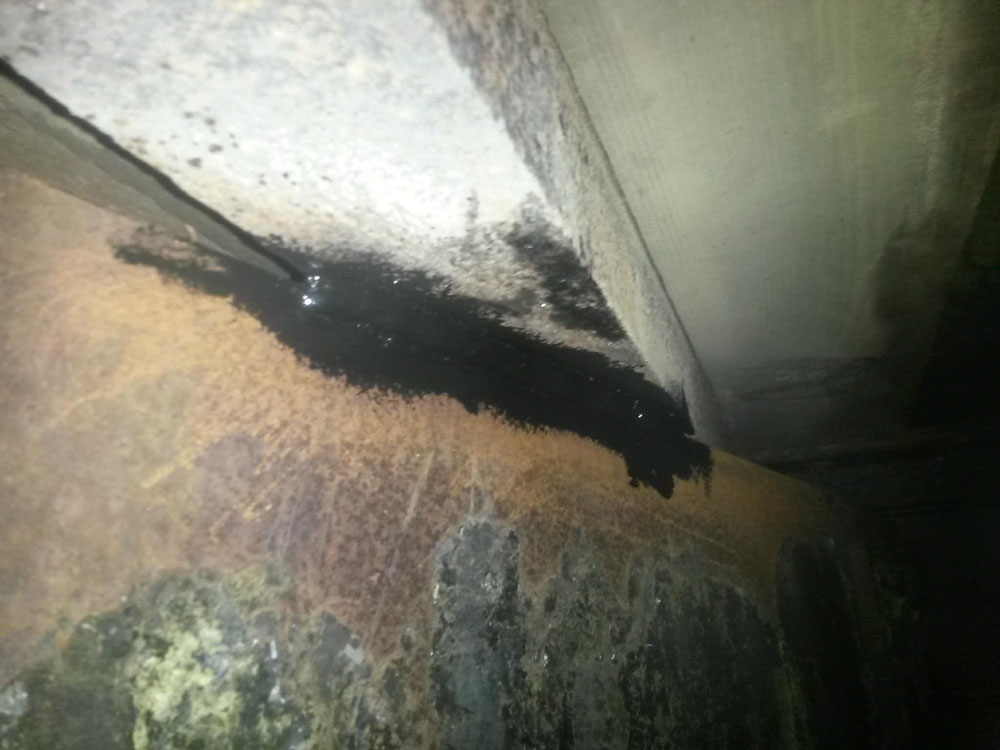
    B850498 now has the dummy shock gear attached permanently and once it was fitted the bare aluminium received a coat of bitumen


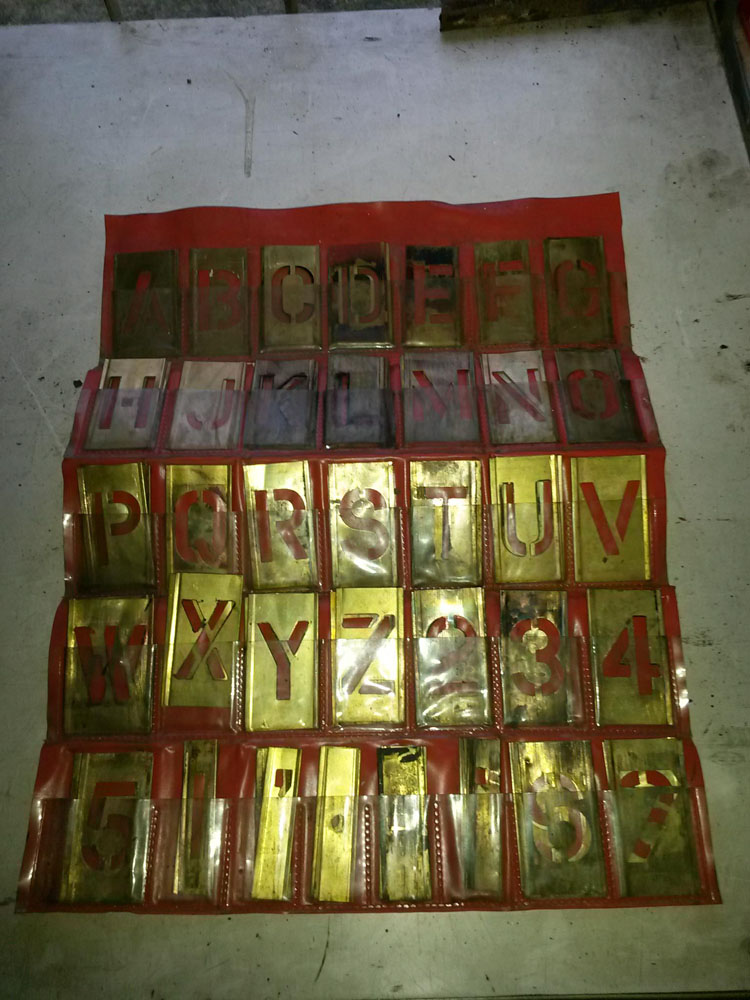
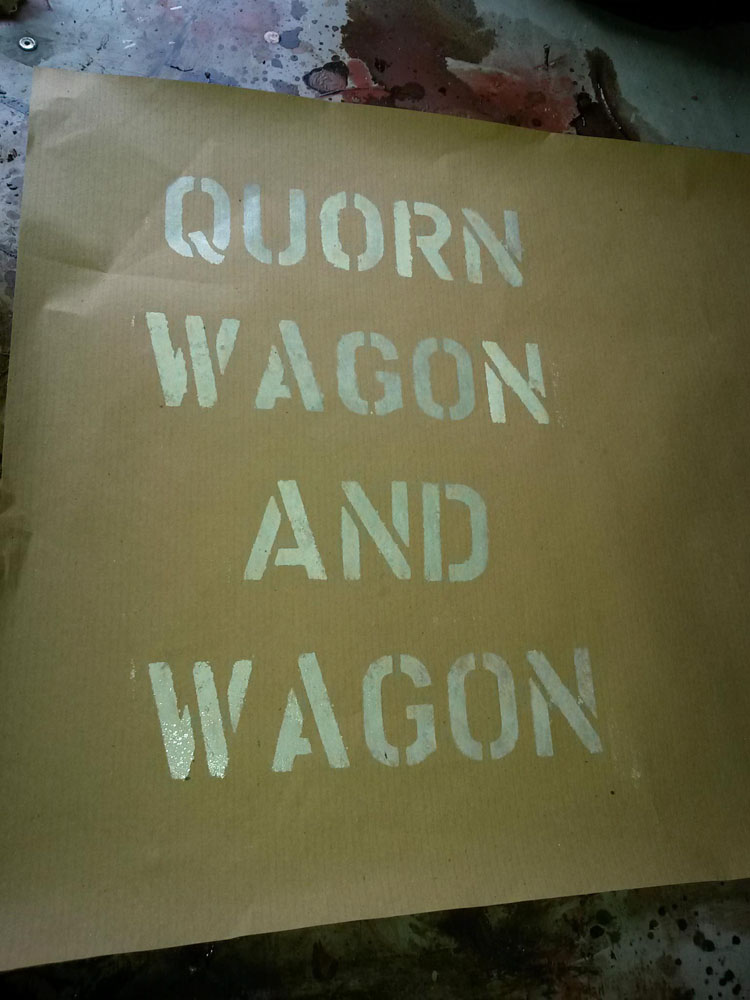
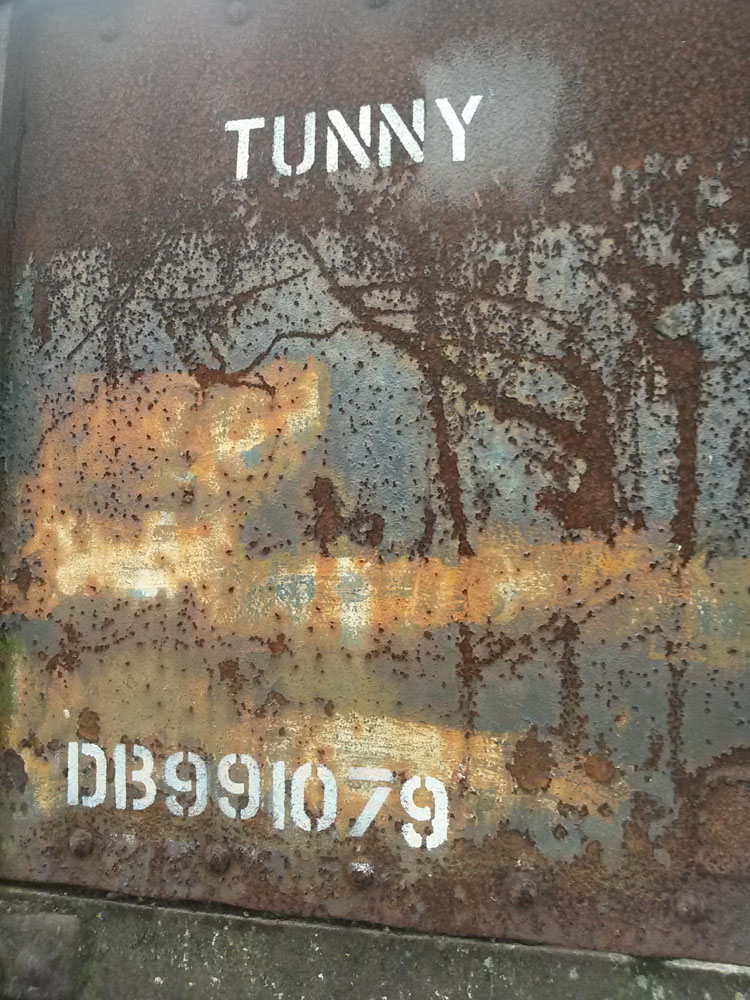
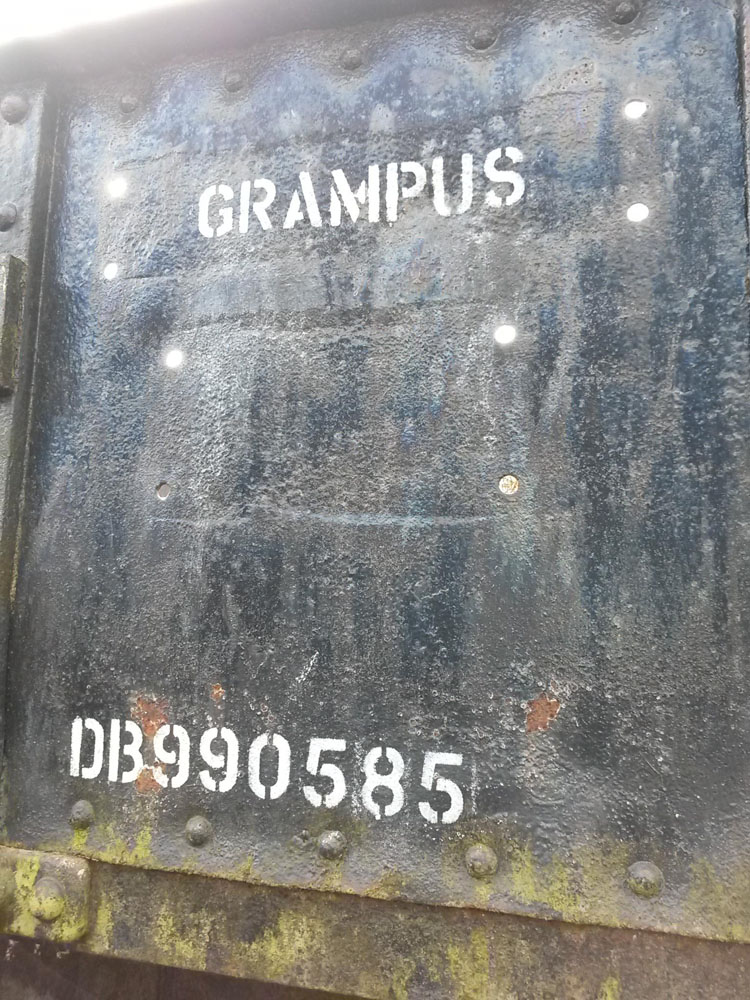
    A requirement for vehicles on the GCR is to have their running number clearly visible on serviceable vehicles. A number of the P Way fleet had lost their numbers so it was decided to apply these.  Quite by chance, however, looking around the swapmeet we found an almost complete set of brass stencils these were put to work instantly.  Although not to BR standard each vehicle is clearly identifiable and full signwriting will be complete as each goes through restoration, more than likely next year.


  • 04/03/18 Two become one

    04/03/18 Two become one

    The big news this week,  with thanks to the locomotive department, B850498 is no longer a van body resting on a chassis it is one single 12T Boxvan.  The body and chassis were welded together in the week and unfortunately due to the weather has remained in the Loco shed awaiting return to Quorn.

    With the van away we spent time cutting some felt pads for the imitation shock gear.  These are essential because the brackets are made from aluminium and the van has a steel solebar.  These materials although quite close on the galvanic scale are far enough apart to take steps to reduce corrosion.

    We also took a trip to Loughborough to prepare the van sole bar for the permanent attachment of the imitation shock gear.  Both sides were scraped, rubbed down and painted in bitumen again as a measure to reduce corrosion.  We have not done the whole underframe as we usually spray the bodies first and there is a possibility of overspray.


    Finally, for the theatrical van, we wrapped some more parcels as well as refreshing the wrappings over the newspapers.  This meant that for the first time since preservation our Newspaper Packing van (GUV) was used for packing newspapers.

  • 25/02/18 Roof sheets to the wind…

    25/02/18 Roof sheets to the wind…

    At the tail end of last weekend, I mentioned that we had prepped a roof sheet ready for fitting onto B762855. As it was still very much frozen upon arrival at Quorn, we shunted the vans down so that we could get the scaffold tower round all side of the van and be on even(-ish) floor.

    The Roof end hoops were stripped off, along with the old roof covering. The roof boards were scraped of roof adhesive and then brushed off all debris.

    The new sheet, having been rolled up in the week, was hoisted up on the roof and rolled out and positioned. One end of the sheet was fixed to the van using one end hoop, and then tensioned north to south, and fixed in place with the next roof hoop.

    The roof sheet was fixed along the side using stainless steel staples through the sheet and into the roof boards. The west side of the van (the side facing the running line/GUV and yellow coach) was positioned such that it could just be tucked up and fixed, which left the east side of the van with a huge curtain, as in the photo above. Curtainsides work for lorries, why not for box vans?

    Today, the roof was painted black using black bitumenous paint and the leftover sheet on the sides were trimmed level with the frame of the van. Other tasks completed today was the scraping of B850498. It was hoped the van would have tripped to Loughborough in the week for the welding to be completed. Unfortunately, this didn’t happen so it is hoped that the van is moved to the loco shed this week.